
HomePlantBot care guide
Data‑Driven Plant Care: Tracking DLI, Growth & Watering
Guessing less and observing more is the secret to houseplant success. Too often, plant owners rely on vague advice or sporadic routines. A data-driven plant care approach helps you dial in what your plants really need by tracking light, moisture, growth, and more. No lab coats required—just a few simple tools and a bit of curiosity.
What you’ll learn in this article
- Why a data-driven approach leads to better plant care decisions
- How to track Daily Light Integral (DLI), soil moisture, and plant growth
- Essential tools and apps that make plant tracking easy
- How to analyze and act on your plant data
- Tips for running fun plant care experiments at home
Affiliate disclosure: HomePlantBot may earn from qualifying purchases through the Amazon links below, at no extra cost to you.
Why Use Data to Care for Houseplants?
Data-driven plant care means using measurable information to guide your decisions. Instead of guessing when to water or where to place a plant, you’ll base your choices on observations and patterns. This approach is perfect for beginners and doesn’t demand expensive gadgets.
If you’re into tech upgrades for your greenery, you can also explore smart automated plant care solutions that take data tracking to the next level.
Benefits of a Data‑Driven Approach to Houseplant Care
- Prevent overwatering and underwatering: Real-time soil moisture insights help avoid common watering mistakes.
- Tailored light conditions: Understand and match each plant’s true light requirements instead of relying on general labels.
- Track changes with confidence: See what happens when you reposition a plant or try a new fertilizer—and repeat what works.
- Feel empowered: Use concrete observations instead of trial-and-error guesswork.
- Bonus: Tracking progress is satisfying and makes plant care more interactive.
Key Metrics to Monitor
Daily Light Integral (DLI)
DLI measures the total amount of photosynthetically active light your plant receives in a 24-hour period. It’s especially useful for knowing if your plant is getting enough light in its current location—or if a grow light is needed.
Soil Moisture Trends
Instead of just a one-time reading, track how quickly or slowly soil dries over time. This shows you how your care routine interacts with your environment—temperature, humidity, even seasonal changes.
Growth Measurements
Simple weekly checks on plant height, new leaves, or leaf size help demonstrate progress (or signal setbacks). A ruler and a quick note once a week go a long way.
Bonus Metrics: Temperature and Humidity
These factors impact plant health too, especially for tropical plants. A simple digital hygrometer and thermometer can provide helpful context.
Tools You’ll Need
- DLI Meters or PAR Sensors: Look for beginner models under $50 that show daily light totals in mol/m²/day.
- Soil Moisture Sensors: Manual moisture meters are budget-friendly, while digital options log data over time.
- Growth Monitoring Tools: Ruler, tape measure, or labeled plant tags for weekly check-ins.
- Tracking Apps: Try free apps like Planta, Greg, or even Google Sheets to log your data.
- Optional Automation: Devices like smart pots and timed grow lights can streamline your care—as covered in our smart plant care guide.
Helpful products for this care problem
Helpful products for this plant care problem
If this is the issue you are solving, these tools can make the next step easier. They are optional, but they match the care problem covered in this article.
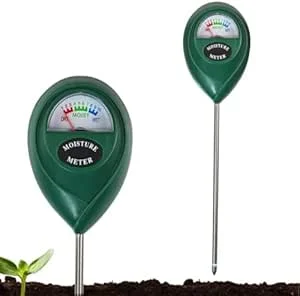 Soil moisture meterHelps check whether the root zone is actually ready for water.View on Amazon (paid link) ↗
 Digital hygrometerHelps track humidity and temperature around sensitive plants.View on Amazon (paid link) ↗Clip-on grow lightUseful for dim rooms, winter care, and plants stretching toward light.View on Amazon (paid link) ↗
As an Amazon Associate, HomePlantBot may earn from qualifying purchases.
How to Record Data and Create Simple Charts
To keep things simple, pick one plant and begin tracking one or two key metrics. For example, track DLI daily and soil moisture weekly. Over time, you’ll find a rhythm.
Basic Spreadsheet Example
| Date | DLI (mol/m²/day) | Soil Moisture (%) | Growth Notes |
|---|---|---|---|
| June 1 | 12 | 45 | New leaf appeared! |
| June 8 | 14 | 32 | +1 inch stem growth |
Use basic line or bar charts to visualize patterns. Drop in highlights like when you fertilized or moved the plant to spot connections.
Beginner Tip
You don’t need to track everything at once—start with monthly growth notes and moisture trends for one plant!
Adjusting Care Based on Real Observations
The real value of data comes when you use it to improve care. Here’s how to interpret your findings:
- Watering Decisions: If your soil dries out in five days, set a watchlist instead of watering on a fixed schedule.
- Light Adjustments: If your DLI is under 8 and your plant shows leggy growth, try moving it closer to a window or add a grow light.
- Growth Slowdowns: If your pothos stopped growing, but DLI and moisture dropped last week, there’s likely a connection worth adjusting.
Seasonal Insight Example: Snake Plant
In cooler months, a snake plant’s soil might stay moist for 2+ weeks vs. 5–7 days in summer. Use tracked moisture curves to adjust watering frequency and avoid rot.
Running Simple Experiments to Optimize Performance
Think like a mini plant scientist! Try something small, observe, and draw conclusions.
- Hypothesis: “My pothos will grow faster with 2 extra hours of light daily.”
- Action: Add a grow light plugged into a timer for 4 weeks.
- Compare: Use growth measurements and DLI data to compare before vs. after.
Make it a fun challenge—get kids or friends involved, share updates, and celebrate wins. Plants are great science partners!
Organizing your notes helps you get more out of your efforts. Start basic and build as needed. When you track light, moisture, and growth, you gain control over your plant care decisions. It’s about taking the mystery out of what your plants need and enjoying the results of your attentiveness. Plant care is both science and art. Start tracking one metric for one plant and build from there. Consider adding a calendar reminder for weekly check-ins—it’s a small effort that leads to thriving greenery. Ready to bring your plants into the data age? Learn how to integrate sensors and automation in our full guide to Smart Automated Plant Care. If the symptoms in this article match your plant, use Plant Bot or the rescue checklist before buying anything. A quick diagnosis helps you fix the actual cause, not just the most visible symptom.Popular Tools
Tips
Challenges and Limitations
Cultivating Healthier Plants Through Insight
Need help choosing the next care step?
Quick decision checklist