
HomePlantBot care guide
Monstera Moss poles & fenestration
Support structures are essential tools in houseplant care, especially for climbing species like the Monstera. These structures mimic the natural environment of climbing plants, providing the vertical architecture they need to thrive. In the wild, Monsteras are epiphytic climbers that scale trees in tropical forests, anchoring themselves with aerial roots to bark and moss.
What you’ll learn in this article
- The purpose of moss poles and support structures in Monstera care
- How to choose and install the right support for your Monstera
- How moss poles encourage fenestration (leaf splits and holes)
- Alternatives to moss poles and how they compare
- Tips to maintain your moss pole and support healthy Monstera growth
Affiliate disclosure: HomePlantBot may earn from qualifying purchases through the Amazon links below, at no extra cost to you.
Introduction to Support Structures
By introducing support structures such as moss poles indoors, we replicate this natural climbing behavior, helping your Monstera grow taller, develop larger leaves, and form the fenestrations—those spectacular splits and holes—that make them fan favorites among plant lovers.
Before diving into moss pole installation, it’s important to have your plant’s basic needs in place. Be sure to check out our Monstera Care Blueprint: Light, Water & Soil to set the right foundation for growth and fenestration.
Benefits of Moss Poles and Supports for Monsteras
- Stimulates vertical growth: Providing a pole or trellis helps the Monstera grow upwards just as it would in the wild.
- Encourages mature leaves: As the plant climbs, it gains the strength and maturity to produce those split, lobed leaves.
- Space-efficient: Vertical support reduces sprawl, making indoor Monsteras easier to manage.
- Promotes fenestration: Climbing triggers the plant’s natural instinct to develop holes and splits in leaves for optimal light and water filtration.
- Improves air circulation: Elevating leaves enhances airflow and reduces fungal issues.
Choosing the Right Moss Pole or Trellis
The type of support you choose depends on your Monstera’s size, age, and aesthetic preferences. Here’s a comparison of common support options:
| Support Type | Pros | Cons |
|---|---|---|
| Sphagnum Moss Pole | Great moisture retention, looks natural, encourages aerial root grip | Can mold if not maintained, needs misting |
| Coco Coir Pole | Eco-friendly, good absorption, natural texture | Less moisture retention than sphagnum |
| Plastic-Coated Stake | Durable, inexpensive, clean look | Doesn’t hold moisture; less effective for root gripping |
| Bamboo Trellis | Sturdy, lightweight, decorative | Best for young plants; limited vertical growth potential |
Height & Thickness
Taller poles (at least 2–3 feet) are best for mature Monsteras. Thickness should allow ample space for roots to grip and stems to be securely tied.
DIY vs. Store-Bought
DIY poles made from PVC and sphagnum moss can be cost-effective and fully customizable. Store-bought options offer convenience and a finished appearance.
Installing and Securing Support
When to Add a Moss Pole
Ideally, install a moss pole when repotting your Monstera. However, it can be added anytime with careful soil displacement to avoid root damage.
How to Install
- Choose a stable moss pole or trellis the height of the plant or taller.
- Insert the pole deep into the soil near the central stem, avoiding major roots.
- Use soft plant ties, twine, or Velcro to loosely attach Monstera stems to the pole.
- Start low and re-tie every 4–6 inches as the plant grows upward.
Extending Support Naturally
If your Monstera outgrows the existing pole, simply telescope an extension in or secure a second pole above the first using garden wire.
Helpful products for this care problem
Helpful products for this plant care problem
If this is the issue you are solving, these tools can make the next step easier. They are optional, but they match the care problem covered in this article.
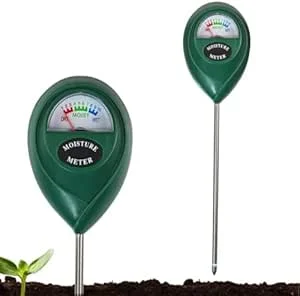 Soil moisture meterHelps check whether the root zone is actually ready for water.View on Amazon (paid link) ↗
 Digital hygrometerHelps track humidity and temperature around sensitive plants.View on Amazon (paid link) ↗Clip-on grow lightUseful for dim rooms, winter care, and plants stretching toward light.View on Amazon (paid link) ↗
As an Amazon Associate, HomePlantBot may earn from qualifying purchases.
Encouraging Fenestration and Growth
Understanding Fenestration
Fenestration refers to the iconic splits and holes in Monstera leaves. These features help the plant maximize light filtration and withstand strong tropical winds. Fenestration typically occurs as the plant matures and receives ideal growing conditions.
Conditions to Support Fenestration
- Light: Bright indirect sunlight is key. A few hours of filtered morning sun can help.
- Humidity: Maintaining humidity above 60% mimics the plant’s tropical origins.
- Nutrients: Fertilize regularly during growing season with a balanced liquid fertilizer.
Climbing Spurs Leaf Development
Attaching your Monstera to a moss pole encourages it to climb, which is a developmental trigger for larger leaves and fenestrations. As aerial roots find their grip, the plant “believes” it’s maturing—resulting in split-leaf growth.
Additional Tips
- Prune leggy stems to focus energy on active growth points.
- Be patient—fenestration can take months to appear, especially for younger plants.
Alternatives to Moss Poles
While moss poles are popular, they aren’t the only option. Here are a few alternatives:
| Alternative | Use Case | Pros | Cons |
|---|---|---|---|
| Bamboo Stakes | Young Monsteras needing minor support | Cheap, easy to install | Limited height, no root attachment |
| Metal Trellis | Decorative indoor climbing | Stylish, durable | Non-absorbent, less natural |
| Wall-Mounted Systems | Large Monstera or vertical gardens | Space-saving, modern | Installation is complex |
Air Layering
You can guide aerial roots to soil or moss poles to develop new growth nodes and control leggy stems. This is useful in propagation or training large plants.
Trailing vs. Climbing
It’s okay to let your Monstera trail dramatically if you’re after a cascading look. Just know that hanging Monsteras may produce smaller, unfenestrated leaves over time unless provided with climbing support.
Maintenance and Care of Moss Poles
Misting for Root Grip
Regularly mist the pole to encourage aerial roots to anchor and absorb moisture. This also promotes nutrient exchange and leaf development.
Clean & Refresh
- Wipe away dust or algae buildup monthly.
- Monitor for mold, especially in humid homes.
- Replace or refresh the moss once a year or when decomposition is visible.
Seasonal Care Tips
- In winter, reduce misting to prevent mold due to lower transpiration rates.
- Use a humidifier if indoor air is overly dry from heating systems.
Conclusion
Supporting your Monstera with a moss pole or structured trellis is one of the most effective ways to fast-track its growth, size, and fenestration. These tools replicate the plant’s natural habitat, guiding it to climb, stretch, and thrive indoors.
Remember: consistency is key. Light, water, and nutrients are just as important as structural support. Be patient—your Monstera will reward you with stunning, split leaves when the time is right.
Set yourself up for success by checking out our comprehensive Monstera Care Blueprint to understand how light, water, and soil work together to create the perfect environment for fenestration.
Got a climbing Monstera? Share your setup with us in the comments or tag us on social media. We’d love to see your jungle!
Need help choosing the next care step?
If the symptoms in this article match your plant, use Plant Bot or the rescue checklist before buying anything. A quick diagnosis helps you fix the actual cause, not just the most visible symptom.
Quick decision checklist
- Check the growing conditions before changing everything.
- Adjust one care factor at a time.
- Use symptoms to guide the next step.
- Give the plant time to respond after corrections.