
HomePlantBot care guide
pH & EC Basics for Soil and Semi‑Hydro
Growing beautiful indoor plants isn’t just about sunlight and regular watering—it’s also about managing what’s in the water. Hidden in every feeding or watering session are two critical elements that can determine your plant’s health: pH and EC (electrical conductivity).
What you’ll learn in this article
- Understand what pH and EC mean and why they matter for plant health
- Learn ideal pH ranges for soil and semi-hydro setups
- See how pH affects nutrient availability
- Discover how to measure and adjust EC and pH at home
- Get actionable tips for avoiding nutrient issues and promoting healthy plant growth
Affiliate disclosure: HomePlantBot may earn from qualifying purchases through the Amazon links below, at no extra cost to you.
Introduction
This beginner-friendly guide will walk you through the basics of pH and EC, how they apply to both soil and semi-hydroponic setups, and how you can easily monitor and control them. Whether you’re potting herbs in soil or raising aroid cuttings in LECA, understanding water chemistry unlocks your plant’s full potential.
If your plants look sick even when you’re watering and feeding them, the problem might not be how much you’re giving—but what’s in it.
What pH and EC Mean—and Why They Matter for Plants
What is pH?
pH measures how acidic or alkaline a solution is, on a scale from 0 to 14:
- pH < 7 = acidic
- pH = 7 = neutral
- pH > 7 = alkaline
The right pH ensures nutrients in the water stay available for your plant to absorb.
What is EC?
EC (electrical conductivity) tells you how many dissolved salts—aka nutrients—are present in your water or nutrient solution. It’s a way of understanding the strength of your plant’s food.
You’ll also see TDS (total dissolved solids), which is a related metric. While EC measures electrical resistance, TDS estimates concentration in parts per million (ppm). Many EC meters display both.
Why These Matter
pH affects how well your plant can absorb individual nutrients. EC tells you how much food your plant is receiving. Together, they’re essential to healthy growth.
Recommended pH Ranges for Soil and Inert Media Setups
| Growing Medium | Target pH Range |
|---|---|
| Soil | 6.0–7.0 |
| Semi-hydro (LECA, perlite, rockwool) | 5.5–6.5 |
Staying in these ranges helps your plant avoid nutrient deficiencies caused by pH lockout. If pH drifts too far out of range, your plant may not be able to absorb key minerals, no matter how much you feed it.
How pH Affects Nutrient Availability
Each essential nutrient—like nitrogen, potassium, and iron—has a pH window for optimal uptake. When pH is too high or low, these nutrients become unavailable to the roots, even if they’re present in the water.
For example, iron becomes less available above pH 6.5 in semi-hydro setups. This can lead to chlorosis (yellowing leaves), even if you’re feeding regularly.
For more on the science behind nutrient absorption and water quality, check out our full guide: Water Quality & Plant Nutrition Science.
Measuring EC/TDS to Understand Fertiliser Strength
Measuring EC gives you insight into how much nutrient is currently in the water. This is key to avoiding underfeeding and overfeeding.
| Growth Stage / Setup | Recommended EC (mS/cm) |
|---|---|
| Seedlings / Cuttings | 0.5 – 1.2 |
| Soil (Vegging Phase) | 1.0 – 2.0 |
| Semi-hydro (Leafy Greens) | 1.2 – 2.4 |
Too high EC = salt buildup and nutrient burn (brown leaf tips).
Too low EC = deficiencies and slow growth.
Measure EC before and after watering (especially in soil) to see how much your plant is actually taking in.
Helpful products for this care problem
Helpful products for soil and repotting
If this is the issue you are solving, these tools can make the next step easier. They are optional, but they match the care problem covered in this article.
 Indoor potting mixA useful base when refreshing compacted or tired soil.View on Amazon (paid link) ↗Repotting matKeeps indoor repotting and root checks cleaner.View on Amazon (paid link) ↗
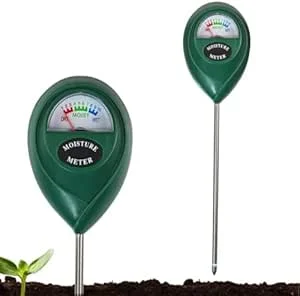 Soil moisture meterHelps check whether the root zone is actually ready for water.View on Amazon (paid link) ↗
As an Amazon Associate, HomePlantBot may earn from qualifying purchases.
Tools for Testing pH and EC at Home
pH Testing Tools
- Digital pH meters: Accurate but require calibration. Ideal for semi-hydro growers.
- pH test drops or paper strips: Affordable and easy, but less precise.
EC/TDS Measuring Tools
- Digital EC/TDS pens: Essential for nutrient solution monitoring in semi-hydro setups.
Tips for Accurate Readings
- Always calibrate your digital meters with proper buffer solutions.
- Rinse probes with distilled water before and after each use to extend lifespan.
Adjusting pH—Using What You Have or Store-Bought Supplies
To Raise pH (If Too Acidic)
- Baking soda: Gentle and easily available
- Potassium carbonate: For more stable increases
To Lower pH (If Too Alkaline)
- White vinegar or citric acid: Common household acids, fine for soil
- Phosphoric acid or pH Down: Better suited to semi-hydro or recirculating systems
Adjust in small increments. Test again after each change. When in doubt, let your water sit out for 12–24 hours to dechlorinate and stabilize before adding adjustments.
Using EC Readings to Dial in Feeding Strength and Prevent Fertilizer Burn
- Start with a lower EC and build up as the plant matures.
- In soil, monitor the runoff EC—high runoff can mean salt buildup.
- In semi-hydro, flush containers periodically if EC starts climbing too high.
- Avoid the urge to overcorrect yellowing by dumping in more nutrients—this can worsen the problem!
Tracking Changes Over Time & Adjusting Accordingly
Consistency and data go a long way. Use a simple journal or spreadsheet to track:
- pH and EC readings at each watering
- Room temperature and humidity
- Visible changes in growth or coloring
Patterns appear with time and make troubleshooting easy—like realizing your tap water is too alkaline or your EC is creeping up week over week. Remember, perfection isn’t necessary—consistency is king.
Conclusion: Supporting a Healthy Chemical Environment for Thriving Plants
To recap: controlling pH and EC is one of the easiest and most powerful ways to support lush, healthy growth—whether you’re working with traditional soil or trying out semi-hydro in LECA.
You don’t need expensive tools or complicated schedules—just a basic understanding, consistent tracking, and the willingness to experiment and learn from your plants.
Ready to level up your indoor growing game?
Learn more about water quality and plant nutrition science →
Optional Quick Reference Cheatsheet
| Condition | Ideal pH | Ideal EC |
|---|---|---|
| Soil | 6.0–7.0 | 1.0–2.0 mS/cm (veg phase) |
| Semi-hydro | 5.5–6.5 | 1.2–2.4 mS/cm (leafy plants) |
| Seedlings | 6.0–6.5 | 0.5–1.2 mS/cm |
Common Symptoms and Causes
- Yellow leaves → pH too high (iron lockout), EC too low (underfeeding)
- Brown leaf tips → EC too high (fertilizer burn)
- Slow growth → pH out of range, nutrient lockout
Quick Fixes
- Raise pH: Baking soda, potassium carbonate
- Lower pH: Vinegar, citric acid, phosphoric acid
Need help choosing the next care step?
If the symptoms in this article match your plant, use Plant Bot or the rescue checklist before buying anything. A quick diagnosis helps you fix the actual cause, not just the most visible symptom.
Quick decision checklist
- Refresh compacted mix before roots decline.
- Choose a pot size that matches the root ball.
- Check moisture deeper than the surface.
- Stabilize the plant after repotting before fertilizing.