
HomePlantBot care guide
The Anatomy Glossary: Leaves, Stems, Nodes & Growth Forms
If you’ve ever wondered where your pothos puts out new leaves or how to tell if a stem is healthy, learning the basic language of plant anatomy can be a game-changer. Whether you’re selecting the perfect spot for your houseplant or troubleshooting yellowing foliage, recognizing the different parts of a plant gives you valuable insight into how it grows—and how to help it thrive.
What you’ll learn in this article
- Understand key plant anatomy terms like node, petiole, and rosette
- Gain confidence in identifying and describing your houseplants
- Learn how anatomy knowledge supports better plant care and propagation
- Discover real-world examples of leaves, stems, and growth forms in action
- Use visual tools and diagrams to reinforce learning
Affiliate disclosure: HomePlantBot may earn from qualifying purchases through the Amazon links below, at no extra cost to you.
Introduction: Why Plant Anatomy Matters
Understanding plant anatomy also makes identification easier and empowers you to discuss your green companions with clarity and confidence. This beginner-friendly glossary will guide you through essential terms like nodes, petioles, rosettes, and more, complete with real-world examples to help you connect the vocabulary to what you’re seeing in your own home.
For a helpful visual companion, check out our guide: Plant Identification Visual Guides.
I. Benefits of Learning Basic Plant Anatomy for Care and Identification
- Track plant health: Spot where new leaves grow or identify damaged sections early.
- Communicate clearly: Describe issues or attributes accurately in forums or with plant sellers.
- Make confident care decisions: Knowing where to cut or repot can prevent stress and promote growth.
- Identify species: Match plant traits to reference keys or ID apps more easily.
II. Leaf Terminology: Simple vs. Compound, Pinnate, Palmate and Lobed
Leaves are key indicators for identifying and caring for plants. But not all leaves are created equal! Let’s break down the types and terms you’re most likely to see.
Leaf vs. Leaflet
A simple leaf is a single, undivided blade. A compound leaf has multiple leaflets attached to the same petiole.
| Leaf Type | Description | Example |
|---|---|---|
| Simple | One leaf per petiole | Fiddle Leaf Fig |
| Compound | Multiple leaflets from one petiole | Umbrella Plant (Schefflera) |
Common Leaf Structures
- Pinnate: Leaflets arranged like a feather along a single axis (e.g., Parlor Palm).
- Palmate: Leaflets or lobes radiate from a central point (e.g., Schefflera).
Leaf Margins
- Lobed: Leaves with deep, rounded indentations (e.g., Monstera deliciosa).
- Toothed: Edges with small pointy projections (e.g., Strawberry Begonia).
- Entire: Smooth, unbroken edges (e.g., Snake Plant).
Tip: Look closely at your houseplants—Philodendrons often have lobed leaves, while a ZZ plant has smooth-edged compound leaves.
III. Stems and Petioles: Internodes, Rhizomes and Specialized Structures
The stem is the main structural axis that supports the plant, while a petiole connects a leaf blade to the stem.
Internodes
Internodes are the sections of stem between two nodes. Plants with longer internodes tend to look leggier, while shorter internodes produce a fuller appearance.
Specialized Stems
- Rhizomes: Underground horizontal stems used for storage and propagation (e.g., ZZ Plant).
- Stolons (runners): Above-ground stems that produce baby plants (e.g., Spider Plant).
- Tubers: Swollen stems used for nutrient storage (e.g., certain types of Begonia).
Some stems grow hidden from view. If your plant seems to sprout from the soil without a visible stem, you might be looking at a rhizomatous or rosette-form plant.
IV. Understanding Nodes, Buds and How Plants Branch
A node is a crucial part of plant anatomy. It’s where leaves, buds, and roots originate. Identifying nodes helps when propagating, pruning, or observing growth.
Recognizing Buds
- Axillary buds: Found at the junction between the stem and petiole, these can produce branches or flowers.
- Terminal buds: Located at the stem’s tip, responsible for vertical growth.
Propagation Tip
Always cut just below a node when making a stem cutting for propagation to ensure new root development. This is especially true for vining plants like Pothos or Philodendron.
Helpful products for this care problem
Helpful products for this plant care problem
If this is the issue you are solving, these tools can make the next step easier. They are optional, but they match the care problem covered in this article.
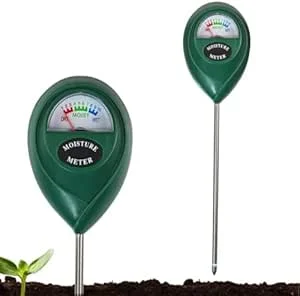 Soil moisture meterHelps check whether the root zone is actually ready for water.View on Amazon (paid link) ↗
 Digital hygrometerHelps track humidity and temperature around sensitive plants.View on Amazon (paid link) ↗Clip-on grow lightUseful for dim rooms, winter care, and plants stretching toward light.View on Amazon (paid link) ↗
As an Amazon Associate, HomePlantBot may earn from qualifying purchases.
V. Recognizing Growth Forms Like Rosettes, Vines, Shrubs and Epiphytes
Growth form describes the overall shape and growth pattern of a plant. Understanding it helps tailor your care routine to your plant’s natural tendencies.
| Growth Form | Description | Examples |
|---|---|---|
| Rosette | Circular arrangement of leaves close to the ground | Succulents, Bromeliads |
| Vine | Trailing or climbing growth with long stems | Pothos, Hoya, Philodendron |
| Shrub-like | Compact, bushy growth habit | Jade Plant |
| Epiphyte | Grows on other plants, not in soil | Orchids, Staghorn Ferns |
Care Tips: Vines may need support or regular pruning, while rosettes prefer minimal disturbance and excellent drainage.
VI. Overview of Common Houseplant Flower and Inflorescence Types
Flowers might seem rare indoors, but many houseplants bloom with the right conditions. Knowing basic flower anatomy and inflorescence types can help you support blooming.
Basic Flower Parts
- Petals: The colorful part that attracts pollinators.
- Sepals: Protective outer layer before the flower opens.
- Stamens & Pistil: Reproductive structures.
Common Inflorescence Types in Houseplants
- Spadix and Spathe: A spike-like flower with a surrounding bract. Found in Peace Lilies and Anthuriums.
- Panicle: A branched cluster of flowers, typical in Orchids.
- Spike: Unbranched flower cluster (e.g., Snake Plant).
Why It Matters: Flowering plants often require adjusted care—more light or specific nutrients—to bloom successfully indoors.
VII. Applying Anatomical Terms When Discussing Plants with Others
Using accurate plant anatomy words makes descriptions more useful and precise. Here’s how it helps:
- Forums: Say “the node is turning brown” rather than “part of the stem looks bad.”
- Reading tags: Understand terms like “palmate leaves” or “rhizomatous growth.”
- Shopping: Ask for “a trailing plant with aerial roots” instead of just “a vine.”
Practice by describing your own plants out loud or jotting notes in a plant journal. You’ll be amazed how quickly the terminology begins to click!
VIII. Using Diagrams to Visualize and Remember New Vocabulary
Visual aids are powerful learning tools for plant anatomy. Try these methods:
- Sketch your plants: Label the petiole, leaf blade, and node to reinforce your learning.
- Use visual guides: Our annotated illustrations at /plant-identification-visual-guides can help solidify terms with color-coded diagrams.
- Apps and books: Many beginner guides include labeled plant diagrams—great for learning on-the-go.
- Printable glossary: Keep a reference sheet nearby as you water or prune.
Conclusion: Expand Your Plant Knowledge, One Term at a Time
Learning the parts of a plant doesn’t just make you feel more plant-savvy—it equips you with skills that lead to healthier, happier houseplants. From identifying nodes to recognizing rosettes, every new word adds clarity to what you see and do for your green companions.
Next time you look at your favorite plant, take a closer look. How many of these terms can you spot in action?
For more anatomy visuals and ID tools, visit our visual identification guide.
Need help choosing the next care step?
If the symptoms in this article match your plant, use Plant Bot or the rescue checklist before buying anything. A quick diagnosis helps you fix the actual cause, not just the most visible symptom.
Quick decision checklist
- Check the growing conditions before changing everything.
- Adjust one care factor at a time.
- Use symptoms to guide the next step.
- Give the plant time to respond after corrections.