
HomePlantBot care guide
Preventing Tip‑Over: Staking & Anchoring Methods
Large indoor plants like fiddle leaf figs, rubber trees, or monsteras are beautiful and dramatic additions to any room—but their impressive size can make them unstable. A toppled plant isn’t just messy; it can damage your home and pose safety risks. In this guide, we’ll explore practical, beginner-friendly staking and anchoring techniques to help your indoor jungle thrive securely.
What you’ll learn in this article
- Understand the risks of top-heavy indoor plants tipping over
- Choose containers and potting mixes that improve stability
- Use stakes, moss poles, and cages to keep plants upright
- Anchor large pots discreetly with weights or tie-downs
- Enhance stability with heavy decorative planters
- Use trellises and wall supports for climbing or trunk-heavy plants
- Prune strategically to maintain plant balance and health
- Monitor and adapt support systems as your plant grows
Affiliate disclosure: HomePlantBot may earn from qualifying purchases through the Amazon links below, at no extra cost to you.
Understanding the Dangers of Top‑Heavy Plants Falling Over
Tall or fast-growing plants, especially indoor trees and vining types, often develop a top-heavy shape. As they grow vertically or outward, their center of gravity shifts, making them prone to tipping even with minor disturbances.
- Common culprits include plants like fiddle leaf figs, rubber trees, monsteras, and climbing varieties like pothos or philodendrons. For more options, visit our guide to large indoor statement plants.
- Movements like watering, cleaning nearby, or a breeze from a fan can unsettle these plants.
- Potential consequences include:
- Broken or cracked decorative planters
- Spilled soil damaging floors or rugs
- Scratched hardwood or tile surfaces
- Safety hazards for children and pets
Selecting Sturdy Containers and Using Heavy Potting Mixes
One of the simplest methods to prevent tip-over is starting with a stable foundation—your pot and soil. A sturdy container and heavier mix lower the plant’s center of gravity and reduce wobbliness.
Choose the Right Pot
- Select wide-bottom pots for a broader base of support.
- Opt for materials like ceramic or concrete over lightweight plastic.
- Look for pots with weighted bottoms or internal ballast materials.
Improve the Potting Mix
- Standard mixes for large plants can be too airy—add vermiculite or fine gravel.
- Use mineral-rich, slightly denser soil for greater weight and moisture control.
Repotting every 1–2 years helps prevent toppling due to rootbound plants or disproportionate container sizes.
Adding Stakes, Moss Poles, or Cages for Vertical Support
Adding internal supports helps guide plant growth and adds structure. As your plant stretches toward the ceiling, stakes and poles offer the strength it needs.
Support Options
| Support Type | Best For |
|---|---|
| Wooden Stakes | Fiddle leaf figs, dracaenas |
| Moss Poles | Climbing monsteras, philodendrons |
| Tomato Cages | Full, branching foliage like schefflera |
How to Install Plant Supports
- Insert the stake along the pot’s edge to avoid root damage.
- Use twist ties, plant velcro, or soft twine to gently secure the stem.
- Avoid pulling too tightly—leave room for natural movement and growth.
Anchoring Pots with Weights or Tie‑Downs to the Floor or Furniture
For especially large or accident-prone plants, external anchoring adds an extra layer of protection. These methods are ideal near pets, children, or high-traffic home offices.
Anchoring Ideas
- Floor Anchors: Use furniture-style anchors or command-strip brackets under the planter.
- Tie-Downs: Connect the pot edge discreetly to heavy furniture using elastic plant tethers.
- Weighted Bases: Hide sandbags or patio weights inside decorative baskets or beneath pot risers.
Aesthetic Tips
- Use stylish woven hideaway baskets or concrete planters to mask visible tie-downs.
- Choose decorative floor stands with built-in weight compartments.
Helpful products for this care problem
Helpful products for this plant care problem
If this is the issue you are solving, these tools can make the next step easier. They are optional, but they match the care problem covered in this article.
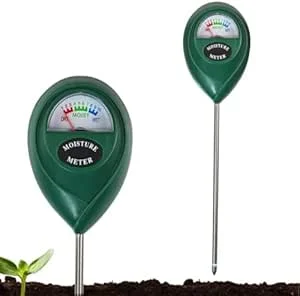 Soil moisture meterHelps check whether the root zone is actually ready for water.View on Amazon (paid link) ↗
 Digital hygrometerHelps track humidity and temperature around sensitive plants.View on Amazon (paid link) ↗Clip-on grow lightUseful for dim rooms, winter care, and plants stretching toward light.View on Amazon (paid link) ↗
As an Amazon Associate, HomePlantBot may earn from qualifying purchases.
Using Heavy Decorative Containers to Lower the Centre of Gravity
This clever two-pot method increases stability while allowing easy plant maintenance.
How It Works
- Place your plant in a lightweight nursery pot with drainage holes.
- Set that pot inside a heavier ceramic, resin, or concrete planter.
- Surround the base with decorative stones or weights if needed.
This method provides heft and balance while making repotting and watering easier. The visual appeal remains polished while concealed elements add function.
Securing Vines or Trunks to Trellises or Wall Anchors
Climbing and vining plants like monstera adansonii and pothos benefit from vertical guidance. Adding structural support ensures that upward or sideways growth doesn’t destabilize your setup.
Use Trellises for Trailing Plants
- Install wooden or metal trellises along walls or in the pot.
- Gently attach vines using soft clips or velcro tapes.
Use Wall Anchors for Strong Vertical Trunks
- Mount discreet hooks or adjustable straps behind the plant.
- Secure the main trunk using padded loops or fabric ties.
DIY trellises can be built using lattice panels, bamboo frames, or even repurposed room dividers for both form and function.
Pruning to Reduce Excess Weight and Improve Balance
Strategic pruning stabilizes your plant by reducing overhead weight and improving light penetration for better growth form.
Pruning Tips
- Focus on removing top-heavy branches or overcrowded stems.
- Use clean, sharp shears to avoid disease introduction.
- Trim for symmetrical shape to maintain even weight balance.
Many indoor plants return strong after a springtime or mid-growing season prune. Don’t prune heavily in winter dormancy months.
Monitoring Stability and Adjusting Supports as the Plant Grows
Plants are dynamic: as they mature, they get taller, heavier, and often shift in soil. Regular check-ins ensure they remain stable over time.
Ongoing Maintenance Tips
- Inspect weekly for signs of leaning, tilting, or loose anchors.
- Check the tightness of ties and unclog drainage holes.
- Reanchor or repot if the plant becomes root-bound and top-heavy again.
Signs Your Plant Might Need More Support
| Sign | What To Do |
|---|---|
| Leaning significantly | Add a stake or adjust existing support |
| Soil pulling away from pot edge | Repot in a wider container |
| Roots visible above soil | Consider anchoring or pruning |
Keeping Your Plant Healthy, Safe, and Upright
Whether you’re new to houseplants or a seasoned plant lover, securing your leafy giants is part of growing responsibly. From picking the right pot to anchoring them safely, your attention keeps both your plants and your home protected.
With these beginner-friendly methods—from staking and trellising to anchoring and pruning—you can grow bold greenery that’s as safe as it is stunning.
- Explore your favorite plant’s growth habits
- Secure it with the right support and anchoring style
- Keep it thriving with routine checks and occasional pruning
Ready to take your plant care to the next level? Download our free Plant Stability Checklist to track your anchoring, pruning, and potting habits and keep your green companions safe year-round.
📄 Download the Plant Stability Checklist
Need help choosing the next care step?
If the symptoms in this article match your plant, use Plant Bot or the rescue checklist before buying anything. A quick diagnosis helps you fix the actual cause, not just the most visible symptom.
Quick decision checklist
- Check the growing conditions before changing everything.
- Adjust one care factor at a time.
- Use symptoms to guide the next step.
- Give the plant time to respond after corrections.