
HomePlantBot care guide
Philodendrons Rare philodendrons
Philodendrons have long captivated indoor plant enthusiasts with their lush foliage, easygoing nature, and striking variety. While many common types like Philodendron hederaceum and Philodendron ‘Birkin’ are widely available, a group of particularly rare philodendrons has become the crown jewel for serious collectors.
What you’ll learn in this article
- What defines a rare philodendron and why collectors seek them
- Profiles of six rare philodendron species, with care tips
- Specialized care requirements for rare plants
- Ethical sourcing and conservation regulations
- Acclimating new plants and pest prevention protocols
- Propagation techniques and collecting strategies
Affiliate disclosure: HomePlantBot may earn from qualifying purchases through the Amazon links below, at no extra cost to you.
Introduction to Rare Varieties
But what exactly makes a philodendron “rare”? In the world of horticulture and plant collecting, rarity is often defined by:
- Limited natural distribution or endemic habitats
- Sporadic or small-scale cultivation
- Unique traits such as variegation, unusual leaf shapes, or coloring
These characteristics often lead to high demand among enthusiasts who value the visual impact and botanical significance of rare specimens. However, they also come with unique challenges in sourcing and care.
Before diving deep, it’s helpful to understand broader care categories. Explore our Philodendrons Care Playbook: Vining vs. Climbing Types to learn how growing habits influence your setup and maintenance routine.
Overview of Notable Rare Species
Below are six standout rare philodendrons that every serious collector should know—each with distinctive morphology, growing needs, and mystique:
Philodendron Spiritus Sancti
Nicknamed the “Holy Grail” of philodendrons, Spiritus Sancti features slender, pendant-shaped leaves and is endemic to a single location in Brazil. With only a handful of wild specimens left, it’s frequently sold only as a cutting or lab-grown tissue culture.
Philodendron Plowmanii
This species is known for its deeply textured, “quilted” foliage and creeping growth form. Plowmanii prefers high humidity and dappled light, and can develop massive leaves in ideal conditions.
Philodendron El Choco Red
Originating from Chocó, Colombia, this philodendron is beloved for its velvet-textured green top surface and vivid red undersides. El Choco Red requires careful humidity control and indirect light to thrive.
Philodendron Billietiae Variegated
The variegated form of Philodendron Billietiae combines elongated heart-shaped foliage with marbled coloring and distinctive orange petioles. It’s extremely rare and fetches high prices among private collectors.
Philodendron Joepii
Recognized by its deeply lobed and uniquely shaped leaves, Joepii has a cartoonish appearance and slow growth rate. It’s a conversation starter for any collection.
Comparison Table
| Species | Leaf Features | Rarity Level | Care Notes |
|---|---|---|---|
| Spiritus Sancti | Long pendulous leaves, dark green | Extremely rare | Very high humidity, protected environment |
| Plowmanii | Puckered, leathery texture | Rare | Humidity around 70%, low light |
| El Choco Red | Velvet top, red underside | Rare | Humidity 60-80%, indirect light |
| Billietiae Variegated | Bright variegation, orange stems | Extremely rare | Stable light, filtered sun |
| Joepii | Abstract, lobed leaf shape | Rare | Moderate humidity, stable temps |
Special Care Requirements
Caring for rare philodendrons means creating a highly stable and supportive environment:
Environmental Needs
- Maintain humidity between 60–80% via humidifiers or pebble trays
- Provide bright, indirect light—avoid direct sun which can burn delicate leaves
- Keep temperatures steady, ideally between 65°F and 80°F
Potting and Medium
Use a chunky, well-draining mix such as:
- Orchid bark
- Perlite or pumice
- Sphagnum moss
- A small amount of indoor potting soil
Structural Support
Climbing and vining types benefit from moss poles, trellises, or lattice structures to mimic their natural growth and encourage leaf maturity.
Pest Management
Rare philodendrons are especially susceptible to spider mites and thrips. Implement preventive care:
- Inspect weekly
- Isolate at first sign of pests
- Use neem oil or insecticidal soap when needed
Consistency is Key
Rare plants respond poorly to sudden changes. Keep their care routine consistent, track your watering schedule, and avoid letting substrates fully dry out or stay soggy.
Helpful products for this care problem
Helpful products for this plant care problem
If this is the issue you are solving, these tools can make the next step easier. They are optional, but they match the care problem covered in this article.
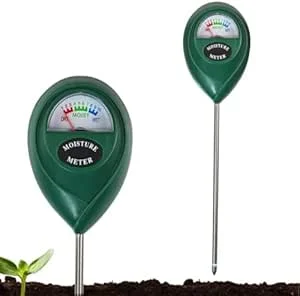 Soil moisture meterHelps check whether the root zone is actually ready for water.View on Amazon (paid link) ↗
 Digital hygrometerHelps track humidity and temperature around sensitive plants.View on Amazon (paid link) ↗Clip-on grow lightUseful for dim rooms, winter care, and plants stretching toward light.View on Amazon (paid link) ↗
As an Amazon Associate, HomePlantBot may earn from qualifying purchases.
Sourcing and Ethical Considerations
Where to Find
- Specialty online nurseries with lab-grown stock
- Domestic rare plant sellers and greenhouses
- Plant collectors’ forums and swap groups
Red Flags When Buying Online
- Too-good-to-be-true pricing
- Stock photos or mislabeled species
- No return or live-arrival policy
Legal & Conservation Aspects
Many rare species are protected under CITES (Convention on International Trade in Endangered Species). Always verify that sellers are compliant. Avoid purchasing wild-harvested plants, which can damage native populations.
Support Ethical Sellers
Look for sellers who:
- Openly discuss species origins
- Use tissue culture or verified propagation
- Provide legal documentation for imports and exports
Acclimating and Quarantine
Acclimation Tips
Upon arrival, slowly adjust your plant to ambient light and humidity. Change conditions gradually over a few days to avoid shock.
Quarantine Protocol
- Isolate new arrivals in a separate location for 2–4 weeks
- Use sticky traps to check for hidden pests
- Inspect leaves and stems every few days for mites, scale, or fungi
Addressing Stress Signs
- Wilting: Check for root rot or dehydration
- Browning edges: Adjust humidity or watering
- Yellowing leaves: Evaluate light exposure or nutrient imbalance
Track Changes
Use a journal or digital tracker to log growth milestones, symptoms, and acclimation progress. This helps you isolate problems early and replicate success.
Propagation and Collecting
Popular Methods
- Node Cuttings: Most common, especially with vining types
- Air Layering: Ideal for mature stems
- Tissue Culture: For advanced growers or sellers
Prevent Rot During Propagation
- Use sterile tools
- Keep humidity balanced (not overly wet)
- Ensure cuttings include growth nodes
Organized Collecting
Label each plant by species, origin, and acquisition date. Digital databases or logs can help you track rare varieties, especially during propagation experiments.
Sharing Responsibly
If you trade or sell your propagated plants, always disclose the exact cultivar, parentage, and whether it’s tissue-cultured or seed-grown.
Conclusion
Rare philodendrons are a rewarding pursuit for those willing to commit to their challenges. From their stunning appearances to the thrill of sourcing them ethically, these plants make a memorable impact in any home jungle.
Remember: the key to success is consistency, research, and responsible collecting. Want to improve your care setup? Don’t miss our full guide on Philodendron Care: Vining vs. Climbing Types for more details based on growth behavior.
Have a story or tip about your favorite rare philodendron? Share it with the community in the comments or tag your plant photos with #RarePhilodendronClub on social media!
Checklist: Before Buying a Rare Philodendron
- Verify the plant ID and see real seller photos
- Read reviews or seller ratings
- Confirm ethical propagation or documentation
- Ensure the plant meets your climate and care capability
- Be prepared with quarantine space
Need help choosing the next care step?
If the symptoms in this article match your plant, use Plant Bot or the rescue checklist before buying anything. A quick diagnosis helps you fix the actual cause, not just the most visible symptom.
Quick decision checklist
- Check the growing conditions before changing everything.
- Adjust one care factor at a time.
- Use symptoms to guide the next step.
- Give the plant time to respond after corrections.