
HomePlantBot care guide
How to Identify an Unknown Houseplant (A Simple Flowchart)
Take clear photos of the whole plant, both leaf surfaces, leaf arrangement, stem junctions and any flowers, with scale.
What evidence helps identify an unknown houseplant?
Take clear photos of the whole plant, both leaf surfaces, leaf arrangement, stem junctions and any flowers, with scale. Use these traits to form a shortlist and cross-check an authoritative botanical profile. A photo app or broad growth habit offers a candidate, not confirmation of identity, edibility or pet safety.
What you’ll learn in this article
- Learn how to confidently identify an unknown houseplant at home
- Discover key traits to observe, from leaf shape to growth style
- Use a structured flowchart to simplify plant ID for beginners
- Find out how apps, visual key charts, and communities can help
- Start identifying plants using step-by-step guidance
Affiliate disclosure: HomePlantBot may earn from qualifying purchases through the Amazon links below, at no extra cost to you.
Introduction
You brought home a beautiful new houseplant, but there’s just one problem—you have no idea what it’s called or how to care for it. Sound familiar?
No matter where your mystery plant came from—a plant swap, gifted cutting, or nursery sale rack—knowing what it is can make all the difference. Accurate identification helps you give the right amount of water, sunlight, and nutrients, and tells you whether it could be toxic to pets or children.
That’s where a simple flowchart comes in. Instead of trying to browse endless plant photo galleries or guess based on vague descriptions, you can use a structured, step-by-step method designed just for beginners.
We’ve laid out a clear process for how to identify an unknown houseplant (a simple flowchart), using observations you can make at home. See our full visual key charts for even more tools to build your plant identification confidence.
The Value of Using a Structured Flowchart for Plant ID
- A trait-based process narrows candidates; some plants cannot be confirmed from vegetative photographs alone.
- Beginner-friendly: It breaks plant traits into simple language and digestible steps.
- Better plant care: Identifying your plant helps match it with correct care habits.
- Reusable method: Learn it once and apply it to future plant mysteries!
Step 1: Identify the Plant’s Growth Habit
Start by examining your plant’s overall shape and structure. The way a plant grows can be a fast clue to help narrow down its identity.
Common Growth Habit Types
| Type | Description | Examples |
|---|---|---|
| Vining | Plants with trailing stems that climb or cascade | Pothos, Heartleaf Philodendron |
| Rosette | Leaves arranged in a circular cluster near soil level | Bromeliads, Echeveria |
| Upright or Tree-like | Single or branched stems with leaves at the top | Fiddle Leaf Fig, Rubber Plant |
| Succulent | Fleshy leaves or stems, stores water | Aloe, Jade Plant |
Tip: Watch how your plant rests or grows indoors. Does it trail down or climb a support? Does it stand upright or form a low rosette?
Step 2: Describe the Leaves—Shape, Size, Variegation, and Texture
Leaves offer critical identifiers. Here’s what to look for:
- Shape: Are they round, lance-shaped, heart-shaped, or lobed?
- Size: Are they large and showy (like Monstera) or compact?
- Arrangement: Do leaves grow opposite each other or alternate?
- Color/Variegation: Are they solid green, striped, marbled, or spotted?
- Texture: Are they fuzzy, smooth, leathery, or waxy?
Leaf Comparison Example
| Plant | Leaf Shape | Leaf Texture |
|---|---|---|
| Snake Plant | Long, sword-shaped | Firm, fleshy, and upright |
| ZZ Plant | Ovular, paired along stem | Glossy and smooth |
Step 3: Examine the Stems, Petioles, and Any Aerial Roots
Don’t skip the parts that connect leaves and roots:
- Stems: Are they woody or soft? Thick or slender? Upright or trailing?
- Petioles (leaf stalks): Are they long or very short? Directly connect leaf to stem?
- Aerial roots: Tube-like roots visible above the soil, often in vines and orchids.
Clues like these help distinguish between look-alike vines or tree-like plants.
Helpful products for this care problem
Helpful products for this plant care problem
If this is the issue you are solving, these tools can make the next step easier. They are optional, but they match the care problem covered in this article.
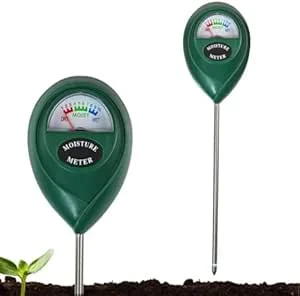 Soil moisture meterHelps check whether the root zone is actually ready for water.View on Amazon (paid link) ↗
 Digital hygrometerHelps track humidity and temperature around sensitive plants.View on Amazon (paid link) ↗Clip-on grow lightUseful for dim rooms, winter care, and plants stretching toward light.View on Amazon (paid link) ↗
As an Amazon Associate, HomePlantBot may earn from qualifying purchases.
Step 4: Note Flowers or Fruits (If Present)
If your plant is flowering or fruiting, take detailed notes:
- Flower color, shape, and size—white and fragrant? Bold and tropical?
- Bloom pattern: Seasonal or random? Clustered or singular flowers?
- Fruits: Small pods or citrus-style fruit may indicate specific genera.
Reminder: Most plants don’t flower indoors reliably, so this step is optional!
Step 5: Compare Findings with Plant Identification Keys or Apps
Now that you’ve gathered traits, try matching them using digital or printed tools.
Helpful Tools to Try
- for candidate identification; verify the result with diagnostic traits and an authoritative botanical source before using a care or safety label.
- Visual key charts: Match traits by leaf type, growth habits, and other features.
- Books or printed keys: Houseplant encyclopedias with thumbnails can be helpful too.
Pro Tip: Apps aren’t perfect. Always cross-check results against images and care details from trusted sources.
Step 6: Narrow Down to Likely Genus and Species
This suggests a shortlist, not a confirmed species. Compare juvenile and mature traits and similar genera before accepting
- Review multiple plant images online
- Use the flowchart again to double-check traits
- Post a description to forums and online groups for crowd-sourced help
Example
This suggests a shortlist, not a confirmed species. Compare juvenile and mature traits and similar genera before accepting
Visual Tool: Sketch or Use a Flowchart to Visualize the Decision Path
The observation sequence above is a starting checklist. A downloadable or illustrated flowchart should be linked only when that artifact actually exists and has been checked.
- Each step prompts choices: growth style → leaf shape → texture → etc.
- Use it again and again for any new plants
- Download our beginner plant ID flowchart—free!
Conclusion: Consult Experts or Forums if Still Uncertain
Still stumped? You’re not alone. Even seasoned gardeners face tricky IDs from time to time.
Try posting clear photos and trait descriptions to online communities such as:
- Reddit r/houseplants
- Facebook Plant ID groups
- Ask staff at local garden centers or nurseries
Every mystery solved makes you a more confident plant parent. Keep going, and soon, you’ll be able to ID plants like a pro!
Bonus: Practical Tips for Caring for Your Newly Identified Plant
Once you know what your plant is, give it the care it deserves:
- Look up its ideal lighting, water frequency, and soil preferences
- Note any toxicity warnings for pets or young children
- Keep a plant journal to track its growth, changes, and care routines
Want a care guide shortlist? We’re working on a new article: “Quick Care Guide for Top 10 Most Common Houseplants.” Stay tuned!
Share Your Plant ID Journey!
Have a plant mystery you’ve solved (or still puzzling over)? Leave a comment or tag your photos using our social handles. We’d love to see your discoveries!
Want more tips on indoor plant care and fun tools like this one?
Subscribe now for our latest how-to guides and printables!
Need help choosing the next care step?
If the symptoms in this article match your plant, use Plant Bot or the rescue checklist before buying anything. A quick diagnosis helps you fix the actual cause, not just the most visible symptom.
Quick decision checklist
- Check the growing conditions before changing everything.
- Adjust one care factor at a time.
- Use symptoms to guide the next step.
- Give the plant time to respond after corrections.
Sources for these corrections
These references support the identified care and evidence limits; they do not establish a universal formula, timetable or product endorsement.