
HomePlantBot care guide
Troubleshooting Leggy Herbs & Powdery Mildew
Growing fresh herbs indoors or on a sunny kitchen windowsill brings flavor to your cooking and life to your space. Whether you’re tending basil, parsley, or mint, healthy herbs are not only better tasting—they’re also more resilient to pests and disease.
What you’ll learn in this article
- How to identify leggy herbs and what causes them
- Simple pruning and light techniques to strengthen weak herb plants
- Methods to recognize and treat powdery mildew on indoor herbs
- Smart watering and spacing strategies to prevent fungal issues
- How to improve airflow and set up a resilient indoor herb garden
Affiliate disclosure: HomePlantBot may earn from qualifying purchases through the Amazon links below, at no extra cost to you.
Introduction
But if your herbs are looking tall, floppy, or are getting coated in white dust, you’re not alone. Two of the most common beginner struggles are leggy herb plants and powdery mildew.
In this guide, we’ll walk you through troubleshooting leggy herbs & powdery mildew, offering practical fixes to help your indoor garden thrive.
Identifying Why Herbs Become Leggy and Weak
“Leggy” is a term gardeners use when herb plants grow tall with long, weak stems and sparse leaves. It’s typically a sign that the plant is stretching in search of better conditions.
Common Causes of Legginess
- Insufficient light: Herbs stretch toward sunlight if they aren’t getting enough.
- Lack of pruning: Without regular pinching, herbs grow tall instead of branching out.
- Overcrowding: Competing for space can lead to thinner, weaker growth.
- Too much fertilizer: Especially nitrogen-heavy blends can promote rapid, spindly growth.
Examples include basil reaching toward the window or parsley flopping over its pot’s edge.
Fixing Legginess with Light and Regular Pinching
Improve Light Exposure
- Place herbs near a south- or west-facing window for direct sunlight.
- Use a small LED grow light to supplement light in dim environments.
Pinching and Pruning Techniques
Pinch herbs using scissors or fingers just above a leaf pair. This sends a signal to the plant to branch out—leading to bushier and stronger growth.
| When to Pinch | How It Helps |
|---|---|
| Once plant has at least 3 sets of leaves | Encourages dense, compact shape |
| Early morning when plants are dry | Reduces chance of disease spread via cuts |
Encourage Strong Stems with Airflow
- Open a window near your herbs daily
- Use a small fan set on low to mimic natural airflow
For ideas on optimizing your herb setup, check out our guide to indoor edible windowsills.
Preventing and Recognizing Powdery Mildew
Powdery mildew appears as a white, powdery coating on herb leaves and stems. It usually forms first on the lower foliage and thrives in stagnant, humid conditions.
What Increases the Risk of Mildew?
- High humidity and poor household ventilation
- Overcrowding of plants leading to poor airflow
- Water left on leaves overnight
Early detection is key—catching the problem when there are just a few spots gives you the best chance to reverse it.
Helpful products for this care problem
Helpful products for this plant care problem
If this is the issue you are solving, these tools can make the next step easier. They are optional, but they match the care problem covered in this article.
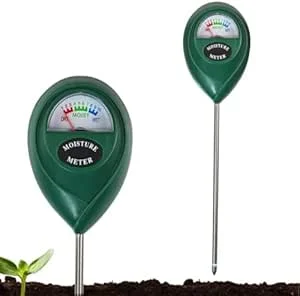 Soil moisture meterHelps check whether the root zone is actually ready for water.View on Amazon (paid link) ↗
 Digital hygrometerHelps track humidity and temperature around sensitive plants.View on Amazon (paid link) ↗Clip-on grow lightUseful for dim rooms, winter care, and plants stretching toward light.View on Amazon (paid link) ↗
As an Amazon Associate, HomePlantBot may earn from qualifying purchases.
Treating Mildew with Safe Sprays and Pruning
Immediate Actions
- Remove affected leaves right away—don’t compost them
- Isolate the infected plant if sharing a shelf with others
Safe DIY Treatments
These natural remedies are gentle and safe to use on edible herbs:
| Solution | How to Use |
|---|---|
| Milk Spray (1 part milk to 2 parts water) | Spray lightly on affected areas in morning sun, 2-3 times per week |
| Neem Oil | Follow bottle directions; spray evening to avoid leaf burn |
| Potassium Bicarbonate Spray | Useful for halting mild outbreaks |
Tip: Avoid chemical fungicides unless they’re labeled safe for use on edible plants.
Ensuring Good Airflow and Proper Spacing
Still, stagnant air is a breeding ground for mildew. Improve flow with a few easy tweaks:
- Leave space between pots—don’t cluster them
- Rotate plants weekly for even light and air exposure
- Use plant risers or open shelving to lift pots off flat surfaces
Airflow Chart
| Problem | Airflow Fix |
|---|---|
| White dust on leaves | Use a fan & isolate affected plant |
| Floppy, leaning stems | Rotate pot + window breeze or fan |
Smart Watering Strategies to Prevent Fungal Problems
How & When to Water
- Water at the soil line—keep moisture off the leaves
- Use tools: spouted watering cans, squeeze bottles, and trays to manage overflow
- Check soil before watering: only water when top inch feels dry
- Water in the morning to allow foliage and surface soil to dry during daylight
Misting herbs may actually encourage mildew—avoid it if possible.
Differentiating Powdery Mildew from Other Fungal Issues
Other threats like downy mildew and fungal leaf spots can look similar. Here’s how to tell them apart:
| Fungal Issue | Appearance | Other Clues |
|---|---|---|
| Powdery Mildew | White, flour-like on top of leaves | Usually dry and spreads in patches |
| Downy Mildew | Grayish, fuzzy underside of leaves | Leaves may yellow and fall early |
| Leaf Spot Fungus | Small brown or black dots with yellow halos | Irregular spotting, often wet-looking |
If unsure, snap a photo and take it to a garden center or post to a plant care forum for a second opinion.
Conclusion: Keep Your Herbs Strong, Clean, and Compact
By adjusting light conditions, feeding carefully, pruning often, and keeping airflow high, you can resolve the most common herb-growing issues. Regular inspections and quick responses to problems like mildew make all the difference.
Not only will your herbs look better—they’ll taste better, last longer, and provide more consistent harvests too.
Ready to upgrade your setup? Explore ideas and inspiration for herb-friendly lighting and shelving at our indoor herbs guide.
Need help choosing the next care step?
If the symptoms in this article match your plant, use Plant Bot or the rescue checklist before buying anything. A quick diagnosis helps you fix the actual cause, not just the most visible symptom.
Quick decision checklist
- Check the growing conditions before changing everything.
- Adjust one care factor at a time.
- Use symptoms to guide the next step.
- Give the plant time to respond after corrections.