
HomePlantBot care guide
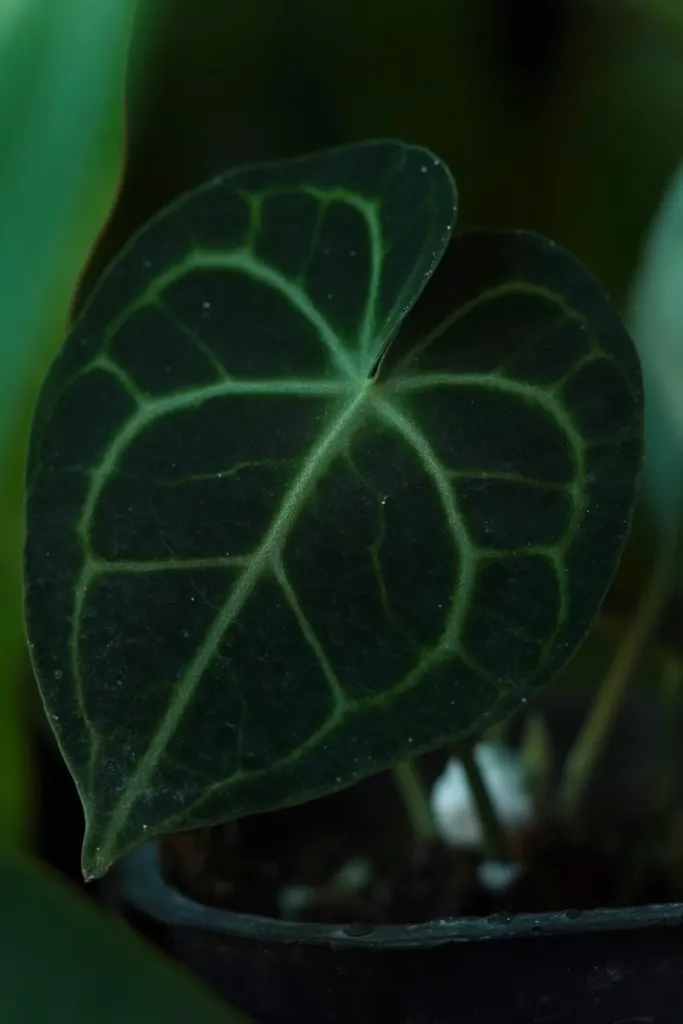
Anthuriums Crystallinum vs clarinervium ID
Use the leaf shape, sheen, and vein pattern to tell them apart quickly.
Affiliate disclosure: HomePlantBot may earn from qualifying purchases through the Amazon links below, at no extra cost to you.
Identify crystallinum vs clarinervium more easily.
Quick take
A clear comparison guide for telling two velvet anthuriums apart at a glance.
- Keep the light bright but softened.
- Water with patience and good drainage.
- Use the extra section below as the action step for this topic.
- Confidently identify the differences between Anthurium crystallinum and Anthurium clarinervium
- Understand their specific care needs
- Troubleshoot common issues and learn simple propagation techniques
- Determine which anthrium type is best suited for resale, decor, or gifting
Introduction
Velvety-leaf Anthuriums have taken the houseplant world by storm in recent years, beloved for their bold foliage and unmistakable aesthetic. Among the most sought-after are Anthurium crystallinum and Anthurium clarinervium, two species that often get confused due to their similar heart-shaped leaves and dramatic white venation.
Whether you’re a home gardener or run a boutique plant shop, being able to identify and properly care for these two beauties can make all the difference in your plant styling—or sales success. In this guide, you’ll get a complete comparison of crystallinum vs clarinervium, from appearance to propagation.
If you’re curious about how these velvet Anthuriums compare to their blooming relatives, be sure to check out our Velvet vs. Blooming Anthurium Types Care Guide.
Overview: Crystallinum vs Clarinervium
Taxonomic Background
Both Anthurium crystallinum and clarinervium belong to the Araceae family, native to regions of Central and South America. While they share a common genus and velvet textures, these species diverged to adapt to slightly different climates within tropical forest ecosystems.
Physical Differences
- Leaf Shape & Texture: Crystallinum leaves appear more elongated, almost arrowhead-like, with a thinner and more delicate texture. Clarinervium, on the other hand, has thicker, more rounded heart-shaped leaves with a firm, leathery feel.
- Veining: Crystallinum typically sports more silvery-white veins across a green-blue background. Clarinervium’s veining is bold but the contrast may be subtler, especially as the leaves mature.
- Growth Pattern & Size: Crystallinum often produces larger leaves as it matures but has a leggier growth habit. Clarinervium is more compact and predictable in shape, making it easier for indoor arrangements.
Quick ID Tips for Buyers
- Crystallinum leaves are softer and often have a slight shimmer due to their thinner cuticle.
- Clarinervium plants feel firmer and retain their shape even when dry—good for handling during shipping or sales displays.
- Check product tags, but remember they’re often mislabeled—these visual clues matter!
Helpful products for this care problem
Helpful products for this plant care problem
If this is the issue you are solving, these tools can make the next step easier. They are optional, but they match the care problem covered in this article.
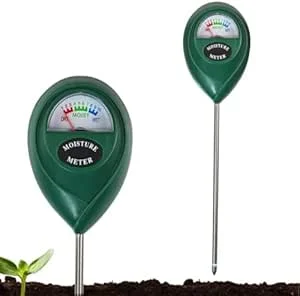 Soil moisture meterHelps check whether the root zone is actually ready for water.View on Amazon (paid link) ↗
 Digital hygrometerHelps track humidity and temperature around sensitive plants.View on Amazon (paid link) ↗Clip-on grow lightUseful for dim rooms, winter care, and plants stretching toward light.View on Amazon (paid link) ↗
As an Amazon Associate, HomePlantBot may earn from qualifying purchases.
Care Requirements (Side-by-Side)
| Care Factor | Crystallinum | Clarinervium |
|---|---|---|
| Light | Bright, filtered light; avoid direct sunlight | Bright, indirect light; tolerates medium light |
| Water | Keep soil lightly moist; sensitive to overwatering | Allow top 1-2 inches to dry between waterings |
| Humidity | Prefers 70% or higher; great for humidity cabinets | Comfortable at 60–70%; okay with typical indoor levels |
| Soil | Loose, chunky mix: orchid bark, perlite, coco coir | Similar mix; benefits from added charcoal |
| Fertilizer | Quarter-strength monthly during active growth | Low strength; feed every 6–8 weeks |
| Potting Tips | Terracotta improves breathability; ensure drainage holes | Plastic or ceramic works well; prioritize stable base |
Common Issues and Troubleshooting
- Leaf Browning or Crisping Tips: Almost always caused by low humidity or inconsistent moisture. Raise humidity using a pebble tray or humidifier to reduce stress.
- Root Rot: A threat to both species. Avoid soggy pots; use breathable soil and monitor roots quarterly. Foul smell or mushy roots are red flags.
- Pests: Mealybugs, spider mites, and scale occasionally visit. Use neem oil or insecticidal soap and isolate affected plants during treatment.
- Mislabeling: Unfortunately common. Sellers may confuse these two plant types. Look for specific leaf texture and shape instead of relying on product names.
Propagation and Resale Tips
How to Propagate Both Types
- Division: The most reliable method. Gently separate established plants at the root ball where multiple crowns exist. Water thoroughly afterward and avoid direct sun for a week.
- Node Cuttings: More advanced. Cut a stem with 1–2 aerial roots and leaf nodes. Place in sphagnum moss and keep in high humidity (prop box or dome) until rooted.
Commercial Considerations
- Labeling: Use care tags with photos and note differences for buyers’ clarity. Store them in separate zones to avoid mix-ups.
- Market Trends: Clarinervium tends to outsell crystallinum in beginner markets due to its durability. However, rare plant collectors actively seek crystallinum when in large form.
- Gift Readiness: Clarinervium’s structure makes it a more popular gift due to its symmetry and cleaner form.
Conclusion
Anthurium crystallinum and clarinervium may look similar at a glance, but close inspection reveals key differences. From leaf shape to texture, and light to humidity preferences, each species offers unique qualities to suit different homes, collections, and retail strategies.
- Clarinervium: Best choice for lower maintenance, striking visual symmetry, and gifting potential.
- Crystallinum: Ideal for collectors looking for dramatic, shimmering veins and willing to provide consistent high humidity.
Still unsure which Anthurium you have? We’d love to help—tag us on social media or reach out for plant ID support!
For more plant comparisons, don’t miss our Velvet vs. Blooming Anthuriums Guide for styling and care ideas across the genus.
ID checklist
- Compare the overall shape first.
- Look at the vein thickness and contrast.
- Check how broad or narrow the leaf blade feels.
- Use several traits together instead of one clue alone.
What to remember
Check the leaf shape, texture, and veining to identify anthurium crystallinum versus clarinervium.
Need help choosing the next care step?
If the symptoms in this article match your plant, use Plant Bot or the rescue checklist before buying anything. A quick diagnosis helps you fix the actual cause, not just the most visible symptom.
Quick decision checklist
- Check the growing conditions before changing everything.
- Adjust one care factor at a time.
- Use symptoms to guide the next step.
- Give the plant time to respond after corrections.