
HomePlantBot care guide
Water Types: Tap vs Distilled vs RO – What’s Best for Houseplants?
Watering your houseplants seems simple, but did you know that the type of water you use can significantly impact their health? Not all water is created equal—and understanding the differences between tap, distilled, reverse osmosis (RO), and rainwater can help you give your plants the best care possible.
What you’ll learn in this article
- The differences between tap, distilled, RO, and rainwater
- What substances in water can affect plant health
- How to identify which water type is best for your specific plants
- Budget-friendly tips to improve your water quality at home
Affiliate disclosure: HomePlantBot may earn from qualifying purchases through the Amazon links below, at no extra cost to you.
Introduction
In this guide, we’ll break down the most common water sources and explain which ones are ideal for different types of houseplants. You’ll also learn how to make small, cost-effective changes to your watering routine that can lead to healthier indoor greenery.
Water Sources: Tap, Distilled, RO, and Rainwater
Tap Water
Tap water is the most accessible and convenient option for many households. It comes straight from your sink, but it carries various dissolved substances that may not be ideal for all houseplants, including minerals and disinfectants.
Distilled Water
Distilled water goes through a process of heating and condensation, leaving behind minerals and contaminants. It’s ultra-pure and free of chemicals, making it a go-to option for sensitive or rare plants.
Reverse Osmosis (RO) Water
RO water is mechanically filtered by forcing tap water through a semi-permeable membrane. This process removes around 95-99% of inorganic contaminants, making it one of the purest water types available short of distillation.
Rainwater
Collected from natural rainfall, this water is untreated and generally soft, meaning low in dissolved minerals. It can be an eco-friendly and cost-free option—provided it’s collected and stored properly.
What’s in Your Tap Water?
Tap water can vary widely depending on your location and municipal treatment methods. Here’s a look at common substances and how they might affect your plants:
| Compound | Purpose | Plant Impact |
|---|---|---|
| Calcium & Magnesium | Naturally occurring hard water minerals | Can cause salt buildup, leading to crispy leaves |
| Chlorine | Kills bacteria in tap systems | May damage root systems or affect sensitive plants |
| Chloramine | Longer-lasting disinfectant alternative to chlorine | Harder to remove and potentially toxic to plants over time |
| Fluoride | Added for dental health benefits | Harmful to fluoride-sensitive plants (e.g., spider plants, dracaenas) |
Want to know more about how water components affect plant growth? Read our complete guide on water quality and plant nutrition.
Pros and Cons of Using Distilled Water
Pros
- Extremely pure: free from minerals, salts, and chemicals
- Perfect for finicky or exotic plants sensitive to impurities
- Consistent quality, regardless of location
Cons
- Lacks beneficial minerals required by some plants
- Can be costly and wasteful over time when used frequently
- May require supplemental fertilization to compensate for nutrient absence
Helpful products for this care problem
Helpful products for this plant care problem
If this is the issue you are solving, these tools can make the next step easier. They are optional, but they match the care problem covered in this article.
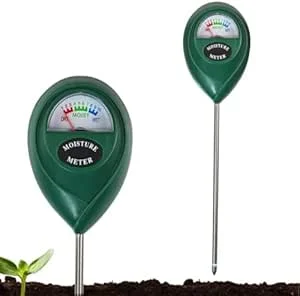 Soil moisture meterHelps check whether the root zone is actually ready for water.View on Amazon (paid link) ↗
 Digital hygrometerHelps track humidity and temperature around sensitive plants.View on Amazon (paid link) ↗Clip-on grow lightUseful for dim rooms, winter care, and plants stretching toward light.View on Amazon (paid link) ↗
As an Amazon Associate, HomePlantBot may earn from qualifying purchases.
Simple Methods to Improve Tap Water
Letting Water Stand
Allowing tap water to sit uncovered for 24–48 hours can help chlorine evaporate. However, chloramine—a more stable compound—won’t dissipate this way.
Using Carbon Filters
Installing a carbon faucet filter or using filtered water pitchers can reduce chlorine, some metals, and organic compounds. This is an affordable and convenient middle-ground option.
Boiling Water
Boiling can remove temporary hardness and drive off some chlorines, but it’s labor-intensive and not practical for routine watering.
When RO and Rainwater Are Best
Highly Sensitive Plants
Certain houseplants are more prone to damage from tap water chemicals. These include:
- Prayer Plants (Maranta)
- Calatheas
- Orchids
- Some ferns
- Carnivorous plants like Venus flytraps and pitcher plants
Benefits of RO and Rainwater
- Soft and free of harmful compounds like chlorine and fluoride
- Gentler on sensitive root systems
- Can restore vibrancy in plants suffering from leaf burn or nutrient lockout
Balancing Quality, Budget, and Convenience
| Water Type | Accessibility | Cost | Best Use |
|---|---|---|---|
| Tap Water | High | Low | Everyday use, non-sensitive plants |
| Distilled | Moderate (purchase needed) | Moderate–High | Occasional use for delicate species |
| RO Water | Requires system setup | Upfront cost, low long-term | Regular use for sensitive/high-value plants |
| Rainwater | Depends on climate & collection | Free after setup | Environment-friendly, great for most indoor plants |
Tips for Cost-Effective Solutions
- Use basic carbon filters to improve tap water
- Collect rainwater using DIY barrels during rainy seasons
- Reserve distilled or RO water for plants that need it most
Testing and Adjusting Water pH
Why pH Matters
Water that’s too acidic or alkaline can block nutrient absorption, even if you’re fertilizing regularly. Most houseplants prefer a slightly acidic pH between 5.5 and 6.5.
How to Test
- Use affordable pH test strips or digital pH meters
- Test your water monthly or when your plants show signs of stress (like yellowing leaves or stunted growth)
How to Adjust pH
- To lower pH (common with hard tap water): Add a few drops of lemon juice or vinegar per gallon
- To raise pH (common with very pure sources like RO): Add a small amount of crushed limestone or baking soda
Always adjust slowly and test again to confirm you’re within a safe range.
Conclusion: Picking the Right Water for Your Plants
Choosing the right water for your houseplants isn’t about perfection—it’s about understanding what your plants need and what’s available in your home. Tap water works for many common plants, especially with a little standing or filtering. For more sensitive species, distilled, RO, or rainwater are safer bets.
Start by understanding what’s in your tap water and observing how your plants respond. Make minor changes before investing in expensive solutions—you might be surprised at how much your plants perk up from simple tweaks!
Want to learn more about how water quality affects plant nutrition? Check out our in-depth guide here.
Need help choosing the next care step?
If the symptoms in this article match your plant, use Plant Bot or the rescue checklist before buying anything. A quick diagnosis helps you fix the actual cause, not just the most visible symptom.
Quick decision checklist
- Check the growing conditions before changing everything.
- Adjust one care factor at a time.
- Use symptoms to guide the next step.
- Give the plant time to respond after corrections.