
HomePlantBot care guide
Reusing Water: Dehumidifier, Aquarium & Rice Rinse
As sustainability becomes a growing priority in home gardening, many plant lovers are looking for ways to reduce their environmental impact—even indoors. One simple but effective shift is reusing water that would otherwise go down the drain. Whether you’re managing a leafy jungle of tropicals or caring for a few sun-loving herbs on a windowsill, rethinking water use can benefit both your plants and the planet.
What you’ll learn in this article
- Learn how to reuse water from everyday household sources to safely nourish houseplants
- Understand the benefits and limitations of condensate, aquarium, and rice rinse water
- Follow beginner-friendly safety guidelines for collecting and applying reclaimed water
- Experiment with sustainable plant care methods to reduce waste and save money
Affiliate disclosure: HomePlantBot may earn from qualifying purchases through the Amazon links below, at no extra cost to you.
Introduction: Conserving Water Through Smarter Plant Care
In this guide, we’ll cover three beginner-friendly water sources you can reclaim at home: dehumidifier condensate, aquarium water, and even the rinse water from rice or boiled vegetables. Each option offers a unique set of benefits and precautions.
Looking for more eco-friendly plant tips? Check out our full guide to sustainable, low-waste plant care.
Discovering Alternative Water Sources for Your Houseplants
Reusing household water for your indoor plants is a simple way to support sustainable living. These overlooked sources of “gray water” can both reduce your water bill and repurpose nutrients that are often lost:
- Dehumidifier condensate or A/C runoff – almost pure water, ideal for mineral-sensitive plants
- Aquarium water – nutrient-rich runoff perfect for foliage growth
- Rice or vegetable rinse water – natural mild feeds that also support soil microbes
These methods don’t replace the need for good cultural care—appropriate lighting, drainage, and attentive observation—but they can enhance your watering routine while keeping waste in check.
Harvesting Condensate from Dehumidifiers and AC Units
Condensate water is the moisture extracted from air by dehumidifiers or air conditioning units. This water is essentially distilled, making it low in minerals and usually safe for plants—particularly those that are sensitive to salt buildup or hard water content.
How to Collect It Safely
- Use the built-in bucket from your dehumidifier and empty it frequently.
- For central A/C units, you can divert the drain line into a clean container outdoors.
- Ensure collection containers are washed regularly to prevent mold and algae.
Best Plant Matches
This type of water is suitable for:
- Ferns
- Orchids
- Calatheas
- Any plant requiring distilled or rainwater
Important Safety Note
Before using condensate:
- Check that your unit has a clean filter and no copper coils, which can leach harmful metals.
- Avoid using it if the inside of your unit appears dirty or corroded.
Repurposing Nutrient-Rich Aquarium Water for Fertilizing
Water from freshwater aquariums contains tiny amounts of nitrogen in the form of nitrates from fish waste—an excellent natural fertilizer for leafy foliage plants.
How to Collect and Apply Aquarium Water
- During a routine tank cleaning, save some of the discarded water.
- Use immediately or store it for up to 2–3 days in a clean, sealed container.
- Dilute with equal parts clean water if your fish load is particularly high.
Ideal Plants for Aquarium Water
- Pothos
- Spider plants
- Peace lilies
- Herbs like mint and basil
Watch for These Conditions
- Do not use if your aquarium has salted water or medications added.
- Avoid using water from tanks with dead or unhealthy fish—bacteria might be present.
Helpful products for this care problem
Helpful products for this plant care problem
If this is the issue you are solving, these tools can make the next step easier. They are optional, but they match the care problem covered in this article.
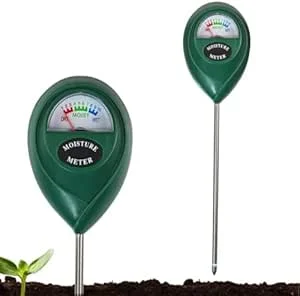 Soil moisture meterHelps check whether the root zone is actually ready for water.View on Amazon (paid link) ↗
 Digital hygrometerHelps track humidity and temperature around sensitive plants.View on Amazon (paid link) ↗Clip-on grow lightUseful for dim rooms, winter care, and plants stretching toward light.View on Amazon (paid link) ↗
As an Amazon Associate, HomePlantBot may earn from qualifying purchases.
Using Cooled Rice Rinse or Boiled Vegetable Water as a Mild Feed
Water left from rinsing uncooked rice or boiling vegetables can be surprisingly beneficial. Both offer trace nutrients that support soil life and plant health without overwhelming your greenery.
How They Help
| Water Type | Contents | Plant Impact |
|---|---|---|
| Rice Rinse Water | Starch compounds | Feeds beneficial microbes in soil |
| Boiled Veggie Water | Minerals like calcium, potassium | Supports overall plant vitality |
Guidelines for Use
- Always let water cool fully before using on plants.
- Do not use if water was salted or contains oils, fats, or butter.
- Use sparingly—about once every two weeks is sufficient.
Testing and Ensuring Reused Water Is Free from Salts and Contaminants
While reclaimed water can benefit plants, it’s also important to ensure it doesn’t carry risks. Salts, soaps, or metals may build up in soil over time, potentially harming roots.
Simple Water Quality Checks
- Look – Cloudiness may signal bacteria or food residue.
- Smell – Sour or chemical odors = do not use.
- Optional tools – pH meters and EC meters are helpful for more serious plant keepers.
When in Doubt
If you’re unsure about the safety of the water:
- Dilute with tap or filtered water at a 1:1 ratio.
- Do a test watering on a single plant before applying to your entire collection.
Avoid using: sink dishwater, laundry rinse water, or anything from water softeners—these can be toxic to plants.
Storing Reused Water Safely and Applying It Appropriately
Collected water won’t last forever. Bacteria, odors, and nutrient degradation can occur rapidly if it’s stored improperly.
Storage Best Practices
- Use clean, labeled containers for each type of reclaimed water.
- Store away from direct sunlight and heat.
- Keep lids closed to prevent bugs and bacterial contamination.
Recommended Shelf Life
- Aquarium water: Use within 2–3 days
- Rice or veg rinse: Use within 1–2 days
- Dehumidifier water: Up to a week if clean, but fresher is better
Use and Monitor
- Rotate water sources to avoid nutrient imbalance.
- Observe plant response after each use—leaf color, growth rate, and soil smell can indicate success or issues.
Knowing When Not to Use Reclaimed Water
Not all household water should find its way into your plant pots. Contaminated or improperly sourced water can do more harm than good.
Red Flags to Watch For
- Water mixed with salt, soap, detergent, or cleaning chemicals
- Anything with oil or grease from cooking
- Water of unknown origin or with questionable odors
Plants That May Be Sensitive
- Succulents and cacti
- Air plants (Tillandsia)
- Seedlings or young cuttings
- Plants in soilless or very fast-draining mixes
Seasonal Advice
During periods of plant dormancy (usually winter), reduce or avoid fertilizing with reclaimed or enriched water. Plants are not actively absorbing nutrients, increasing risk of salt buildup.
Conclusion: Small Steps Toward a More Sustainable Plant Routine
By experimenting with household sources like dehumidifier water, fish tank runoff, and rice rinse water, you can take meaningful steps toward sustainability. These alternative watering methods help save water, recycle valuable nutrients, and reduce the burden on municipal systems.
The best part? You don’t need to overhaul your routine. Start small—try one type of reclaimed water on a hardy houseplant, observe how it responds, and go from there.
For more beginner-friendly ideas on low-waste gardening, explore our full guide here.
Have you tried watering your plants with reclaimed water? Share your tips and stories in the comments, or tag us on social media with your eco-conscious successes!
Need help choosing the next care step?
If the symptoms in this article match your plant, use Plant Bot or the rescue checklist before buying anything. A quick diagnosis helps you fix the actual cause, not just the most visible symptom.
Quick decision checklist
- Check the growing conditions before changing everything.
- Adjust one care factor at a time.
- Use symptoms to guide the next step.
- Give the plant time to respond after corrections.