
HomePlantBot care guide
Snake Plant Care playbook
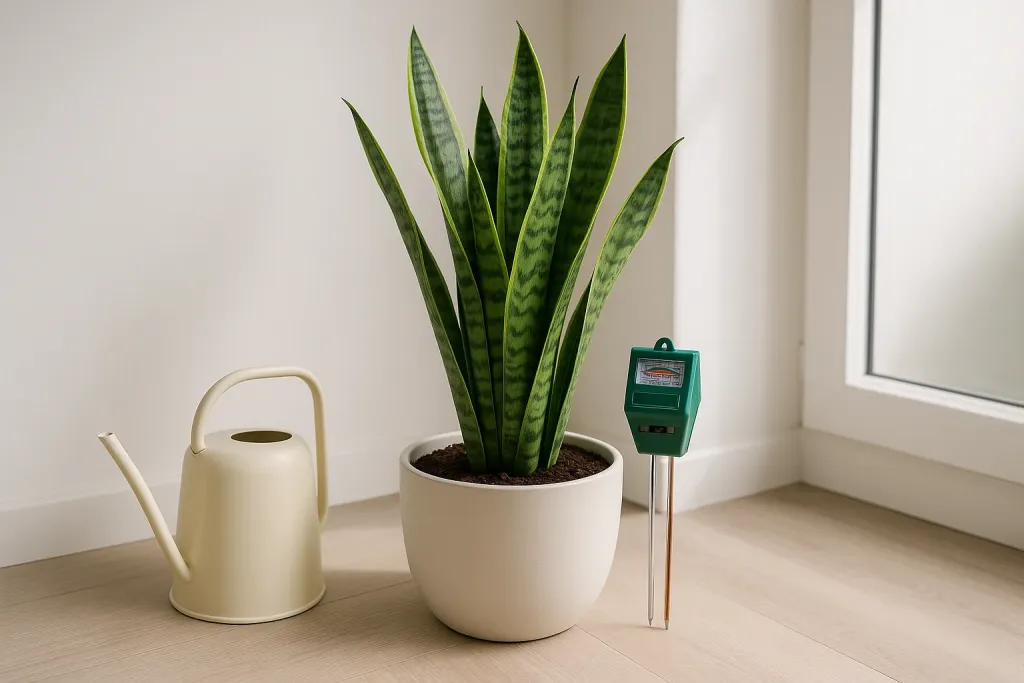
Snake plants, scientifically known as Sansevieria , are among the most resilient and visually striking houseplants you can own. With their upright, sword-like leaves and effortless charm, they’ve earned a prized place in homes, offices, and even plant shops as the ultimate low-maintenance greenery. But behind this tough exterior is a plant that thrives with just a little thoughtful attention.
What you’ll learn in this article
- Understand the essential light, soil, water, and temperature needs of snake plants
- Identify and treat common leaf and pest issues
- Master simple techniques for propagating new plants
- Learn seasonal care adjustments and fertilization tips
- Protect your plant during cold winter months
Affiliate disclosure: HomePlantBot may earn from qualifying purchases through the Amazon links below, at no extra cost to you.
Introduction
This snake plant care playbook is your go-to guide for helping Sansevieria not just survive, but thrive. Whether you’re a complete plant beginner or working on building your own indoor jungle, this detailed care resource covers everything from lighting and watering to propagation and pest control.
Snake Plant Overview
Snake plants belong to the Sansevieria genus, often referred to as Dracaena after recent reclassification. They’re commonly known as “Mother-in-Law’s Tongue” or “Saint George’s Sword”, and they originate from dry climates in West Africa and parts of Asia. These plants are built to withstand tough conditions, growing slowly and boasting an impressive lifespan—with some reaching up to 25 years when properly cared for!
There are many types of snake plants, each varying in leaf patterns, colors, and height. To explore your options, visit our Snake Plant Variety Guide.
Why do people love snake plants?
- They require minimal watering
- They tolerate temperature and light fluctuations
- They’re celebrated for improving indoor air quality by filtering toxins
Core Care Requirements (The Playbook)
A. Light
One of the biggest myths about snake plants is that they love low light. While it’s true they can survive in dim corners, they prefer bright, indirect light to grow faster and maintain vivid leaf color. South- or east-facing windows with filtered light work best.
For more lighting insights, check out our dedicated guide: Snake Plant Light Tolerance Realities.
B. Watering
These drought-tolerant plants do not like “wet feet.” Water your snake plant every 2–4 weeks depending on season and light exposure. In summer, every 2 weeks is often suitable. In winter, reduce watering to once a month.
| Condition | Watering Frequency |
|---|---|
| Bright light, warm temps | Every 2–3 weeks |
| Low light, cool temps | Every 4 weeks or less |
Signs to watch:
- Overwatering: mushy stems, yellowing leaves, root rot
- Underwatering: wrinkled or curling leaves, dry tips
C. Soil & Potting
Snake plants prefer well-draining soil, similar to cactus or succulent mixes. Always choose a pot with drainage holes, and keep the plant slightly root-bound for best growth.
Take a look at our full guide on soil and pot selection: Snake Plant Soil & Pot Choice.
D. Temperature & Humidity
The ideal temperature range is 60–85°F (15–29°C). While they tolerate heat, snake plants are sensitive to cold drafts and frost. Never leave them outdoors below 50°F, as cold exposure can damage or kill the plant.
Learn cold-weather care tips in our guide: Snake Plant Overwintering & Cold Damage.
E. Fertilizing Routine
Fertilize sparingly during the growing season (spring and summer). A balanced houseplant fertilizer, diluted to half strength, applied once a month is sufficient. Skip fertilizing in fall and winter.
F. Seasonal Shifts
Snake plants enter dormancy in colder months. During this time:
- Reduce watering frequency
- Withhold fertilizer
- Ensure temperatures stay above 55°F
Helpful products for this care problem
Helpful products for this plant care problem
If this is the issue you are solving, these tools can make the next step easier. They are optional, but they match the care problem covered in this article.
 Soil moisture meterHelps check whether the root zone is actually ready for water.View on Amazon (paid link) ↗
 Digital hygrometerHelps track humidity and temperature around sensitive plants.View on Amazon (paid link) ↗Clip-on grow lightUseful for dim rooms, winter care, and plants stretching toward light.View on Amazon (paid link) ↗
As an Amazon Associate, HomePlantBot may earn from qualifying purchases.
Common Issues and Troubleshooting
Even hardy snake plants occasionally throw curveballs. Here are common symptoms and what they might mean:
| Symptom | Likely Cause | Solution |
|---|---|---|
| Yellowing leaves | Overwatering | Let soil dry completely; check roots for rot |
| Brown or crispy edges | Underwatering or dry air | Add humidity or water slightly more |
| Soggy, mushy stems | Root rot | Repot in dry soil; trim rotten roots |
For a comprehensive breakdown of snake plant symptoms and treatments, visit our Snake Plant Problem Solver.
Pest Management
Snake plants are fairly pest-resistant but can still fall prey to fungus gnats, spider mites, or scale. Combat infestations with insecticidal soap, neem oil, or isolation tactics. Monitor leaves and topsoil during watering to catch infestations early.
Need more detailed help? See our guide: Snake Plant Pest Management.
Propagation Techniques
Snake plants are among the easiest houseplants to propagate at home. Here are the most common methods:
When to Propagate
- Best done in spring or early summer
- Only propagate healthy, disease-free stems or roots
Methods
- Division: Remove the whole plant from its pot and separate rhizomes into sections, each with roots attached. Replant each division.
- Leaf Cuttings in Soil: Cut a healthy leaf into 3-4 inch sections, allow to dry 1–2 days, then insert upright into soil.
- Leaf Cuttings in Water: Place the base of leaf segments in water and refresh every week. Roots develop in a few weeks.
Special Consideration for Variegated Plants
Variegated varieties (yellow or white-striped leaves) often lose color pattern when propagated through leaf cuttings. To preserve variegation, use the division method.
Want help with variegated types? Visit our guide: Snake Plant Variegated Propagation.
Explore full step-by-step instructions in our complete guide to Snake Plant Propagation Techniques.
Conclusion
Snake plants are the poster child for easy-care greenery, but even these sturdy housemates appreciate a proactive touch. With the right blend of lighting, watering, and occasional feeding, you can keep your Sansevieria healthy and bright for years to come.
Busy plant caretaker? No worries—this playbook’s steps are simple and adaptable. Whether you’re watering monthly in winter or dividing pups in spring, you’ve got the tools to succeed.
Explore our related resources for more depth:
- Snake Plant Variety Guide
- Snake Plant Problem Solver
- Snake Plant Pest Management
- Snake Plant Soil & Pot Choice
- Snake Plant Air Quality Benefits
Have a favorite Sansevieria type or care hack? Share it with us in the comments!
Need help choosing the next care step?
If the symptoms in this article match your plant, use Plant Bot or the rescue checklist before buying anything. A quick diagnosis helps you fix the actual cause, not just the most visible symptom.
Quick decision checklist
- Check the growing conditions before changing everything.
- Adjust one care factor at a time.
- Use symptoms to guide the next step.
- Give the plant time to respond after corrections.