
HomePlantBot care guide
Pothos vs Philodendron: How to Tell Them Apart
Pothos and philodendrons are two of the most popular and beginner-friendly houseplants available today. With their lush green leaves and easygoing nature, they’ve earned a place in homes, offices, and even dorm rooms around the world. But despite their popularity, many people still confuse the two—especially when shopping at garden centers or swapping cuttings with friends.
What you’ll learn in this article
- Understand key visual differences between pothos and philodendron plants
- Learn how to examine leaves, stems, and growth habits for accurate identification
- Get care tips based on natural habitats of each plant
- Avoid common mistakes with variegated plant labeling
- Feel confident identifying and choosing the right plant for your space
Affiliate disclosure: HomePlantBot may earn from qualifying purchases through the Amazon links below, at no extra cost to you.
Introduction
The good news? Once you know what to look for, telling them apart is actually quite easy. In this guide, you’ll learn the key differences between pothos and philodendrons based on leaf texture, stem structure, and growth habits.
Want to see side-by-side visuals of the differences? Visit our plant identification guide to make comparisons even easier.
Why People Often Mix Up Pothos and Philodendrons
At a glance, pothos (Epipremnum aureum) and heartleaf philodendron (Philodendron hederaceum) can look incredibly similar. Both have heart-shaped leaves, both vine or trail gracefully, and both thrive in similar lighting conditions.
Adding to the confusion:
- They’re often displayed side-by-side in stores with vague or incorrect labels.
- Variegated versions like Golden Pothos and Philodendron Brasil look especially alike.
- Their comparable care needs make them seem like interchangeable options.
No wonder even seasoned plant parents sometimes get them mixed up!
Comparing Leaf Texture: Waxy vs Soft
The easiest way to tell pothos and philodendron apart? Feel the leaves.
- Pothos: Thicker, waxier leaves that feel slightly bumpy or leathery. They tend to have a subtle sheen when caught in light.
- Philodendron: Thinner, softer leaves that feel more like satin or paper. These leaves have a more matte appearance.
Try this: Gently rub your fingers across the surface of the leaf. If it feels firm and glossy, it’s likely a pothos. If it feels soft and matte, you’re probably handling a philodendron.
Petiole Differences: Grooved vs Round
What’s a petiole? It’s the small stalk that connects each leaf to the plant’s vine or stem. Examining the petiole is one of the most reliable ways to distinguish between the two plants.
- Pothos: Look for a visible groove or “dimple” on the upper side of the petiole, where it meets the leaf.
- Philodendron: Petioles are round or slightly flattened but don’t have a groove.
Need a closer look? Use a smartphone photo zoomed in—or a simple magnifying glass—to inspect the petiole closely.
Helpful products for this care problem
Helpful products for this plant care problem
If this is the issue you are solving, these tools can make the next step easier. They are optional, but they match the care problem covered in this article.
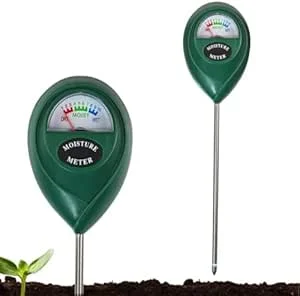 Soil moisture meterHelps check whether the root zone is actually ready for water.View on Amazon (paid link) ↗
 Digital hygrometerHelps track humidity and temperature around sensitive plants.View on Amazon (paid link) ↗Clip-on grow lightUseful for dim rooms, winter care, and plants stretching toward light.View on Amazon (paid link) ↗
As an Amazon Associate, HomePlantBot may earn from qualifying purchases.
Observing Growth Habits: Vining vs Climbing
How each plant grows can reveal a lot about its identity.
- Pothos: Tend to trail in a hanging, graceful fashion. They’re excellent for cascading over hanging baskets or shelf edges.
- Philodendron: Naturally inclined to climb, especially when given a moss pole or vertical support. They use aerial roots to grip and ascend.
Aerial Root Differences
| Feature | Pothos | Philodendron |
|---|---|---|
| Number of Aerial Roots | Fewer | More frequent |
| Root Thickness | Thicker | Thinner |
Tip: Choose pothos for high shelves and philodendrons for wall-mounted trellises or poles where they can climb freely.
Leaf Sheaths: A Key Clue for Philodendrons
This is one of the most telling signs of a true philodendron. New philodendron leaves emerge wrapped in a papery sheath, called a cataphyll. After the leaf unfolds, the sheath slowly dries out and falls off.
Pothos, on the other hand, don’t produce sheaths. Their new leaves unfurl directly from the stem, making this feature a simple and reliable ID method.
If your plant has many dried, papery sheaths along the stem—it’s definitely a philodendron!
Care Differences Influenced by Natural Habitats
Though care is similar overall, subtle differences arise from each plant’s native environment.
Native Habitats
| Plant | Natural Habitat | Effect on Care |
|---|---|---|
| Pothos | Southeast Asian tropical forests | Moderate humidity, tolerates drier spells |
| Philodendron | Central & South American rainforests | Prefers higher humidity and more consistent moisture |
Watering & Light Tips
- Pothos: Allow soil to dry slightly between waterings. More drought-tolerant.
- Philodendron: Likes moisture—water when the top inch of soil feels dry.
- Both enjoy bright, indirect light. However, philodendrons may scorch more easily in direct sun.
- Pothos will wilt dramatically when they’re thirsty, while philodendron leaf droop is subtler.
Naming Popular Variegated Cultivars Correctly
Variegation (patterns of white, cream, or yellow on green leaves) adds beauty—but also confusion!
Common Mix-Ups
- Golden Pothos (Epipremnum aureum) vs Philodendron Brasil
- Marble Queen (pothos) vs Philodendron Cream Splash
Quick ID Checklist for Variegated Forms
- Feel the leaf: thick and glossy (pothos) vs soft and matte (philodendron)
- Check the petiole: grooved (pothos) vs smooth (philodendron)
- Look for leaf sheaths: present (philodendron) vs absent (pothos)
Why does correct naming matter?
- Proper care: Some cultivars need more light to maintain variegation
- Propagation: Growth habits affect where to cut and how to root
- Resale value: Identification boosts plant credibility during exchanges or sales
Conclusion: Confidently Distinguishing the Two
Knowing how to spot the differences can turn confusion into confidence. Remember these key traits to determine whether you’re dealing with a pothos or a philodendron:
- Leaves: Waxy and glossy (pothos) vs soft and matte (philodendron)
- Petiole: Grooved (pothos) vs rounded (philodendron)
- Growth habit: Trailer (pothos) vs climber (philodendron)
- Leaf sheath: Absent (pothos) vs present (philodendron)
New to plant identification? Start practicing with your own plants or browse tagged samples online. Taking photos and cross-referencing our visual plant ID guide is a great way to get a feel for these subtle but important features.
With a little observation and experience, you’ll reach a point where you can confidently say with certainty: “That’s not a philodendron—it’s a pothos!”
Want more help with houseplant care? Check out our low-light plant checklist made for busy plant lovers.
Need help choosing the next care step?
If the symptoms in this article match your plant, use Plant Bot or the rescue checklist before buying anything. A quick diagnosis helps you fix the actual cause, not just the most visible symptom.
Quick decision checklist
- Check the growing conditions before changing everything.
- Adjust one care factor at a time.
- Use symptoms to guide the next step.
- Give the plant time to respond after corrections.