
HomePlantBot care guide
Master List: Toxic & Non‑Toxic Houseplants for Cats & Dogs
With the rising popularity of indoor plants and pet ownership, it’s no surprise that many homes are filled with leafy companions and furry family members alike. But while houseplants can brighten a room and improve air quality, they can also present hidden dangers to curious cats and dogs.
What you’ll learn in this article
- Understand which houseplants are toxic or non-toxic to cats and dogs
- Recognize symptoms of plant poisoning in pets
- Get a curated list of both harmful and safe houseplants
- Learn how to care for pet-safe plants in your home
- Identify common seasonal dangers and festive plants to avoid
- Access trusted resources and tips to create a pet-friendly indoor oasis
Affiliate disclosure: HomePlantBot may earn from qualifying purchases through the Amazon links below, at no extra cost to you.
Introduction: Why Pet-Safe Houseplants Matter
Even popular and seemingly harmless plants may pose serious health risks to your pets if ingested. As responsible pet owners, it’s essential to know which plants are safe, which are not, and how to balance a thriving indoor garden without compromising your pet’s health.
The Risks: Why Knowing Plant Toxicity Is Essential
Cats and dogs, especially young ones, instinctively nibble, chew, or claw at houseplants. While some greenery may only cause minor irritation, others can lead to severe symptoms—or worse. Common signs of plant poisoning in pets include:
- Vomiting or diarrhea
- Excessive drooling
- Tremors or seizures
- Difficulty breathing or swallowing
Emergency veterinary treatment can be highly expensive and emotionally distressing. Taking preventive action is always the safer and more economical option. For complete safety tips, visit our plant toxicity and pet safety guide.
Toxic Houseplants: Master Table of Common Culprits
The following table lists some of the most widespread toxic houseplants, what symptoms they may cause, and the toxic compounds they contain.
| Plant Name | Toxic To | Symptoms | Toxic Compound |
|---|---|---|---|
| Sago Palm | Both | Liver failure, vomiting, seizures | Cycasin |
| Peace Lily | Both | Oral irritation, drooling, difficulty swallowing | Calcium oxalate |
| Pothos (Devil’s Ivy) | Both | Stomach upset, mouth irritation | Insoluble oxalates |
| Aloe Vera | Both | Vomiting, lethargy | Saponins, anthraquinones |
| ZZ Plant | Both | Vomiting, diarrhea | Calcium oxalate |
Friendly Faces: Common Non‑Toxic Houseplants
Looking to green up your space without risking your pet’s wellbeing? These popular houseplants are considered non-toxic to cats and dogs according to veterinary sources:
- Spider Plant (Chlorophytum comosum)
- Areca Palm (Dypsis lutescens)
- Calathea (Calathea spp.)
- Prayer Plant (Maranta leuconeura)
- Peperomia (Peperomia spp.)
- African Violet (Saintpaulia spp.)
- Boston Fern (Nephrolepis exaltata)
Note: While non-toxic, overeating these plants could still cause minor digestive upset in pets. Always monitor plant access and behavior.
Helpful products for this care problem
Helpful products for this plant care problem
If this is the issue you are solving, these tools can make the next step easier. They are optional, but they match the care problem covered in this article.
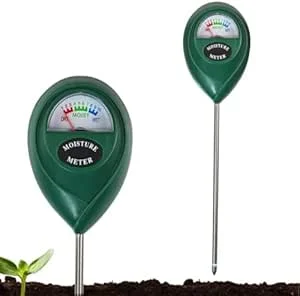 Soil moisture meterHelps check whether the root zone is actually ready for water.View on Amazon (paid link) ↗
 Digital hygrometerHelps track humidity and temperature around sensitive plants.View on Amazon (paid link) ↗Clip-on grow lightUseful for dim rooms, winter care, and plants stretching toward light.View on Amazon (paid link) ↗
As an Amazon Associate, HomePlantBot may earn from qualifying purchases.
Mild vs. Severe: How to Interpret Plant Toxicity Levels
Mild Irritants
These plants may trigger symptoms like drooling or mild vomiting but are not usually life-threatening. Examples include:
- Spider Plant — Can cause mild nausea if ingested in large amounts
- Poinsettia — Causes mild gastrointestinal discomfort
Severe Toxins
These plants contain compounds that can result in serious medical emergencies like seizures, organ failure, or death:
- Sago Palm — Known to cause liver failure in pets
- Easter Lily — Even small amounts can be fatal to cats
Keep in mind: “non-toxic” does not mean “edible.” It’s best to discourage pets from chewing any plant, toxic or not.
Easy Care Tips for Popular Pet-Safe Plants
Spider Plant
- Light: Medium indirect light
- Water: Weekly; allow soil to dry out between waterings
- Care: Very forgiving and tolerant of neglect
Calathea
- Light: Bright indirect light
- Water: Keep soil evenly moist; avoid overwatering
- Humidity: Prefers high humidity environments
Peperomia
- Light: Low to medium indirect light
- Water: When top inch of soil is dry
- Care: Slow-growing and low-maintenance
Pro Tip: Use hanging baskets or keep plants on elevated shelves to reduce accidental plant-pet interactions.
Seasonal & Holiday Plants That Pose Specific Risks
Certain times of the year bring in seasonal decorations and gifted plants that are especially dangerous to pets. Stay cautious during holidays and gifting seasons.
Common Risky Holiday Plants
- Poinsettias: Mildly toxic — can cause drooling and upset stomach if eaten
- Mistletoe: Highly toxic — known to cause vomiting and heart problems
- Easter Lily: Extremely toxic to cats — even small amounts can cause kidney failure
Safer Seasonal Alternatives
- Christmas Cactus (Schlumbergera)
- Orchids (Orchidaceae)
- Herbs like rosemary or thyme (in moderation)
Use Reliable Resources: Always Double-Check
When in doubt, refer to trusted databases. The ASPCA’s searchable plant list is a reliable place to verify whether a plant is safe for your pet.
Remember, common names can be misleading. Always confirm with the scientific name to ensure accuracy. We also invite you to explore our full guide here: /plant-toxicity-pets-safety.
Conclusion: Build Your Pet-Safe Plant Collection with Confidence
You don’t have to choose between your plants and your pets. With the right knowledge and a thoughtful selection of greenery, you can transform your living space into a lush, safe haven for everyone — paws and petals included.
Next Steps
- Audit your current plant collection for risks
- Replace toxic plants with safer alternatives
- Strategize plant placement and care to minimize pet access
Looking for more help? Sign up for our newsletter and receive a free downloadable pet-safe houseplant checklist or request a printable plant safety poster to hang in your home.
With a little preparation, you and your pets can enjoy a home filled with life, color, and peace of mind.
Need help choosing the next care step?
If the symptoms in this article match your plant, use Plant Bot or the rescue checklist before buying anything. A quick diagnosis helps you fix the actual cause, not just the most visible symptom.
Quick decision checklist
- Check the growing conditions before changing everything.
- Adjust one care factor at a time.
- Use symptoms to guide the next step.
- Give the plant time to respond after corrections.