
HomePlantBot care guide
Best Humidifiers for Plants
Choose by room conditions, cleanability and the exact model's instructions.
Measure humidity before buying a humidifier.
Choose by room conditions, cleanability and the exact model's instructions. High tropical-plant targets are not a reason to create damp room surfaces. Watch condensation, check water-change requirements and keep hot steam inaccessible.
Practical next check
Check tank access, water quality, cleaning requirements, restart behavior and actual coverage claims.
What you’ll learn in this article
- Why humidity is vital for indoor plant health
- How to identify plants that need more moisture
- Which humidity levels different plants prefer
- Types of humidifiers and key features to look for
- Tips for placement, maintenance, and DIY solutions
- Top recommended humidifiers for every space and budget
- Creative ways to boost humidity beyond machines
- Free tools and supplies guide for every plant enthusiast
Affiliate disclosure: HomePlantBot may earn from qualifying purchases through the Amazon links below, at no extra cost to you.
Introduction
If you’ve struggled to keep your houseplants thriving, you’re not alone. While light and watering get most of the attention, humidity is an equally important—but often overlooked—factor in plant health. Investing in the right humidifier can dramatically improve your indoor jungle’s growth, resilience, and appearance.
Why Humidity Matters for Houseplants
The Role of Humidity in Plant Physiology
Humidity impacts a plant’s ability to transpire, absorb nutrients, and maintain proper hydration. Low humidity causes plants to lose moisture too quickly, leading to stress and stunted growth.
Signs Your Plants Need More Humidity
- Browning or crispy leaf edges
- Drooping or wilting leaves
- Leaf drop, especially in young or tropical plants
Tropical vs. Arid-Climate Plant Needs
Species and growing setups differ; this guide does not validate one tropical-plant humidity range as an occupied-room target. EPA advises not humidifying indoor air above 50% relative humidity. Monitor room conditions and condensation rather than raising a whole room to a high plant-cabinet number. Source and further guidance
Ideal Humidity Levels for Common Houseplants
Understanding Indoor Humidity Levels
- Typical indoor range: 30–40%
- Plant needs: confirm the species and growing setup; no universal plant optimum is established here. Source and further guidance
- Occupied rooms: follow EPA moisture guidance rather than chasing an enclosed-plant target. Source and further guidance
Quick-Reference Table for Popular Houseplants
| Setting | What to check |
|---|---|
| Occupied room | Measure room humidity; do not humidify above 50% RH and reduce use if surfaces become damp or condensation develops. |
| Plant enclosure | Identify the plant, verify equipment suitability and monitor the enclosure separately; no species-wide optimum is established here. |
| Existing leaf damage | Check roots, watering, exposure and pests before attributing damage to humidity or purchasing equipment. |
How to Measure Humidity
A hygrometer is an inexpensive tool that shows the current moisture level in the air. For our trusted meter picks and setup tips, visit our Tools & Supplies resource page.
Types of Humidifiers & Key Features to Consider
Cool Mist Humidifiers
Available in ultrasonic and evaporative models, cool mist humidifiers are plant-friendly because they don’t raise room temperatures.
- Ultrasonic: Uses vibrations to mist water silently
- Evaporative: Uses a fan to distribute moisture
Warm Mist Humidifiers
Great for winter use as they warm the air slightly, but use caution with pets and delicate plants.
Choosing the Right Size
- Compact models: Ideal for desktops or small plant shelves
- Whole-room models: Better for clusters of plants or large living areas
Key Features to Look For
- Adjustable humidity levels
- Auto shut-off for safety
- Large water tank capacity for overnight runtime
- Filterless vs. filtered (maintenance level)
- Ease of cleaning and refilling
- Low noise operation for home or office use
Where to Place Your Humidifier for Maximum Benefits
- Near—but not above—plants: Misting directly above can cause leaf spotting or mold
- Group plants together: They create a shared microclimate and hold moisture better
- Avoid corners or vent areas: Airflow can diminish effectiveness
- Use humidity domes: Great for high-needs species like Calatheas and ferns
- Monitor with a hygrometer: Adjust position and settings as needed
Helpful products for this care problem
Helpful products for this plant care problem
If this is the issue you are solving, these tools can make the next step easier. They are optional, but they match the care problem covered in this article.
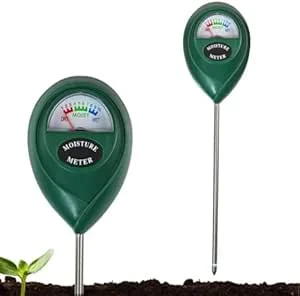 Soil moisture meterHelps check whether the root zone is actually ready for water.View on Amazon (paid link) ↗
 Digital hygrometerHelps track humidity and temperature around sensitive plants.View on Amazon (paid link) ↗Clip-on grow lightUseful for dim rooms, winter care, and plants stretching toward light.View on Amazon (paid link) ↗
As an Amazon Associate, HomePlantBot may earn from qualifying purchases.
Maintenance Tips for Long-Term Success
- Follow the manufacturer’s cleaning and water-change instructions; check regularly for buildup and avoid leaving stagnant water. Source and further guidance
- Use distilled or filtered water to reduce white dust and mineral buildup
- Check filters monthly (if applicable)
- Adjust runtime and settings seasonally
- Access cleaning checklists and recommended supplies here
Best Humidifiers for Plants: Top Picks by Category
Best Overall: Levoit Classic 300S
- Smart humidity sensor, auto-mode, quiet ultrasonic operation
- Runs up to 60 hours with a large 6L tank
- Affordable, reliable, and easy to clean
Best Budget Option: Pure Enrichment MistAire
- Compact format; verify the current price and exact variant before buying Source and further guidance
- Simple operation, 16-hour runtime
- Ideal for desks or small plant setups
Best for Large Rooms: TaoTronics Ultrasonic TT-AH046
- 6L tank for larger coverage (430 sq ft)
- Efficient mist output and quiet design
Best Smart Humidifier: Elechomes UC5501
- Confirm app connectivity for the exact model suffix; do not assume the listed UC5501 has the features of a different variant Source and further guidance
- Warm and cool mist options
- Custom plant zone automation
Best Design Aesthetic: Stadler Form Oskar Humidifier
- Minimalist look, filter-based evaporation
- Built-in aroma compartment
Best Warm Mist: Vicks Warm Mist Humidifier
- Effective during cold seasons
- Hot steam can burn; follow the appliance instructions and keep it inaccessible to children and pets. Source and further guidance
Bonus Pick: Mini USB Humidifiers
- Ideal for shelves, workstations, or small plants
- Low-cost, portable, and USB-powered
Creative Plant-Humidity Tips Beyond Humidifiers
- Pebble trays: Place plants above water-filled stones to boost local humidity
- Terrariums: Create enclosed, humid micro-environments for ferns and mosses
- Misting: Helps temporarily but may harm velvety-leaved plants
- Bathroom placement: Ideal for humidity lovers like orchids or Boston ferns
- Weekend tents: Plastic covers help revive stressed plants
Conclusion
Humidity makes a significant difference in your houseplants’ vitality—and investing in the right tools can save you from costly replacements down the line. Explore well-reviewed humidifiers, keep plants grouped for best effect, and don’t forget to monitor progress with a reliable humidity meter. For more inspiration and growing tools, check out our Tools & Supplies Guide.
Call to Action
- Get a hygrometer and assess your home’s humidity today
- Create a custom humidity care zone for your plants
- Leave a comment with your favorite humidifier or tip!
- Subscribe to our newsletter for DIY guides and expert houseplant care advice
Need help choosing the next care step?
If the symptoms in this article match your plant, use Plant Bot or the rescue checklist before buying anything. A quick diagnosis helps you fix the actual cause, not just the most visible symptom.
Quick decision checklist
- Check the growing conditions before changing everything.
- Adjust one care factor at a time.
- Use symptoms to guide the next step.
- Give the plant time to respond after corrections.