
HomePlantBot care guide
Post‑Trip Recovery: Rehydration & Sunburn Care
There’s nothing like the moment you walk through your door after a refreshing vacation… until you glance over and see your houseplants looking a little worse for wear. Even if you prepped before you left, it’s not unusual to come home to dry soil, wilted leaves, or sunburn damage.
What you’ll learn in this article
- How to inspect your houseplants for signs of stress after a trip
- Step-by-step guidance on rehydrating dry soil without shocking roots
- Tips for trimming sunburned or dead leaves safely
- How to slowly reintroduce plants to their ideal light and humidity conditions
- What to do if pests or disease appear after travel stress
- How to ease your plants back into normal watering and feeding schedules
- Ways to improve plant care planning for your next vacation
Affiliate disclosure: HomePlantBot may earn from qualifying purchases through the Amazon links below, at no extra cost to you.
The good news? With a handful of simple, beginner-friendly steps, you can help your beloved plants bounce back from post-trip stress. From hydration techniques to pruning sun-scorched leaves, we’ve got you covered. And for next time you travel, be sure to check out our guide to travel-proof plant care.
Inspecting Plants for Dryness, Wilting, or Scorch Marks
Start your plant recovery mission with a careful visual check. Take it plant by plant and look for these common signs of stress:
- Soil Dryness: Does the top inch of soil feel dusty, or has it pulled away from the pot edge?
- Wilting: Are stems or leaves drooping? Do they look limp or thinner than usual?
- Sunburn: Look for bleached, brown, or crispy patches—especially on leaves exposed to direct sunlight through windows.
Keep a plant notebook or digital note to log each plant’s condition. Some symptoms, especially those caused by dehydration or light damage, may take a few days to fully appear. Documenting now helps you track improvement later.
Slowly Rehydrating Parched Soil to Avoid Root Shock
When soil becomes very dry, it resists water. Pouring in a full watering can all at once can flood or shock the roots. Instead, rehydrate gradually to give your plant time to adjust.
Tips for Safe Rehydration:
- Use room-temperature water to avoid stressing the roots.
- Bottom-water: Set pots in a tray of water for 15–30 minutes so moisture can wick up if the soil allows.
- If top-watering, do it in small increments. Water a little, wait 5–10 minutes, then repeat until the soil is moist but not soggy.
Signs your plant is taking in water:
- Leaves begin to regain firmness
- The soil darkens evenly and feels slightly springy to the touch
Avoid using fertilizer at this stage—your plant needs hydration, not nutrition. Fertilizer can damage stressed roots. Wait until your green friend perks up before feeding again.
Trimming Away Any Sunburned or Dead Foliage
If you spot crispy or discolored leaves, it can be tempting to cut everything. But a gentle approach works best.
How to Prune Safely:
- Use sterilized scissors or pruners to prevent infection.
- Only trim leaves or stems that are fully brown or brittle.
- If part of a leaf is still green, it’s still useful for photosynthesis—consider leaving it unless it’s severely damaged.
Pruning damaged foliage allows plants to redirect their energy to healthy growth. Be patient—improvements often start underground with new root development before you see fresh leaves.
Moving Plants Back to Normal Light and Humidity Gradually
Don’t rush plants back into direct sunlight or dry indoor air immediately after stress. Rapid changes can worsen dehydration or leaf burn.
Light & Humidity Transition Tips:
- Place recovering plants in bright, indirect light for a few days.
- Avoid strong midday sun—this can worsen sunburning.
- Increase ambient humidity with a pebble tray, room humidifier, or by moving plants temporarily into a bathroom with good light and moisture.
Watch your plants’ reaction to the environment. When leaves begin to perk up, you can scoot them closer to their regular sunny spots.
Helpful products for this care problem
Helpful products for this plant care problem
If this is the issue you are solving, these tools can make the next step easier. They are optional, but they match the care problem covered in this article.
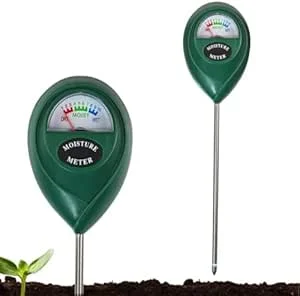 Soil moisture meterHelps check whether the root zone is actually ready for water.View on Amazon (paid link) ↗
 Digital hygrometerHelps track humidity and temperature around sensitive plants.View on Amazon (paid link) ↗Clip-on grow lightUseful for dim rooms, winter care, and plants stretching toward light.View on Amazon (paid link) ↗
As an Amazon Associate, HomePlantBot may earn from qualifying purchases.
Checking for Pest Infestations or Disease Outbreaks
Stressed plants are more vulnerable to pests and pathogens, so now’s the time to inspect up close. Catching issues early prevents bigger problems down the road.
| Issue | What to Look For | Beginner-Friendly Fix |
|---|---|---|
| Spider Mites | Webs under leaves, speckled yellow spots | Spray with neem oil or insecticidal soap every few days |
| Aphids | Clusters of small bugs on new growth | Rinse off with water; apply insecticidal soap as needed |
| Fungus Gnats | Tiny flies around the soil | Let soil dry more deeply; add sticky traps |
| Mold or Mildew | White fuzz or spots on soil or leaves | Improve airflow; remove affected parts; repot if severe |
Always wear gloves and treat one plant at a time if possible to reduce the spread of issues.
Resuming Watering and Fertilizing Schedules
As plants bounce back, it’s okay to resume your usual care routine—but with adjustments based on current needs.
Watering Tips:
- Don’t rely on a rigid weekly schedule. Your plants’ needs may have shifted post-trip.
- Instead, check soil moisture with a finger test or wooden skewer to gauge when watering is truly needed.
Fertilizing Guidelines:
- Wait until you see signs of new growth—a good signal your plant is restoring strength.
- Use a diluted dose of a balanced fertilizer (half-strength) to avoid overwhelming the roots.
In the first two weeks after a trip, monitor for symptoms of overwatering, like soggy soil or yellowing leaves. Underwatering is common, but so is the urge to overcompensate.
Reflecting on What Worked (and What Didn’t) During Your Trip
Tracking your plants’ post-trip condition isn’t just useful now—it helps future-you plan better next time.
Try Keeping a Simple Log:
- Which plants handled the time away best? Cacti and ZZ plants? Noted.
- Did your self-watering spikes work? Or did your sister overwater the pothos while sitting?
A Tip: Leave a “note to future me” checklist inside a plant journal or your calendar before each trip. Include watering reminders, products that did (or didn’t) work, and a list of plant sitters who nailed it.
Looking for long-term strategies? Read our full guide to vacation-proofing your plant routine.
Helping Plants Bounce Back After Vacation
Don’t sweat it if your plants look a little rough on your return—it happens to even the most dedicated plant owners. With gentle, consistent care, most houseplants rebound beautifully in a week or two.
Focus on recovery, not overwhelm: hydrate gradually, cut away what’s truly gone, and protect your plants as they regain strength. Then, build on what you’ve learned to create a low-stress plant care plan for future adventures.
Quick Checklist for Post-Trip Plant Rescue:
- ☐ Check for soil dryness and wilt
- ☐ Rehydrate slowly with room-temp water
- ☐ Remove dead or sunburned foliage
- ☐ Ease plants back into their favorite light spot
- ☐ Inspect for pests and mildew
- ☐ Only fertilize when new growth appears
“3 Signs Your Soil Needs Water—Without a Moisture Meter”:
- Soil feels dusty and crumbly on top and an inch down
- Soil pulls away from the edge of the pot
- Plant leaves are drooping or curling inward
What’s your go-to plant revival tip after coming back from a trip? Share your favorite recovery trick in the comments—we’d love to hear it!
Need help choosing the next care step?
If the symptoms in this article match your plant, use Plant Bot or the rescue checklist before buying anything. A quick diagnosis helps you fix the actual cause, not just the most visible symptom.
Quick decision checklist
- Check the growing conditions before changing everything.
- Adjust one care factor at a time.
- Use symptoms to guide the next step.
- Give the plant time to respond after corrections.