
HomePlantBot care guide
Peace Lily Repotting & soil mix
Peace lilies ( Spathiphyllum ) originate from tropical and subtropical regions of Central and South America. In their natural environment, they grow on the shady forest floor where the soil is consistently moist but never soggy. This habitat hints at their preference for a light, well-aerated soil with reliable moisture retention.
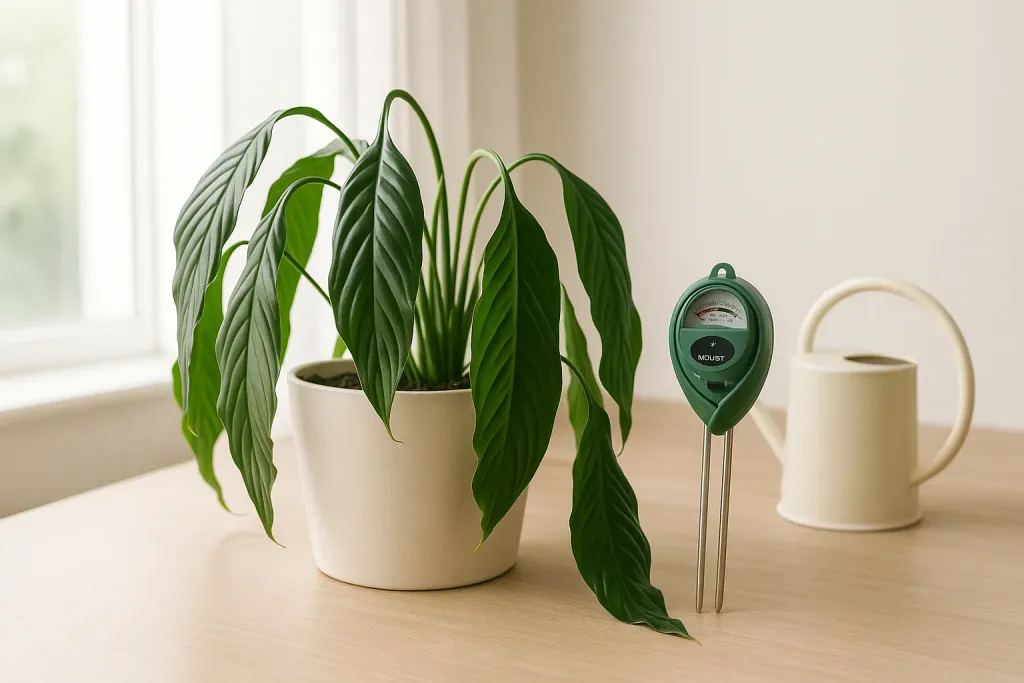
What you’ll learn in this article
- Why choosing the right soil mix helps peace lilies thrive
- What ingredients create a healthy potting medium
- How to repot a peace lily step-by-step
- How to tailor soil to your specific peace lily and environment
- Common soil and root issues to watch for—and fix
Affiliate disclosure: HomePlantBot may earn from qualifying purchases through the Amazon links below, at no extra cost to you.
Importance of the Right Soil Mix for Peace Lilies
Understanding Peace Lily’s Native Habitat
Role of Soil in Root Health and Blooms
The type of soil directly influences your peace lily’s root health and ability to bloom. A well-balanced mix maintains:
- Drainage: Prevents water from lingering around the roots
- Moisture Retention: Keeps roots hydrated between waterings
- Oxygen Access: Encourages respiratory function and healthy root development
All three elements work together to provide a medium where your peace lily can thrive and produce its signature white spathes.
Common Problems from Poor Soil Selection
- Root rot: Caused by soggy, slow-draining soil that suffocates roots
- Compacted soil: Inhibits airflow and retains too much water
- Poor flowering: Nutrient-deficient or incorrect soil restricts blooms
Key Ingredients and Proportions for Ideal Peace Lily Soil
Primary Components
Creating the perfect mix begins with high-performing base ingredients:
- Coco coir or peat moss: Helps retain moisture while maintaining softness
- Perlite or pumice: Enhances drainage and introduces oxygen pockets
- Pine bark or orchid bark: Adds chunkier structure for airflow and root support
Optional Additives
- Activated charcoal: Prevents odors and supports root health by filtering toxins
- Worm castings or compost: Supplies gentle, slow-release nutrients to fuel growth
Recommended Proportions
| Ingredient | Proportion (%) |
|---|---|
| Coco coir or peat moss | 50% |
| Perlite or pumice | 25% |
| Pine or orchid bark | 25% |
Pro Tip: Younger plants or those in drier locations may benefit from slightly more coco coir (up to 60%). Older or rootbound plants may appreciate extra bark for airflow.
Mixing and Preparing the Medium
Selecting Clean, High-Quality Materials
Always use fresh, sterilized potting components. Avoid recycled soil that could harbor pests or diseases. Choose coarse perlite and bark chunks—not dusty or compacted versions.
Step-by-Step Mixing Process
- Gather your ingredients based on the above ratio.
- In a large container or tarp, mix by hand or with a trowel until evenly blended.
- Lightly moisten the mix to eliminate dust and ease handling. The mixture should feel like a wrung-out sponge.
Prepping for Potting
- Sanitize tools: Rinse pruners and trowels in a diluted bleach solution to prevent cross-contamination.
- Use a pot with drainage: Always select containers with at least one hole at the bottom to let excess water escape.
Helpful products for this care problem
Helpful products for soil and repotting
If this is the issue you are solving, these tools can make the next step easier. They are optional, but they match the care problem covered in this article.
 Indoor potting mixA useful base when refreshing compacted or tired soil.View on Amazon (paid link) ↗Repotting matKeeps indoor repotting and root checks cleaner.View on Amazon (paid link) ↗
 Soil moisture meterHelps check whether the root zone is actually ready for water.View on Amazon (paid link) ↗
As an Amazon Associate, HomePlantBot may earn from qualifying purchases.
Adjustments for Specific Peace Lily Varieties
Compact vs. Large Varieties
- Compact types (e.g., ‘Domino’): Prefer a finer mix with slightly more moisture-retentive components.
- Larger types (‘Sensation’): Benefit from a chunkier blend with extra orchid bark to support scale and airflow.
Environmental Considerations
Your home’s humidity dramatically affects your soil mix needs:
- High humidity: Increase perlite and bark to avoid excess moisture buildup.
- Dry environments: Lean into more coco coir or sphagnum moss for water-holding capacity.
Seasonal Adjustments
In cooler, darker months, soil takes longer to dry. Consider:
- Using more aeration materials (e.g. perlite) in winter
- Watering less often, with fast-draining mixes
Repotting Using the Mix – Step-by-Step
When to Repot a Peace Lily
Plan to repot every 12–18 months or sooner if you notice:
- Roots circling the pot’s edge or growing from the drainage holes
- Water rushing straight through when watering
- Stunted growth or tipping over
Tools & Supplies Checklist
- New pot (1–2 inches wider in diameter)
- Prepared soil mix
- Gloves
- Clean pruners or scissors
Repotting Walkthrough
- Remove plant: Gently squeeze or tap the current pot to loosen the root ball.
- Loosen roots: Shake off old soil and untangle matted roots carefully. Trim off any black, mushy, or rotting roots.
- Prepare base: Add a layer of your soil mix to the bottom of the new pot.
- Position plant: Place the peace lily at the same depth it was previously growing; avoid burying too deep.
- Backfill and firm: Fill around the root ball with mix, gently pressing to stabilize the plant without compacting the soil.
- Water thoroughly: Saturate until water drains out the bottom, ensuring the medium settles appropriately.
Post-Repotting Care
After repotting:
- Place in bright, indirect light
- Avoid direct sun for a week while roots adjust
- Wait to water again until the top 1–2 inches feel dry
Troubleshooting Common Soil & Repotting Issues
Signs of Poor Drainage or Overwatering
- Yellowing leaves
- Drooping despite wet soil
- Musty or fungal odors from the soil surface
Soil Compaction Fixes
If the soil feels like a hard brick or resists absorbing water:
- Use a chopstick to aerate or “poke holes” in the soil
- Repot with a fresher mix containing more perlite or bark
Root Rot Recovery Strategy
If roots appear black or mushy when unpotted:
- Rinse roots under lukewarm water
- Prune all affected tissue with sterilized scissors
- Repot in dry, fresh soil
- Hold off watering for 5–7 days to limit further stress
Tips for Avoiding Future Problems
- Check soil aeration every few months
- Refresh or replace mix annually
- Avoid letting water sit in saucers beneath pots
Conclusion
Summary of Key Takeaways
- Peace lilies thrive in a well-balanced mix of moisture retention and aeration
- Regular repotting prevents root crowding and refreshes soil nutrients
- Customize your soil based on plant size, home environment, and seasonal changes
Next Steps for Plant Parents
Understanding your peace lily’s soil needs is the first step to long-term success. Keep an eye on growth and root signals to know when a refresh is due. For more care guidance, check out our Peace Lily Care Blueprint and Bloom Tips.
We’d Love to Hear From You
Ready to upgrade your plant’s potting routine? Share your repotting experiences in the comments—what worked and what your plant loved!
Need help choosing the next care step?
If the symptoms in this article match your plant, use Plant Bot or the rescue checklist before buying anything. A quick diagnosis helps you fix the actual cause, not just the most visible symptom.
Quick decision checklist
- Refresh compacted mix before roots decline.
- Choose a pot size that matches the root ball.
- Check moisture deeper than the surface.
- Stabilize the plant after repotting before fertilizing.