
HomePlantBot care guide
Growing Microgreens on a Countertop
Microgreens are young vegetable greens harvested just after the first true leaves develop. Despite their small size, they’re nutritional powerhouses — packed with vibrant flavor and concentrated nutrients. The best part? You don’t need a backyard or greenhouse to grow them.
What you’ll learn in this article
- How to grow fresh microgreens on your kitchen countertop
- Which seeds work best for a quick indoor harvest
- How to prepare trays, soil, and moisture levels for optimal growth
- Tips to prevent mold and ensure healthy plants
- Ways to harvest, use, and regrow microgreens sustainably
Affiliate disclosure: HomePlantBot may earn from qualifying purchases through the Amazon links below, at no extra cost to you.
Introduction: Why Microgreens Belong on Your Countertop
Countertop microgreen growing is especially ideal for beginners, apartment dwellers, and kitchen enthusiasts. With minimal supplies and a small amount of space, you can produce a continuous supply of fresh greens year-round.
Studies show microgreens can contain up to five times more nutrients than their mature counterparts. A handful of broccoli microgreens, for example, may deliver more vitamins A, C, and K than an entire head.
Want more indoor growing inspiration? Check out our guide: Indoor Herbs for Edible Windowsills.
What Microgreens Are and Why They’re Nutrient-Packed
Microgreens are often mistaken for sprouts or baby greens, but they’re uniquely grown and harvested:
| Type | Grown In | Harvest Time | Edible Part |
|---|---|---|---|
| Sprouts | Water (no soil) | 2–5 days | Seed, root, shoot |
| Microgreens | Soil or growing medium | 7–14 days | Shoot + cotyledons (sometimes true leaves) |
| Baby Greens | Soil | 15–30 days | Leaves + stem |
Top microgreen varieties include:
- Broccoli
- Radish
- Sunflower
- Peas
- Arugula
- Kale
Microgreens are rich in vitamins A, C, K, folate, polyphenols, and antioxidants. They’re also eco-friendly and incredibly fresh — snipped moments before eating, rather than sitting on store shelves for days.
Choosing Seeds Suitable for Countertop Microgreen Production
Choose seeds labeled for “microgreens” or “sprouting.” These are untreated (i.e., not coated with pesticides or fungicides) and meant for safe, edible use indoors. Look for fast growers that are compact and flavorful.
Beginner-Friendly Microgreen Seeds
- Broccoli: Mild flavor, quick-growing (7–10 days)
- Kale: Tender, slightly earthy, great for smoothies
- Radish: Spicy bite, ready in under a week
- Mustard: Peppery kick, colorful stems
- Pea Shoots: Sweet, crunchy stems (10–14 days)
You can purchase quality seeds from garden centers or online seed companies specializing in organic and non-GMO options.
Preparing Shallow Trays with a Sterile, Well-Draining Medium
Use shallow containers about 1–2 inches deep. These can be commercial seed trays, reusable plastic food containers, baking dishes, or anything with a wide surface area.
Recommended Growing Mediums
- Coconut Coir: Sustainable, retains moisture, mold-resistant
- Seed Starting Mix: Fine-textured soil blend ideal for seedlings
- Vermiculite or Perlite: Lightweight and airy but may need extra structure
Sterilize trays before use with a 1:10 vinegar or hydrogen peroxide solution to prevent bacterial growth.
Tip: Use trays with holes for drainage or place a drainage grid underneath. Excess moisture is one of the top causes of mold and rot in microgreens.
Distributing Seeds Evenly and Covering Them for Germination
Sow your seeds densely — you’re not growing full plants, just the shoots. Aim for a carpet of seeds with minimal overlap.
Sowing Tips
- Use your fingers or a spoon to sprinkle seeds evenly
- Press them gently into the medium without burying
- Use a damp paper towel, plastic dome, or inverted tray to create a humid environment
Keep covered for 2 to 5 days depending on the seed. Check daily and mist the top to maintain humidity.
Helpful products for this care problem
Helpful products for this plant care problem
If this is the issue you are solving, these tools can make the next step easier. They are optional, but they match the care problem covered in this article.
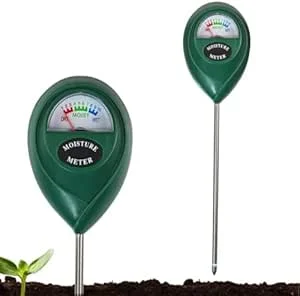 Soil moisture meterHelps check whether the root zone is actually ready for water.View on Amazon (paid link) ↗
 Digital hygrometerHelps track humidity and temperature around sensitive plants.View on Amazon (paid link) ↗Clip-on grow lightUseful for dim rooms, winter care, and plants stretching toward light.View on Amazon (paid link) ↗
As an Amazon Associate, HomePlantBot may earn from qualifying purchases.
Keeping the Medium Moist Through Misting and Bottom Watering
Moisture is critical at every stage — too little and seeds won’t germinate, too much and you risk mold.
Use a spray bottle to mist the surface lightly 2–3 times a day while covered. Once seeds sprout, shift to bottom watering by placing the tray in a shallow pan of water for a few minutes to allow wick-up through the roots.
Mold Prevention Tips
- Maintain airflow: Crack a window or use a small fan
- Avoid overwatering
- Ensure trays are sterile before reuse
Uncovering and Providing Light After Germination Begins
Once you see stems and seed leaves (cotyledons) pushing up, remove the humidity cover. Now it’s time for light!
Light Options
- Natural Light: Bright south-facing window
- Grow Lights: LED strips or panels providing 12–16 hours/day
If your greens grow tall and spindly instead of short and leafy, they’re probably “leggy” from lack of light. Move closer to the light source or add supplemental lighting.
Harvesting Microgreens with Scissors When They Reach Edible Size
Microgreens are ready to harvest when they’re about 2–3 inches tall and have visible “true leaves” — typically within 7 to 14 days.
How to Harvest
- Use clean kitchen scissors or a sharp knife
- Cut above the soil line; do not pull by roots
- Harvest in small batches to keep greens fresh longer
Pro Tip: Rinse just before use to preserve texture and flavor.
Use your microgreens in:
- Sandwiches and wraps
- Scrambled eggs and omelets
- Grain bowls or homemade sushi
- Garnishes for soups or pasta
Cleaning and Reusing Trays and Medium Responsibly
Sanitation ensures your next crop grows just as well. After harvesting:
- Remove leftover roots and compost the spent medium
- Wash trays in warm soapy water
- Sanitize with diluted hydrogen peroxide or white vinegar
Can You Reuse the Medium?
- Compost: Most used soil/coir can be added to garden compost
- Reuse: Only replant in medium if pests or mold didn’t appear
For sustainability, use durable trays and natural fiber growing mediums. Avoid single-use plastics when possible.
Conclusion: Enjoying Fresh Greens Grown Indoors
With a few supplies and a sunny counter, you can go from seed to harvest in under two weeks. Microgreens are one of the easiest entry points to indoor gardening, and they offer big rewards — flavor, nutrition, sustainability, and joy.
They’re not just cheaper than store-bought greens — they’re fresher, tastier, and more fun. Once you’ve mastered the basics, consider expanding to multitier shelves, new seed varieties, or perhaps companion growing with herbs.
Looking for your next countertop project? Don’t miss our guide to Indoor Herbs for Edible Windowsills.
Ready to turn your kitchen counter into a green oasis? Your first harvest is only two weeks away — happy growing!
Need help choosing the next care step?
If the symptoms in this article match your plant, use Plant Bot or the rescue checklist before buying anything. A quick diagnosis helps you fix the actual cause, not just the most visible symptom.
Quick decision checklist
- Check the growing conditions before changing everything.
- Adjust one care factor at a time.
- Use symptoms to guide the next step.
- Give the plant time to respond after corrections.