
HomePlantBot care guide
Pests, Diseases & Troubleshooting
Start with what you can verify: root-zone moisture, drainage, recent changes and a close inspection of leaves and stems.
What should you check before treating a plant?
Start with what you can verify: root-zone moisture, drainage, recent changes and a close inspection of leaves and stems. Similar symptoms can have different causes. Use the focused guides below after identifying the relevant clues; do not treat every spot as a disease.
What you’ll learn in this article
- Discover common pests like spider mites, mealybugs, fungus gnats, and more
- Identify and treat houseplant diseases including root rot and powdery mildew
- Recognize symptoms of stress such as yellowing leaves and drooping
- Learn the differences between overwatering and underwatering
- Explore safe plant care tips for pet- and child-friendly homes
Affiliate disclosure: HomePlantBot may earn from qualifying purchases through the Amazon links below, at no extra cost to you.
Keeping houseplants brings not only natural beauty and color into our living spaces, but its decorative appeal does not establish significant pollutant removal in ordinary rooms. Yet, healthy houseplants require more than just water and filtered sunlight. Even the most beautifully arranged indoor jungle can fall victim to hidden pests, sneaky diseases, and environmental stress.
This guide serves as your clean, dependable reference point for tackling houseplant issues—from spider mites to yellowing leaves. Whether you’re a first-time plant parent or a seasoned indoor gardener, use this page to identify, treat, and prevent common problems. Helpful links throughout will take you to in-depth resources when you’re ready to dig deeper.
I. Common Houseplant Pests
Spider Mites
These tiny arachnids are difficult to spot with the naked eye but can do significant damage. Indoor conditions that are warm and dry help spider mites thrive.
- Symptoms: Stippled or speckled leaves, fine webbing, and premature leaf drop
- Prevention: Increase humidity and use a moisture tray
- Treatment: Separate the affected plant, identify the pest and use an appropriate physical control or exact labeled indoor-plant product
Mealybugs & Scale
Mealybugs appear like fluffy white lint on stems and leaf nodes, while scale insects resemble tiny brownish bumps.
- Symptoms: Sticky leaves, stunted growth, and leaf yellowing
- Treatment: Identify the pest before treating; follow a suitable physical-control method or exact indoor-plant product label
How to get rid of mealybugs and scale
Fungus Gnats
These pesky little flies hover near the soil and are often mistaken for fruit flies.
- Symptoms: Plant wilting despite moist soil, visible gnats during watering
- Management: Confirm the breeding source, monitor adults with sticky cards and correct persistently wet conditions within the plant's moisture needs. If needed, use a Bti drench labeled for indoor plants and fungus-gnat larvae.
Control fungus gnats effectively
Aphids, Thrips, and Whiteflies
These sap-sucking insects gather on new growth and petioles, especially on herbs and flowering plants.
- Symptoms: Curling, yellowing, or mottled leaves; sticky residue; discolored petals
- Control: Separate affected plants, confirm the pest and use an appropriate physical or labeled control; no single neem treatment fits all these pests
Spot and treat aphids, thrips & whiteflies
Integrated Pest Management (IPM) for Houseplants
Think beyond pesticides. Integrated Pest Management uses a combination of cultural, biological, and chemical strategies for long-term success.
- Regularly inspect new plants before bringing them indoors
- Maintain proper humidity and cleanliness
- Choose low-toxicity treatments whenever possible
II. Common Houseplant Diseases
Root Rot
Often triggered by poor drainage or consistent overwatering, root rot is one of the top killers of indoor plants.
- Symptoms: Yellowing or mushy stems, wilting, and a sour smell in the pot
- Solution: Gently remove the plant, trim rotted roots, and repot in fresh soil with drainage
How to save a plant with root rot
Powdery Mildew
This fungal disease looks like fine white flour on leaves and stems. It thrives in crowding and poor ventilation.
- Symptoms: White or gray powdery substance on leaf surfaces
- Treatment: Improve growing conditions and confirm the cause before choosing a fungicide labeled for the identified disease and indoor plant
Bacterial Leaf Spot & Blight
High humidity and splashing water during irrigation can spread harmful bacteria across leaves.
- Symptoms: Greasy-looking dark spots surrounded by yellow halos
- Response: Remove infected foliage, clean shears with alcohol, and improve sanitation
Recognize and treat bacterial leaf blight
Viral Infections in Houseplants
Plant viruses often enter your indoor jungle through contaminated tools, infected cuttings, or pests like aphids.
- Symptoms: Distorted leaves, ring patterns, or mottled yellowing
- Advice: Separate the plant and seek a reliable diagnosis before discarding it. Mottling and distorted growth do not establish a virus by themselves.
Understand viral infections in houseplants
Disease Prevention Strategies
- Disinfect tools regularly with isopropyl alcohol
- Ensure good ventilation around plants
- Avoid overhead watering
More plant disease prevention tips
Helpful products for this care problem
Helpful products for fungal spots and leaf damage
If this is the issue you are solving, these tools can make the next step easier. They are optional, but they match the care problem covered in this article.
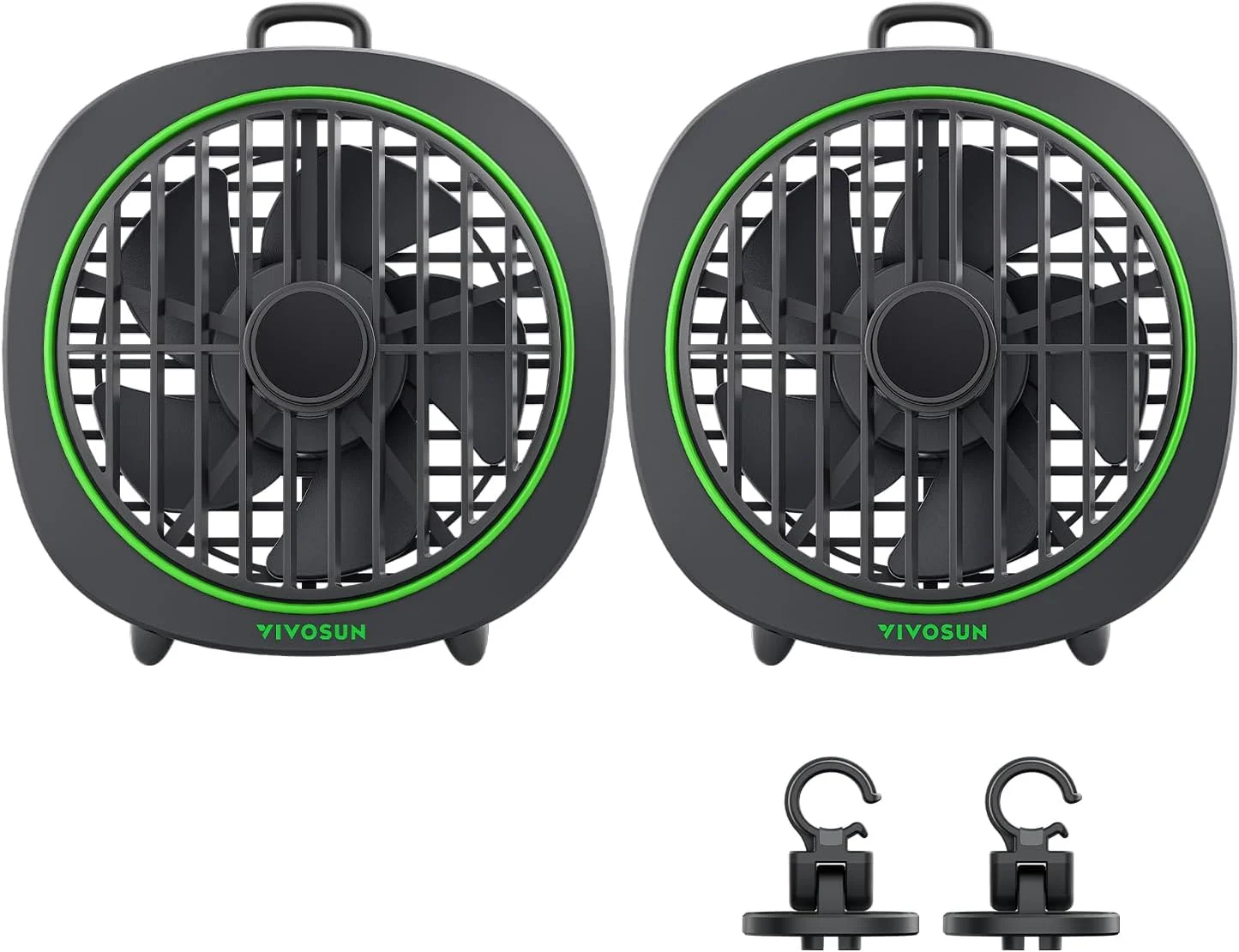 Clip fanAdds gentle airflow around humid or crowded plant shelves.View on Amazon (paid link) ↗
 Digital hygrometerHelps track humidity and temperature around sensitive plants.View on Amazon (paid link) ↗Neem oil sprayHelpful for repeated pest follow-up after cleaning leaves.View on Amazon (paid link) ↗
As an Amazon Associate, HomePlantBot may earn from qualifying purchases.
III. Environmental Stress & Troubleshooting Symptoms
Diagnosing Houseplant Problems
Plant stress doesn’t always originate from pests or disease. Think holistically and inspect your plants for lighting, watering, placement, and changes.
Yellowing Leaves
- Common Causes: Overwatering, old age, lack of nitrogen, root rot, or pest stress
Why your plant leaves are turning yellow
Brown Tips & Leaf Spots
- Possible Triggers: Dry air, fluoride toxicity from tap water, fungal or bacterial leaf spots
Treat leaf spots and brown tips
Drooping & Wilting
- Causes: Watering problems, root damage, excessive heat, or transplant shock
Overwatering vs Underwatering
| Symptom | Overwatering | Underwatering |
|---|---|---|
| Leaf Feel | Soft, mushy | Dry, crispy |
| Leaf Color | Yellowing, possibly with brown tips | Brown edges or fully dry leaves |
| Soil | Constantly wet or soggy | Dry, pulling away from pot |
| Remedy | Remove excess moisture, repot if needed | Gradually rehydrate, deep water soak |
Environmental Stress Factors
- Sudden temperature changes
- Cold drafts or heat vents
- Insufficient light or sudden relocation
General plant hazard information
General information only
General plant-safety information, not medical or veterinary advice. HomePlantBot cannot assess an exposure, diagnose poisoning or recommend treatment for a person, child or animal. Descriptions of possible effects do not predict an individual outcome.
Plant pests and diseases are a different subject from exposures involving people or animals. General plant hazard references have audience-specific limits.
Professional resources
People in the United States: Poison Help, 1-800-222-1222. Emergencies: 911.
Pets: A veterinarian or emergency veterinarian; in the United States, ASPCA Poison Control, 888-426-4435. A consultation fee may apply.
Elsewhere: The appropriate local poison, veterinary or emergency service.
Conclusion
Healthy houseplants are the reward for attentive care and observation. By spotting symptoms early and using this guide as your reference, you’ll not only prevent bigger issues—but also refine your intuition as a plant parent. Be sure to bookmark this guide, and whenever you’re stuck, our detailed resources are just a click away.
And remember: encountering issues with your plants doesn’t mean you’ve failed. Every dropped leaf and brown spot is an opportunity to learn, adapt, and grow alongside your indoor garden.
Have a specific issue you’re not sure about? Start here or leave a question in the comments—we’re here to help you keep your indoor jungle healthy and stress-free!
Need help choosing the next care step?
If the symptoms in this article match your plant, use Plant Bot or the rescue checklist before buying anything. A quick diagnosis helps you fix the actual cause, not just the most visible symptom.
Quick decision checklist
- Improve airflow before adding more moisture.
- Keep leaves dry overnight when possible.
- Remove badly damaged foliage with clean tools.
- Treat only after checking whether the cause is fungal, pest, or light stress.
Sources for these corrections
This source check supports targeted corrections and practical guidance. It does not establish a complete fact-check of every legacy claim or a plant-growth trial.