
HomePlantBot care guide
Philodendrons Climbing supports
Philodendrons are a diverse genus of tropical plants, known for their adaptability and decorative foliage. Some species, like the heartleaf philodendron ( Philodendron hederaceum ), naturally trail, while others prefer to climb and reach upward toward the light, mimicking their native habitat in the rainforest canopy.
What you’ll learn in this article
- Understand why philodendrons need climbing supports
- Recognize the benefits of moss poles, trellises, and other structures
- Learn how to choose the right support based on your plant’s needs
- Get step-by-step instructions for installing and maintaining climbing structures
- Discover how to train your philodendron for vertical growth and larger leaves
- Explore alternatives to traditional moss poles
- Know when and how to maintain and refresh your plant’s support system
Affiliate disclosure: HomePlantBot may earn from qualifying purchases through the Amazon links below, at no extra cost to you.
Introduction to Support Structures
Climbing vs. Trailing Philodendrons
Why Climbing Philodendrons Need Support
In the wild, many climbing philodendrons use aerial roots and leaf nodes to attach themselves to tree trunks and rocks. Replicating this vertical growth at home is essential for keeping these plants healthy, structured, and thriving indoors.
Natural Growth Behavior
Climbers grow vertically by sending out aerial roots from nodes along their stem. These roots latch onto natural supports and absorb moisture and nutrients from the air and surrounding surfaces. Without something to climb, these plants may sprawl uncontrolled or experience stunted growth.
Types of Support Structures
Climbing philodendrons benefit from various support types, including:
- Moss poles: Ideal for moisture retention and aerial root support
- Trellises: Great for structured or decorative vertical displays
- Stakes: Simple and effective for helping vines stand upright
Benefits of Moss Poles and Climbing Supports
- Healthier Growth: Encourages upright posture and helps plants focus energy on healthy climbing growth
- Bigger Leaves: Species like monstera or philodendron ‘splitleaf’ show more mature foliage when allowed to climb
- Aerial Root Function: Supports the plant’s natural gripping and moisture-absorbing mechanisms
- Better Aesthetics: Prevents a messy ‘sprawled’ look and helps define space in home décor
- Structural Integrity: Reduces risk of vine snapping or damage, especially for mature plants
Choosing the Right Pole or Trellis
Factors to Consider
When selecting a support, consider:
- Size & Weight: Larger plants need thicker, sturdier supports
- Growth Stage: Young plants may adapt quicker to new supports
- Climate and Humidity: Choose materials that manage water needs according to your environment
Material Comparison Table
| Material | Pros | Cons |
|---|---|---|
| Sphagnum Moss Pole | High water retention, natural appearance, easy root grip | Needs regular misting, can degrade over time |
| Coco Coir Pole | Sturdier than moss, retains moisture, root-friendly | Less soft than sphagnum, can be rough on budding roots |
| Bamboo Stake | Affordable, suitable for small/light philodendrons | Less support for heavy plants or long-term use |
| Metal/Plastic Trellis | Durable, modern decor compatibility | Not ideal for aerial root attachment |
Pole vs. Trellis
Use vertical poles for classic climbing species with upright tendencies. Flat trellises are better for directing vines in a decorative pattern or along a wall. Consider future plant size—your support should be 1.5x taller than your plant’s current height to accommodate growth.
Installing and Securing Support
When to Add Support
The best time to add a moss pole or trellis is during repotting or early in the growing season (spring/summer) when root disturbance is less impactful.
Installation Steps
- Insert your chosen support structure firmly into the center or back of the pot
- Ensure it is anchored below the root ball to avoid wobble
- Use velcro straps, twine, or gentle plant ties to attach vines
- Train the longest vine first by spiraling or guiding upward
- Position the plant so that the pole faces a window or grow light—plants naturally grow toward light and support
Safety Tips
- Never force vines; gently guide and tie to avoid damage
- Ensure the support can bear the plant’s weight and future growth
- If using a moss pole, mist regularly to keep moss moist without waterlogging the soil
Helpful products for this care problem
Helpful products for this plant care problem
If this is the issue you are solving, these tools can make the next step easier. They are optional, but they match the care problem covered in this article.
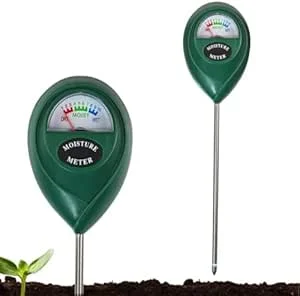 Soil moisture meterHelps check whether the root zone is actually ready for water.View on Amazon (paid link) ↗
 Digital hygrometerHelps track humidity and temperature around sensitive plants.View on Amazon (paid link) ↗Clip-on grow lightUseful for dim rooms, winter care, and plants stretching toward light.View on Amazon (paid link) ↗
As an Amazon Associate, HomePlantBot may earn from qualifying purchases.
Encouraging Fenestration and Vertical Growth
Why Support Affects Leaf Size
Certain philodendron varieties, like the monstera deliciosa, develop fenestrated (split) leaves only when given sufficient support and light. A consistent vertical surface mimics their natural environment and signals the plant to mature.
Training Tips
- Clipping: Prune leggy growth to encourage bushier growth near the pole
- Pinching: Pinch the growth tip to redirect energy and grow side shoots
- Guiding Vines: Use clips or ties to maintain upward direction
Growth Conditions
| Factor | Effect on Climbing/Vine Growth |
|---|---|
| Light | Encourages larger leaves and stronger, directed growth |
| Humidity | Supports aerial root development |
| Fertilization | Boosts overall vigor and climbing energy |
Replacing Supports as Needed
If your plant reaches the top or begins to lean, it may be time to upgrade to a taller pole or extend your current setup with a second tier.
Alternatives to Moss Poles
Creative Support Ideas
Not a fan of moss poles? No worries—explore these options:
- Wall-Mounted Grids: Great for structured vine design and decor-friendly climbing
- Bamboo Ladders or Teepees: Natural texture and multiple anchor points
- Branch Stakes: Driftwood or sanitized natural branches for a rustic vibe
- DIY Structures: Use recycled materials like wire frames or coat racks
When Not to Use a Support
If your space lacks vertical light or you prefer a trailing look from hanging baskets, support may not be necessary. Just keep vines pruned and rotated for even growth.
Maintenance and Care
Monitoring Support Health
Regularly inspect your support for:
- Moss Conditions: Dryness, rot, or mold buildup
- Pest Activity: Especially where water retention is high
- Structural Balance: Avoid toppling by anchoring or repotting into a heavier container
Re-Tying and Adjustments
As vines grow, reposition ties and add new anchor points higher up the structure. Don’t let top-heavy growth pull your plant off balance.
Repotting with Support in Place
If the pole is already integrated, carefully repot by wrapping the root ball and existing support together. Use fresh soil around the base and ensure the pole remains centered and steady.
Conclusion
Climbing philodendrons like the ‘Brazil’, ‘Micans’, or ‘Monstera’ thrive when their vertical instincts are supported. With the right climbing aid, your plant will reward you with larger leaves, healthier growth, and a neat, architectural appearance.
Not sure which philodendron to choose for climbing? Learn more about the best vining and trailing types in our full Philodendrons Care Playbook.
Have a creative climbing setup or support tip? Share it in the comments—we’d love to see how your philodendron grows!
- Straightforward plant care guides and support tips from growers and horticulturists
Need help choosing the next care step?
If the symptoms in this article match your plant, use Plant Bot or the rescue checklist before buying anything. A quick diagnosis helps you fix the actual cause, not just the most visible symptom.
Quick decision checklist
- Check the growing conditions before changing everything.
- Adjust one care factor at a time.
- Use symptoms to guide the next step.
- Give the plant time to respond after corrections.