
HomePlantBot care guide
Pothos Leaf size boosters
When it comes to pothos plants, bigger really is better. Lush, oversized leaves not only amplify the aesthetic appeal of your home or office, but they also signal a healthy, thriving plant. Known for their vining habit and easy care, pothos can develop impressively large leaves—if given the right conditions.
What you’ll learn in this article
- Understand the key environmental and care factors that boost pothos leaf size
- Learn which varieties have greater potential for larger foliage
- Discover strategic care methods like lighting adjustment, correct watering, and fertilization
- Explore advanced growth techniques including pruning, training, and propagation
- Troubleshoot common problems that limit leaf growth
Affiliate disclosure: HomePlantBot may earn from qualifying purchases through the Amazon links below, at no extra cost to you.
Introduction
In this guide, we’ll explore pothos leaf size boosters—a combination of environmental tweaks, care essentials, and strategic techniques that help your pothos reach its full leafy potential. Whether you’re a houseplant rookie or a foliage fanatic, these proven tips will elevate your indoor jungle game.
This article is tailored for apartment dwellers, green workspace stylists, and plant lovers looking to grow bigger, more vibrant pothos leaves through intentional care methods.
Overview of Pothos and Leaf Size Potential
Epipremnum aureum, more widely known as pothos, is a tropical vine native to Southeast Asia that has earned a reputation as one of the most resilient houseplants. With heart-shaped leaves and a variety of cultivars, pothos adapts well to most indoor environments.
Why does leaf size matter?
- Visual impact: Larger leaves create a bolder, more tropical look
- Air purification: Bigger surface area means more air-filtering capability
- Variety identification: Some cultivars are distinguished by potential leaf size
Different varieties exhibit different maximum leaf sizes:
| Variety | Leaf Size Potential |
|---|---|
| Golden Pothos | Up to 12 inches with proper care |
| Cebu Blue | Medium; heavily fenestrated when mature |
| Marble Queen | Smaller, variegation limits size without high light |
For more detailed care by cultivar, see our internal guide: Pothos Care Blueprint for Common Varieties.
Core Care Requirements to Maximize Leaf Size
Lighting
Pothos thrive in bright, indirect light. Insufficient lighting is one of the most common reasons leaves stay small or become widely spaced along vines.
- Bright indirect light: Near a south or east-facing window with filtered sun
- Low light limitation: Causes stunted growth and reduced leaf size
- Warning signs: Pale leaves, slow growth, stretching (etiolation)
If natural light is limited, consider a full-spectrum grow light tailored for indoor foliage plants.
Watering and Humidity
Overly dry or soggy roots can shock the plant and limit foliage production.
- Water only when the top 1–2 inches of soil are dry
- Humidity range: 50–60% or higher for optimal growth
- Methods to raise humidity:
- Pebble trays with water
- Room humidifiers
- Grouping with other plants
- Relocating to a bathroom with natural light
Nutrition
Fertilization plays a key role in growing fuller, larger leaves. Prioritize a fertilizer that leans high in nitrogen (N).
| Recommended N-P-K | Purpose |
|---|---|
| 3-1-2 or 20-10-10 | Supports robust foliage growth |
- Fertilize monthly during spring and summer
- Flush soil every 2–3 months to prevent salt buildup
- Identify deficiencies by pale or slow-growing leaves
Potting and Soil
Root space is crucial for enabling leaf expansion. Pot-bound plants tend to reduce energy to new leaves.
- Repot every 1–2 years into a slightly larger container
- Use a well-aerated potting mix:
- 40% coco coir or peat moss
- 30% perlite
- 30% compost or worm castings
Helpful products for this care problem
Helpful products for this plant care problem
If this is the issue you are solving, these tools can make the next step easier. They are optional, but they match the care problem covered in this article.
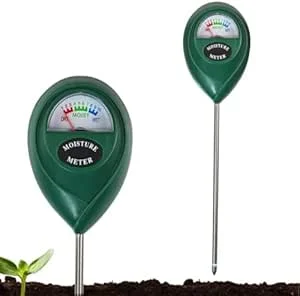 Soil moisture meterHelps check whether the root zone is actually ready for water.View on Amazon (paid link) ↗
 Digital hygrometerHelps track humidity and temperature around sensitive plants.View on Amazon (paid link) ↗Clip-on grow lightUseful for dim rooms, winter care, and plants stretching toward light.View on Amazon (paid link) ↗
As an Amazon Associate, HomePlantBot may earn from qualifying purchases.
Advanced Leaf Growth Boosters
Vine Training Techniques
Allowing your pothos to climb mimics how it grows in the wild—up trees and surfaces—which stimulates larger leaf development.
- Use moss poles or trellises for vertical training
- Secure nodes to supports to engage aerial roots
- Boosts light access and leaf spacing consistency
Pruning Strategies
Smart pruning helps redirect plant energy toward producing fewer but larger leaves.
- Prune long, leafless vines just above a leaf node
- Regularly trim to encourage branching and fuller look
- Use sharp, disinfected shears to avoid infections
Growth Hormones (Optional/Advanced)
Although not necessary, some advanced growers use natural or synthetic growth stimulants:
- Natural boosters: Seaweed extract, fish emulsion
- Synthetic hormones: Rooting gels with auxins for propagation
Apply sparingly and according to packaging if experimenting with these options.
Environmental Factors
- Temperature: Maintain a steady range between 60–85°F (15–29°C)
- Avoid cold drafts and extreme swings, especially in winter
- Keep away from air vents and exterior doors
Common Issues That Limit Leaf Size
| Issue | Impact | Solution |
|---|---|---|
| Crowded roots | Stunts growth, limits water/nutrient uptake | Repot to larger container |
| Low light | Smaller, pale, spaced-out leaves | Increase light exposure or use grow lights |
| Pests (e.g., spider mites) | Leaf discoloration and damage | Use neem oil, insecticidal soap |
| Overfertilization | Salt buildup, leaf tip burn | Flush soil and reduce frequency |
| Improper pruning | Weak or leggy regrowth | Cut above active nodes only |
Propagation Tips for Maintaining Leaf Size Momentum
Start with stem cuttings that already display larger leaf genes and healthy root nodes.
- Choose cuttings from mature vines with aerial roots and large leaves
- Trim cleanly and root in water or moist soil
- Transfer to bright environments early for optimal genetic expression
This strategy ensures your next pothos generation maintains the size legacy of the parent plant.
Conclusion
Whether you’re gunning for dramatic leaf displays in a minimalist home or simply want a thriving houseplant, boosting pothos leaf size is a combination of lighting, hydration, nutrition, space, and intention.
Recap of key boosters:
- Bright, indirect lighting
- Consistent watering and high humidity
- Nitrogen-rich monthly fertilization
- Giving roots room and support for climbing
- Strategic pruning and propagation
Remember—patience and consistency are your best tools. Don’t be afraid to experiment and monitor how your plant responds over time. Leaf size increases are gradual but rewarding.
Need help tailoring care to your exact variety? Read our full guide: Pothos Care Blueprint for Common Varieties.
FAQ
- How long before I see improvement in leaf size? – With optimal care, you may notice larger leaves within 4–8 weeks during active growing months.
- Do variegated pothos grow smaller leaves? – Yes, especially types like Marble Queen, which need more light to support both size and color.
- Can I make my pothos look like a Monstera? – Some varieties like Cebu Blue and mature Golden Pothos can develop fenestrations if allowed to climb and mature.
Suggested Tools
- Adjustable LED grow light
- 50-60% humidity monitor & humidifier
- Liquid nitrogen-rich fertilizer (e.g., 3-1-2 blend)
- Moss pole or trellis
- Seaweed extract or fish emulsion (optional)
Need help choosing the next care step?
If the symptoms in this article match your plant, use Plant Bot or the rescue checklist before buying anything. A quick diagnosis helps you fix the actual cause, not just the most visible symptom.
Quick decision checklist
- Check the growing conditions before changing everything.
- Adjust one care factor at a time.
- Use symptoms to guide the next step.
- Give the plant time to respond after corrections.