
HomePlantBot care guide
Philodendrons Care playbook: vining & climbing types
Philodendrons are time-tested favorites in the world of houseplants, beloved for their lush foliage, easy-going temperament, and rapid growth. Among the dozens of philodendron types available, many fall into two key categories in terms of growth habits: vining (trailing) and climbing.
What you’ll learn in this article
- How to distinguish between vining and climbing philodendrons
- Best support methods and when to use them
- Tips for pruning, shaping, and climate-effective training
- Propagation methods while maintaining growth training
- Maintenance routines and how to avoid common pitfalls
Affiliate disclosure: HomePlantBot may earn from qualifying purchases through the Amazon links below, at no extra cost to you.
Introduction to Training and Growth Habits
Understanding which type of philodendron you have — and how it naturally wants to grow — allows you to train it more effectively, preserve its health, and showcase it beautifully in your home environment.
Pet owners, take note: While philodendrons are stunning, they can be toxic to cats and dogs. Always place them safely out of reach of small paws and curious noses.
What You’ll Learn in This Care Playbook:
- How to tell trailing vs climbing varieties apart
- Best methods for supporting, pruning, and shaping
- Step-by-step propagation while training your plant
- How to avoid common problems like rot or legginess
Trailing vs Climbing Growth
Trailing (vining) philodendrons are characterized by long stems that cascade down without the need for structural support. They’re perfect for hanging baskets or high shelves where they can spill dramatically over edges.
- Examples: Philodendron hederaceum (Heartleaf), Philodendron micans
Climbing philodendrons have aerial roots and natural tendencies to anchor themselves to trees in the wild. In indoor settings, these plants thrive when trained on vertical supports.
- Examples: Philodendron verrucosum, Philodendron gloriosum
The position you choose should match the plant’s tendency — trailing types on shelves or hanging pots, and climbers on moss poles or wall supports. Explore our favorites in rare climbing philodendrons.
Selecting Supports: Moss Poles, Planks, and Trellises
| Support Type | Best For | Pros | Cons |
|---|---|---|---|
| Moss Pole | Moisture-loving climbers | Encourages rooting, natural look | Needs upkeep (mist regularly) |
| Coco Coir Pole | All climbers | Sturdy, roots cling well | Less moisture-retentive |
| Wood Plank / Bark | Shinglers like P. mamei | High aesthetic, mimics jungle | Harder to secure in pots |
| Wall Trellis | Indoor vertical gardens | Saves space, design-flexible | Mounting may be needed |
Introduce these supports when the plant is still young to establish a clear growth direction. As philodendrons climb, their leaves tend to grow larger and sometimes fenestrate.
For expert setup, visit our guide on philodendrons climbing supports.
Techniques for Shingling & Climbing
Some rare philodendrons exhibit shingling behavior — pressing their leaves flat against trees or planks as they climb. This includes species like Philodendron mamei and P. sodiroi.
Steps to Train a Climber:
- Install a moss pole or board at planting
- Gently secure stems with clips, zip ties, or velcro plant tape
- Ensure aerial roots contact the surface for natural adhesion
- Use light direction to encourage upward movement
Watch out: Avoid overwatering your climber — excess moisture plus dense foliage can lead to rot. Also, unnecessary pruning may remove nodes critical to climbing structure.
Visit our guide on philodendron lighting strategies to maximize growth potential.
Helpful products for this care problem
Helpful products for this plant care problem
If this is the issue you are solving, these tools can make the next step easier. They are optional, but they match the care problem covered in this article.
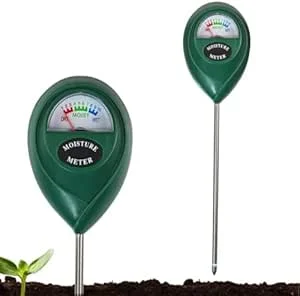 Soil moisture meterHelps check whether the root zone is actually ready for water.View on Amazon (paid link) ↗
 Digital hygrometerHelps track humidity and temperature around sensitive plants.View on Amazon (paid link) ↗Clip-on grow lightUseful for dim rooms, winter care, and plants stretching toward light.View on Amazon (paid link) ↗
As an Amazon Associate, HomePlantBot may earn from qualifying purchases.
Pruning and Shaping
Pruning is essential to maintaining healthy and visually appealing philodendrons. Whether climbing or trailing, shaping contributes to airflow, leaf spacing, and disease prevention.
Best Practices:
- Use sterile shears to avoid introducing pathogens
- Remove yellowed or damaged leaves regularly
- For full-style vines, cut just above a leaf node to encourage branching
- To reduce legginess, prune back to concentrate energy
Shape the plant not just for beauty but also for optimal functionality like light absorption and vertical balance. If unsure, read our quick fixes on common philodendron growth issues.
Propagation While Training
It’s possible to propagate philodendrons without interrupting their training. This allows you to expand your collection or share plants without losing their vertical or trailing integrity.
Common Propagation Methods:
- Node cuttings: Cut below a node with aerial root and leaf
- Water rooting: Allows visibility into root development
- Soil planting: Reduces transplant shock
- Air layering: Root while still attached on moss poles
After propagation, maintain adequate humidity and bright, indirect light. For detailed steps, refer to philodendrons propagation techniques.
Maintenance and Aftercare
Strong roots and clean foliage are key to longevity. Integrate these habits into your regular plant care:
- Wipe mature leaves with damp cloth or mist regularly
- Use an ideal philodendron soil mix with good drainage and aeration
- Fertilize lightly during growing seasons (spring and summer)
- Watch for signs of root-bound containers or fungal issues
Keep an eye out for pests like spider mites or mealybugs that love densely trained vines. Learn how to prevent these in our problem prevention guide.
Note on Variegated Types: Variegated cultivars may require stronger light and grow more slowly. Read our tips specific to variegated philodendron care.
Conclusion
Whether training a heartleaf to trail elegantly or guiding a verrucosum up a plank, knowing your philodendron’s nature is critical. We’ve covered how to:
- Select the right support for climbers
- Train plants using clips, light, and tools
- Prune and propagate without disrupting growth
- Maintain healthy roots and leaves long-term
Above all, be patient. With time and care, your philodendrons can become living walls of tropical splendor.
Explore unique growing experiences with rare climbing types not often found in big-box plant shops.
What’s your favorite climbing or vining philodendron?
Share your photos, tips, or hurdles in the comments below. The philodendron community thrives on shared experience and inspiration.
“Training your philodendron is part science—part art.”
“Climbing philodendrons grow better and leaf larger when given vertical support and bright indirect light.”
Suggested Tools:
- Zip ties or velcro plant tape
- Spray bottle for misting supports
- Sharp pruning shears
- Hydrometer to regulate humidity
Need help choosing the next care step?
If the symptoms in this article match your plant, use Plant Bot or the rescue checklist before buying anything. A quick diagnosis helps you fix the actual cause, not just the most visible symptom.
Quick decision checklist
- Check the growing conditions before changing everything.
- Adjust one care factor at a time.
- Use symptoms to guide the next step.
- Give the plant time to respond after corrections.