
HomePlantBot care guide
Sustainable & Low‑Waste Plant Care: The Complete Guide
As the popularity of houseplants continues to grow, so does our responsibility to care for them mindfully. Sustainable and low-waste plant care isn’t about perfection—it’s about making better choices for the planet while nurturing the green sanctuary we love. Every pot, drop of water, and scoop of soil has an impact.
What you’ll learn in this article
- Why sustainability matters in the houseplant community
- How to ethically source plants and avoid contributing to overharvesting
- Tips to replace peat with renewable potting ingredients
- How to reduce household waste by reusing tools and composting plant materials
- How to conserve energy and water while giving your plants what they need
- Ways to connect with others through local plant swaps
Affiliate disclosure: HomePlantBot may earn from qualifying purchases through the Amazon links below, at no extra cost to you.
Introduction
Common practices like using peat-based potting mixes, overwatering, and supporting large-scale plant production can unintentionally harm ecosystems. Fortunately, there are achievable, affordable alternatives that reduce our environmental footprint and enrich our plant care experience.
The Importance of Sustainability in the Houseplant Hobby
Bringing nature indoors is a beautiful practice—but it comes with consequences when done unsustainably. The surge in demand for trendy houseplants has led to problems like overharvesting from wild ecosystems and excessive use of plastic, packaging, and water.
Choosing sustainable methods not only safeguards ecosystems but also enhances plant health and saves money. When we minimize waste and share resources, we foster a greener, more connected community where everyone—including plants—thrives.
Sourcing Plants Ethically Through Tissue Culture and Responsible Nurseries
Understanding where your plants come from matters. Wild collection—taking plants directly from natural habitats—can disrupt fragile ecosystems and reduce biodiversity. Instead, look for plants grown through sustainable methods.
Tissue culture propagation is one eco-friendly method. It produces plants in sterile lab environments using minimal resources, making it both ethical and efficient.
When shopping, seek out responsible nurseries that openly share their plant sources. Don’t hesitate to ask vendors where their plants come from. Ethical sellers will be transparent and happy to answer.
Opting for Peat-Free Potting Mixes and Renewable Ingredients
Peat moss, once a staple in potting mixes, is increasingly under scrutiny. Peat harvesting depletes carbon-rich bogs, releasing CO₂ and harming biodiversity. Thankfully, there are sustainable alternatives that are just as effective.
Eco-Friendly Soil Alternatives
- Coconut coir: A renewable byproduct of coconut husks
- Composted bark: A rich, lightweight ingredient with excellent aeration
- Rice hulls: Organic matter that improves drainage
Creating your own potting mix? Try blending coconut coir, compost, perlite, and vermiculite for a balanced formula. Always check potting mix labels for peat-free certification.
Explore more peat-free ingredients here.
Reusing Pots, Trays, and Accessories to Reduce Waste
Plant care often comes with disposable plastics—from flimsy nursery pots to packaging. Combat this by reusing what you already have and sourcing secondhand options.
Tips for Reducing Waste
- Thoroughly clean and reuse nursery pots and trays
- Search thrift stores or online swaps for planters and tools
- Upcycle items like teacups, tins, or baskets into unique planters
- Invest in durable items like metal tools or ceramic pots for long-term use
Small changes lead to big savings—in waste and in your wallet.
Helpful products for this care problem
Helpful products for this plant care problem
If this is the issue you are solving, these tools can make the next step easier. They are optional, but they match the care problem covered in this article.
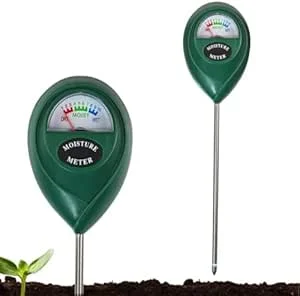 Soil moisture meterHelps check whether the root zone is actually ready for water.View on Amazon (paid link) ↗
 Digital hygrometerHelps track humidity and temperature around sensitive plants.View on Amazon (paid link) ↗Clip-on grow lightUseful for dim rooms, winter care, and plants stretching toward light.View on Amazon (paid link) ↗
As an Amazon Associate, HomePlantBot may earn from qualifying purchases.
Conserving Water by Using Collected Rainwater or Greywater (Safely!)
Water is essential, but it shouldn’t be wasted. Many common houseplants need far less water than we realize. Collected rainwater and greywater offer eco-conscious solutions for hydration.
How to Reuse Water Sustainably
| Type of Water | Source | Safe For Plants? |
|---|---|---|
| Rainwater | Roof collection via barrel | Yes (ideal) |
| Greywater | Rice rinse, fish tank water | Yes (if free of soap and chemicals) |
| Dehumidifier water | AC or basement unit | Yes (if filtered) |
Learn how to reuse water safely.
By avoiding overwatering, we protect roots and reduce water waste—a win-win.
Composting Spent Soil and Plant Trimmings Instead of Discarding
Organic waste like old soil or plant clippings doesn’t belong in the trash. Composting returns nutrients to the earth and reduces landfill burden.
Composting Tips
- Mix spent potting soil with kitchen compost and dry leaves
- Compost only healthy plants—discard diseased ones separately
- Use a worm bin or Bokashi system for odor-free indoor composting
With a bit of effort, even apartment dwellers can compost effectively. Here’s how to start indoors.
Choosing Energy-Efficient Lights and Mindful Humidifier Use
Artificial lighting and humidifiers can support your plants—but they consume energy. Let’s make them work smarter, not harder.
Energy-Saving Solutions
- Use LED grow lights with automatic timers
- Choose energy-efficient humidifiers with built-in hygrometers
- Limit usage—only run when humidity drops below 40%
No-Electricity Humidifying Tricks
- Grouped plants create micro-humidity
- Pebble trays under pots add moisture passively
- Terracotta watering stakes gradually release moisture
Find your energy-smart options here.
Joining Plant Swaps and Sharing Resources Within Your Community
Plant swaps are more than fun—they’re a sustainable way to share biodiversity, reduce buying, and connect with fellow plant lovers.
How Community Swaps Help
- Reduce commercial production and transport emissions
- Let you try new plants without buying
- Make plant care more accessible and social
Can’t find one near you? Start your own swap or sharing circle with neighbors. Here’s a simple guide to get started.
Swaps also go beyond plants—share tools, books, and soil for a lower-waste plant life.
Conclusion: Making Eco-Friendly Plant Care Choices
From soil to sunlight to social sharing, sustainable plant care is a journey with tangible rewards. Start wherever you can:
- Choose ethically sourced or swapped plants
- Go peat-free with your potting mix
- Reuse, upcycle, and avoid waste
- Collect and conserve water wisely
- Mind your energy usage
You don’t have to do it all at once. Choose one change this month, and build momentum. Share your wins (and struggles!) with fellow plant lovers and keep growing—sustainably.
Ready to take the next step? Explore our guide to peat-free soil ingredients, or learn how to reuse water safely for your plants. Every small change adds up.
Need help choosing the next care step?
If the symptoms in this article match your plant, use Plant Bot or the rescue checklist before buying anything. A quick diagnosis helps you fix the actual cause, not just the most visible symptom.
Quick decision checklist
- Check the growing conditions before changing everything.
- Adjust one care factor at a time.
- Use symptoms to guide the next step.
- Give the plant time to respond after corrections.