
HomePlantBot care guide
Snake Plant Pest management
Snake plants are a beloved favorite among indoor plant enthusiasts and small business owners alike. Their timeless, architectural look pairs perfectly with a low-maintenance lifestyle, making them a popular choice for office desks, lobbies, and storefronts. But even these hardy plants can occasionally fall victim to pest problems.
What you’ll learn in this article
- How to recognize common pests on your snake plant
- Treatment options for mealybugs, spider mites, thrips, and fungus gnats
- Preventive care tactics to reduce pest risks
- Best practices for pest-free plant propagation
Affiliate disclosure: HomePlantBot may earn from qualifying purchases through the Amazon links below, at no extra cost to you.
Introduction
Despite a well-earned reputation for resilience, snake plants are not immune to pest infestations. When left unchecked, pests can affect the plant’s appearance, health, and—even worse—the quality of indoor air.
In this guide, you’ll learn how to spot, treat, and prevent pest issues in snake plants, helping you maintain lush greenery in your home, office, or retail space.
Overview: Snake Plants and Pest Challenges
Snake plants (Sansevieria) are naturally equipped to resist many environmental stressors. Their tough leaves and slow growth make them less appealing to pests compared to other houseplants. However, under certain conditions, pests still find ways to invade.
Here are signs your snake plant might be dealing with a pest problem:
- Leaves turning yellow or brown
- Sticky residue on leaves or surrounding surfaces
- Spots or scarring
- Curling or misshapen foliage
Common Snake Plant Pests
| Pest | Signs | Why They’re Attracted |
|---|---|---|
| Mealybugs | White cottony patches | Access to plant sap; low airflow areas |
| Spider Mites | Webbing and leaf discoloration | Dry conditions and dusty leaves |
| Thrips | Silver streaks and distorted leaves | Warm, dusty environments |
| Fungus Gnats | Small flies near soil | Damp, poorly drained potting mix |
Care Requirements: Creating a Healthy Environment
Maintaining ideal environmental conditions is your first line of defense against pest issues. For a full care strategy, check out our Snake Plant Care Playbook.
Care Best Practices
- Light: Bright, indirect sunlight is best. Low light won’t kill snake plants but can slow growth and invite pests.
- Soil: Use a well-draining cactus or succulent mix.
- Watering: Allow soil to dry between watering. Overwatering is a common cause of fungus gnats and root rot.
- Airflow: Keep plants in ventilated areas with light air movement to deter mites and mold.
Environmental Tips for Work and Retail Settings
- Place plants away from HVAC vents and high-traffic zones where temperature and humidity fluctuate frequently.
- Use a watering schedule or app to avoid overwatering, especially in shared office settings.
Helpful products for this care problem
Helpful products for active pest control
If this is the issue you are solving, these tools can make the next step easier. They are optional, but they match the care problem covered in this article.
 Insecticidal soapA gentle first-line pest treatment for many houseplants.View on Amazon (paid link) ↗Neem oil sprayHelpful for repeated pest follow-up after cleaning leaves.View on Amazon (paid link) ↗
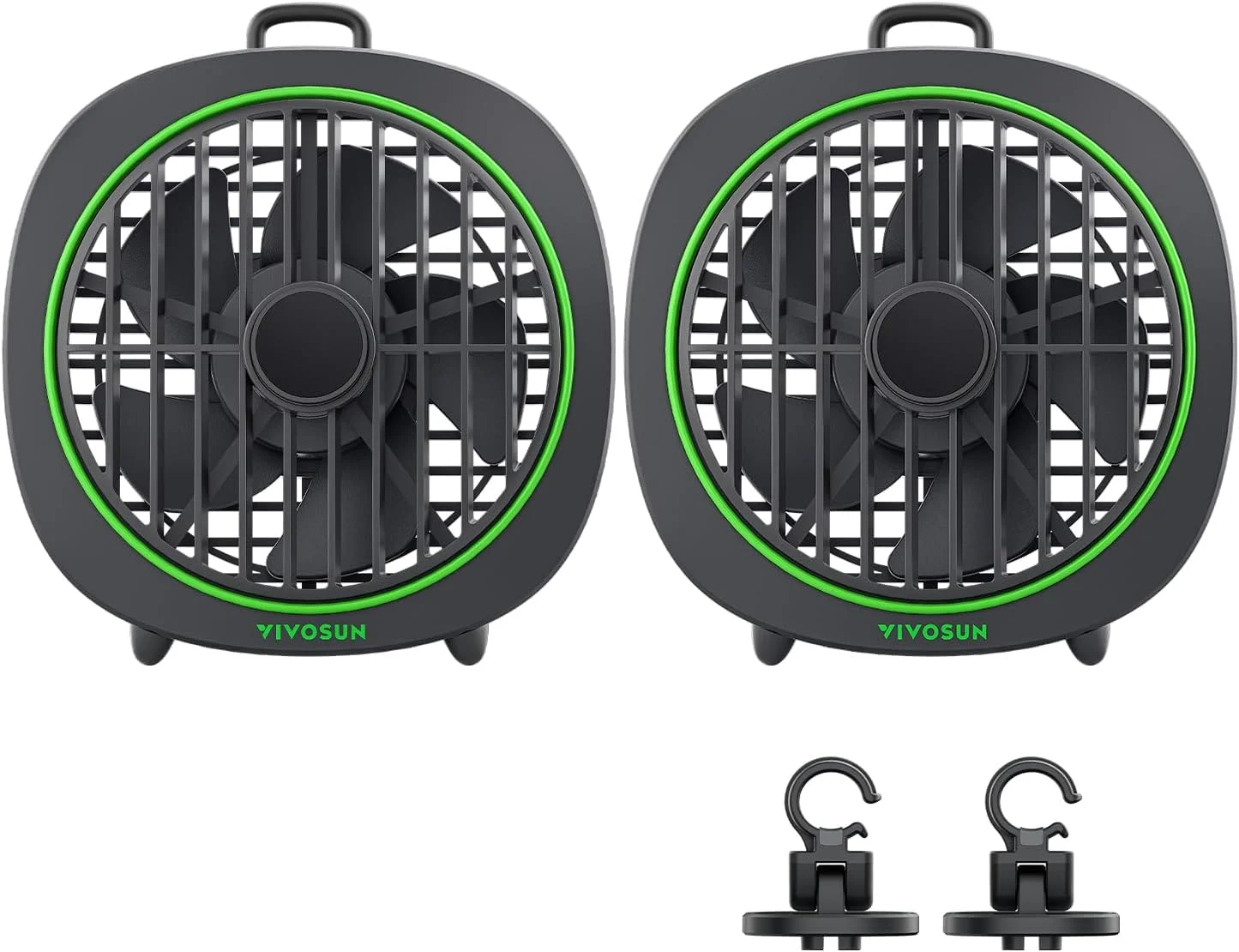 Clip fanAdds gentle airflow around humid or crowded plant shelves.View on Amazon (paid link) ↗
As an Amazon Associate, HomePlantBot may earn from qualifying purchases.
Common Issues and How to Treat Them
Mealybugs
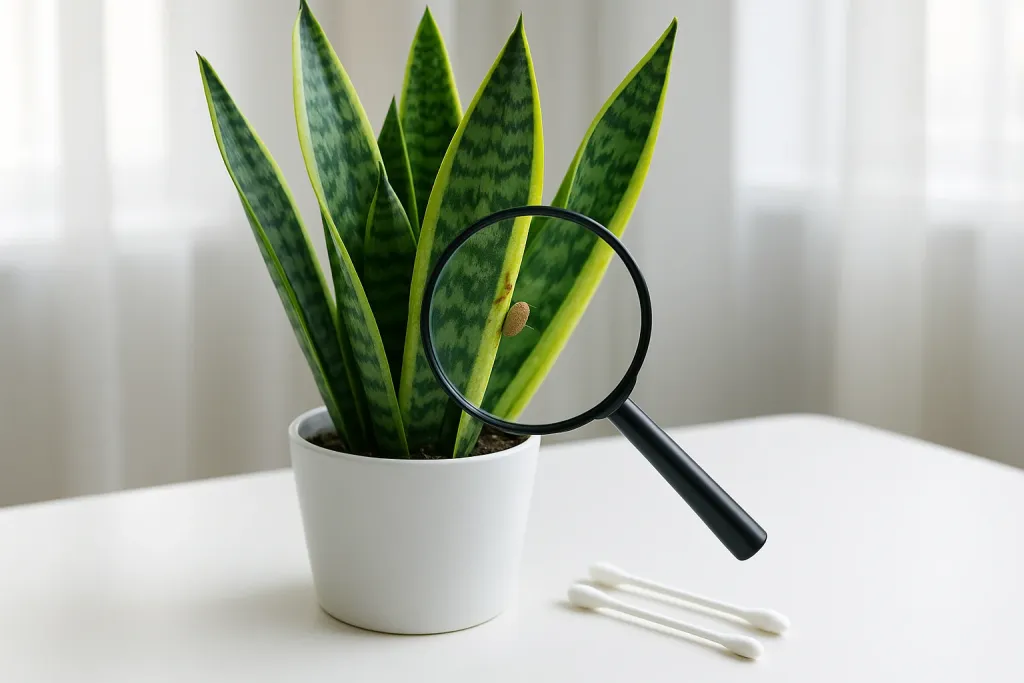
- Identification: Look for white, fluffy clusters on leaf joints and undersides.
- Treatment: Dab with isopropyl alcohol on a cotton swab or use insecticidal soap weekly until resolved.
- Prevention: Keep new plants isolated for 10–14 days and inspect them before introducing them to shared areas.
Spider Mites
- Identification: Fine, silky webbing and tiny red or black dots beneath leaves.
- Treatment: Spray with neem oil or rinse foliage under a faucet. Boost humidity in dry spaces.
- Prevention: Regularly clean leaves and mist under dry indoor conditions.
Thrips
- Identification: Leaves may have silvery streaks, black dots (frass), and appear deformed.
- Treatment: Use blue sticky traps to catch adults; spray affected areas with neem oil or spinosad once a week.
- Prevention: Dust leaves occasionally and isolate any infested plants.
Fungus Gnats
- Identification: Small flying insects near soil surface and slow plant growth due to larvae.
- Treatment: Dry soil between waterings, add yellow sticky traps, and introduce beneficial nematodes to soil if needed.
- Prevention: Avoid soil mixes rich in peat and always ensure containers have good drainage.
General Treatment Tips
- Isolate affected plants to prevent spreading pests to surrounding greenery.
- Use natural treatments with caution in workspaces—choose low-odor solutions like neem oil or insecticidal soaps safe for indoor use.
- Follow up weekly for at least 2–3 weeks after initial treatment. Reapply as necessary and continue inspecting weekly.
Propagation and Pest Prevention
Propagation is a popular way to expand your snake plant collection. But cutting or transferring a plant creates opportunities for pest introduction if not done carefully.
Best Hygiene Practices
- Sterilize pruning tools with alcohol before and after each use.
- Inspect both parent and new cuttings for signs of bugs before repotting.
- Quarantine any propagated segments for 2–3 weeks in a separate area before introducing them to other plants.
- Use sterile, fast-draining soil to eliminate fungus gnat risks and deter other soil-borne pests.
Conclusion
Snake plants may be hardy, but they’re not invincible. A few persistent pests can threaten the vitality of your plant—and even the vibe of your workspace or display.
Luckily, identifying and treating pest problems early gives your plant the best chance at recovery. But even better than treatment? Prevention. Correct watering, consistent inspections, and good airflow go a long way.
Keep your snake plant thriving all year by following a solid plant care routine. Start with the basics in our Snake Plant Care Playbook, and don’t forget to check those leaves regularly!
Sidebar Tip: DIY Natural Spray Recipe
- 1 tablespoon neem oil
- 1 teaspoon mild dish soap
- 1 quart of warm water
- Mix, pour into a spray bottle, and apply to affected leaves weekly
Quick Visual Checklist: Spotting Pests Early
- ✅ Check underside of leaves
- ✅ Look for sticky residue or webbing
- ✅ Monitor soil for tiny flying bugs
- ✅ Inspect new or moved plants immediately
Downloadable
Printable Snake Plant Pest Treatment Tracker (PDF)
Need help choosing the next care step?
If the symptoms in this article match your plant, use Plant Bot or the rescue checklist before buying anything. A quick diagnosis helps you fix the actual cause, not just the most visible symptom.
Quick decision checklist
- Inspect the undersides of leaves before treating.
- Repeat treatments on a schedule instead of once.
- Improve airflow so damp foliage does not stay wet.
- Isolate the plant until the issue is controlled.