
HomePlantBot care guide
ZZ Plant Pest primer
The ZZ plant, or Zamioculcas zamiifolia , is a top pick for offices, reception areas, and homes alike. With its glossy green leaves and reputation for thriving in low-light, low-maintenance conditions, it’s no surprise the ZZ plant is loved by busy professionals and plant enthusiasts. While it’s known for its resilience, even the hardiest plant is not immune to occasional pest issues.
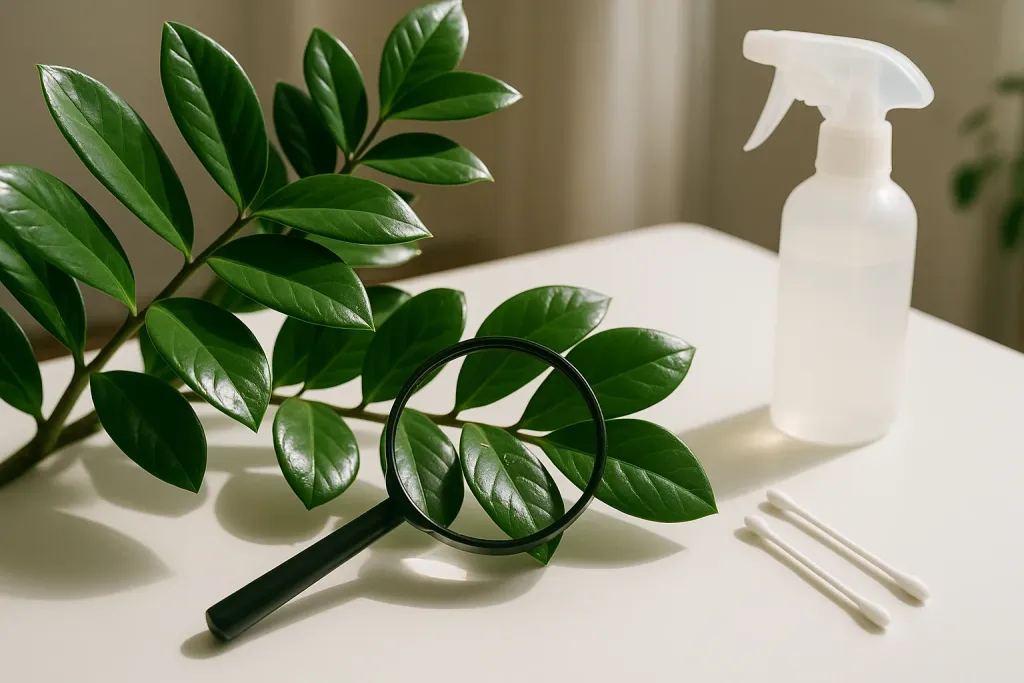
What you’ll learn in this article
- Identify common pests that target ZZ plants
- Understand how to prevent and treat infestations
- Learn best practices for ongoing care and maintenance
- Protect your ZZ plant investment with practical, effective advice
Affiliate disclosure: HomePlantBot may earn from qualifying purchases through the Amazon links below, at no extra cost to you.
Introduction
This ZZ plant pest primer will give you all the tools you need to keep your plant healthy and pest-free. We’ll cover the most common pests that affect ZZ plants, how to prevent infestations, and how to recover from one if it happens.
Overview: Understanding the ZZ Plant and Its Vulnerability
The ZZ plant is a slow-growing perennial native to Eastern Africa. It thrives in low light, requires infrequent watering, and is quite forgiving when it comes to irregular care schedules. This makes it an ideal plant for offices or busy homes.
However, certain conditions can leave it vulnerable to pests. Overwatering, cramped quarters, and poor air circulation create a hospitable environment for bugs like fungus gnats and spider mites. Regular attention to your plant’s environment can make a big difference—and integrating its care into your office’s standard cleaning or upkeep routine can help prevent issues before they start.
Looking for a care guide beyond pests? Visit our ZZ Plant Care Blueprint for everything from potting to propagation.
Care Requirements That Help Prevent Pests
Preventing pests begins with healthy plant care. The following strategies can dramatically reduce the likelihood of infestations:
Watering
- Only water when the top 1–2 inches of soil are dry to the touch.
- Use pots with drainage holes to avoid soggy soil—root rot attracts pests like fungus gnats.
Light
- ZZ plants do best in indirect sunlight or under fluorescent lighting.
- Avoid harsh direct sun, which can stress the plant and make it more prone to infestations.
Soil and Repotting
- Use a well-draining potting mix, such as cactus or succulent soil.
- Repot every 2–3 years or when root-bound to refresh soil and reduce pest buildup.
Air Circulation
- Maintain space between plants to improve airflow and reduce humidity pockets.
- In crowded office corners, add a small fan to improve circulation.
Regular Inspections
- Look for signs like gnats, webbing, sticky residue, or curled/discolored leaves.
- Inspect both tops and undersides of leaves.
Helpful products for this care problem
Helpful products for active pest control
If this is the issue you are solving, these tools can make the next step easier. They are optional, but they match the care problem covered in this article.
 Insecticidal soapA gentle first-line pest treatment for many houseplants.View on Amazon (paid link) ↗Neem oil sprayHelpful for repeated pest follow-up after cleaning leaves.View on Amazon (paid link) ↗
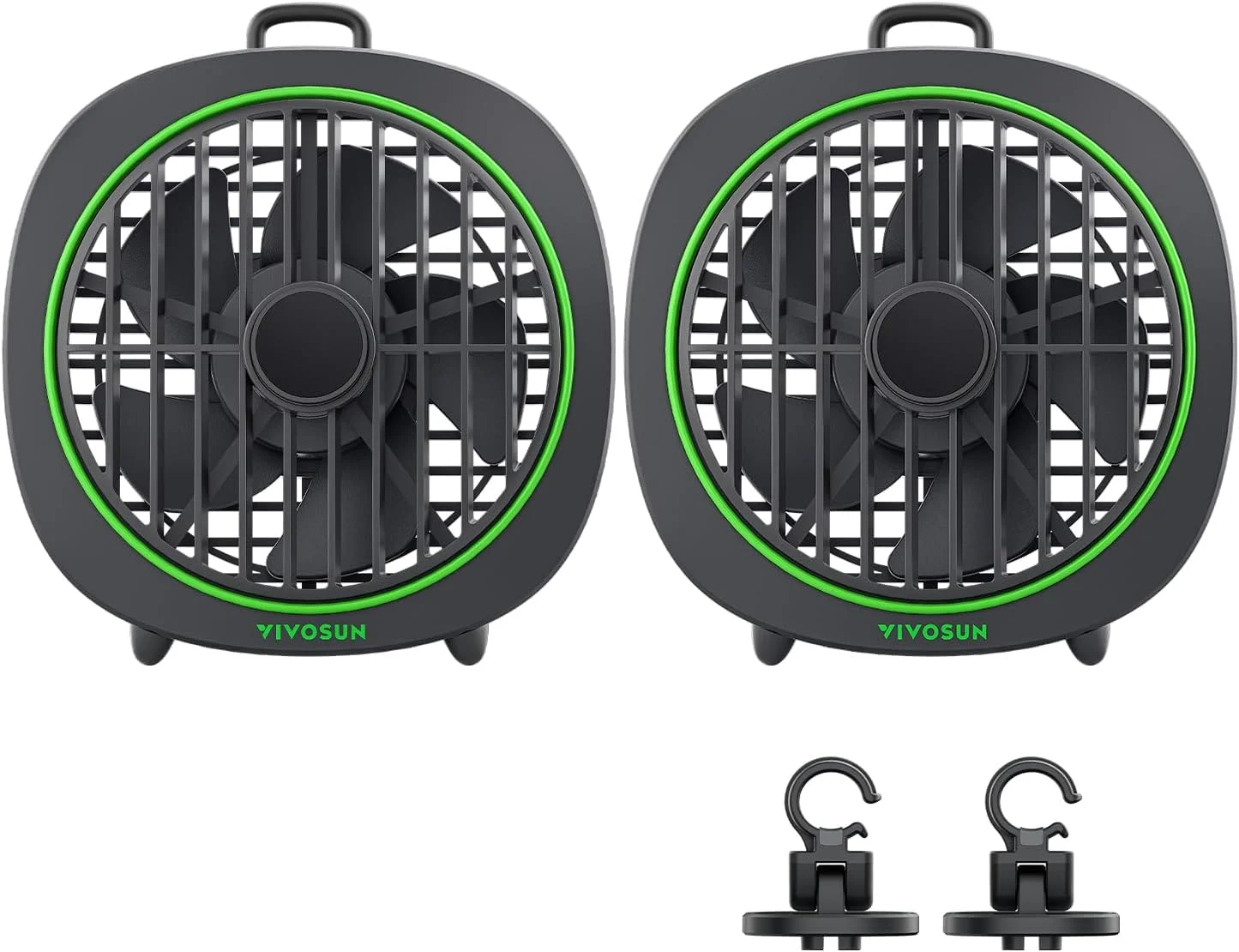 Clip fanAdds gentle airflow around humid or crowded plant shelves.View on Amazon (paid link) ↗
As an Amazon Associate, HomePlantBot may earn from qualifying purchases.
Common ZZ Plant Pests and How to Deal With Them
Here’s a quick-reference table for identifying and addressing the most common ZZ plant pests:
| Pest | Symptoms | Treatment |
|---|---|---|
| Fungus Gnats | Tiny black flies, especially near soil; larvae in wet soil | Drying soil, sticky traps, neem oil |
| Mealybugs | White cottony residue, leaf yellowing | Alcohol spray, insecticidal soap |
| Spider Mites | Fine webs, speckled leaves, dry environment | Misting, neem oil, predatory mites |
| Scale Insects | Shell-like brown bumps on stems | Manual scraping, horticultural oil |
| Aphids | Distorted growth, sticky sap | Water spray, insecticidal soap |
Fungus Gnats
Fungus gnats are small flying insects that hang around moist soil. They’re more annoying than destructive but can harm roots if larvae populations grow.
- Prevent: Allow soil to dry thoroughly between waterings.
- Treat: Use yellow sticky traps and apply neem oil to the topsoil.
Mealybugs
You’ll know mealybugs by their telltale fluffy white residue. They sap nutrients from your plant and leave behind a sticky residue that can attract mold.
- Remove: Dab them with rubbing alcohol using a cotton swab.
- Clean: Spray the plant with a mix of insecticidal soap and water.
Spider Mites
These near-microscopic pests weave webs between leaf stems and cause discoloration through tiny bites. They thrive in dry, warm air—a common condition in heated office spaces.
- Increase humidity: Mist plant regularly or use a humidifier.
- Use neem oil: It acts as both preventative and treatment agent.
- Try biological control: Introduce predatory mites in severe cases.
Scale Insects
These look like small brown bumps and are often mistaken for growths on the plant. They suck sap and form protective shells that resist sprays.
- Manual Removal: Use your fingernail or soft brush to scrape them off carefully.
- Apply horticultural oil: Smothers the insects and prevents future clinging.
Aphids
While rare on ZZ plants, aphids can still appear. They distort new growth and secrete a sticky substance that attracts ants and sooty mold.
- Hose down: Rinse with a strong blast of water—great for outdoor-grown ZZs.
- Apply insecticidal soap: Effective for small infestations.
“Even the hardiest plants need a little attention—especially when pests move in.”
Propagation After Pest Damage
Severe pest infestations may force you to discard parts—or all—of a ZZ plant. Fortunately, propagation is a simple and rewarding way to start fresh.
When to Propagate
- If more than 60% of the plant is damaged or infested beyond recovery.
- If roots are rotting due to pest-related overwatering issues.
Methods
There are two primary ways to propagate a ZZ plant:
- Division: Separate healthy rhizomes (underground tubers) from the main plant and replant them.
- Leaf cuttings: Cut mature leaves, allow them to callous, and plant in fresh, pest-free soil. This method takes longer but is space-efficient.
Post-Propagation Care
- Use fresh, sterile soil and sanitized tools to avoid reintroducing pests.
- Keep new plants in a “quarantine” spot for at least two weeks, away from other greenery.
- Inspect daily for pest activity and moisture balance.
Conclusion
While ZZ plants are remarkably low-maintenance, pest problems can still arise, especially under common stress conditions like overwatering, poor airflow, or neglect. The good news? With just a bit of care and regular observation, you can catch problems early and treat them effectively.
Whether you’re managing greenery in a workspace or nursing houseplants back to life, a prevention-first approach goes a long way. And even if pests take hold, propagation gives you another chance at a healthy plant.
For complete guidance on all aspects of ZZ plant maintenance, be sure to check out our ZZ Plant Care Blueprint. And if you’ve successfully revived a ZZ plant after pest trouble, we’d love to hear your story—share your tips and photos in the comments!
Downloadable Resource
Need help choosing the next care step?
If the symptoms in this article match your plant, use Plant Bot or the rescue checklist before buying anything. A quick diagnosis helps you fix the actual cause, not just the most visible symptom.
Quick decision checklist
- Inspect the undersides of leaves before treating.
- Repeat treatments on a schedule instead of once.
- Improve airflow so damp foliage does not stay wet.
- Isolate the plant until the issue is controlled.