
HomePlantBot care guide
Harvesting & Pinching for Bushy, Flavorful Growth
When it comes to growing healthy, flavorful herbs, how you harvest can be just as important as how you plant. Strategic harvesting and pinching encourage bushier plants, increase yields, and concentrate flavor. Whether you’re nurturing basil on a sunny kitchen windowsill or growing oregano in balcony containers, mastering these simple techniques can transform your herb gardening experience.
What you’ll learn in this article
- How to use pinching and harvesting to encourage bushier growth in herbs
- Where and when to harvest common herbs like basil, mint, and parsley
- Techniques to improve flavor and increase yields through proper pruning
- How to avoid overharvesting and keep herbs healthy for continuous harvests
- Best practices for drying and storing herbs for long-term use
- How to prevent flowering and prolong leafy growth for optimal flavor
Affiliate disclosure: HomePlantBot may earn from qualifying purchases through the Amazon links below, at no extra cost to you.
Introduction: Why Harvesting & Pinching Matter for Herb Growth
By regularly engaging with your herbs through pinching and cutting, you help them maintain a consistent vegetative state. This means more leaves, richer aromas, and a longer harvest season—all essential for both the plant’s vitality and your dinner plate.
If you’re just getting started with growing herbs indoors, take a look at our guide on edible windowsill herbs for setup tips and choosing the right varieties.
Understanding How Pinching Encourages Fuller, Tastier Plants
Pinching is a form of light pruning that involves removing the soft, top-growing tips of a plant using your fingers or clean scissors. Unlike standard harvesting, which often targets mature leaves or stems for use, pinching is all about promoting better structure and growth.
- Boosts Side Shoots: Removing the terminal bud (the very top) triggers the plant to develop side branches, leading to a bushier appearance.
- Improves Flavor: By focusing energy on leaf production instead of vertical growth or flowering, the plant funnels its resources into concentrated, flavorful foliage.
For example, pinching back basil once it reaches 4–6 inches tall helps it grow denser, fuller, and more aromatic. This early attention sets the stage for continuous harvests throughout the season.
Techniques for Harvesting: Cutting Above Leaf Nodes and Pinch Points
To get the most out of your herbs, you’ll want to cut or pinch just above a leaf node—the spot where a pair of leaves meets the stem. Doing so stimulates the plant to split into two new branches along each side, making it fuller and more productive.
- Use clean, sharp scissors for woody herbs (like oregano or sage) to avoid crushing the stem.
- Use your fingers for tender-stemmed herbs (like basil or mint) when simply pinching soft tips.
Pinching vs. Snipping Explained
- Pinching: Remove the top ½ inch of a growing stem, usually just above the second or third leaf node.
- Snipping: Use scissors to cut mature stems or sprigs for cooking or drying, typically farther down the plant.
Top Herbs That Benefit from Pinching
- Basil: Encourages lush foliage and prevents early flowering
- Mint: Keeps growth in check and improves flavor intensity
- Oregano: Stimulates more branching for better yields
- Sage: Reduces legginess and supports long-term health
Timing the First and Subsequent Harvests for Different Herbs
Knowing when to pinch or harvest each herb is crucial to avoid stressing young plants and to ensure healthy regrowth.
General Rule of Thumb
- Start pinching once the plant reaches 4–6 inches tall or has at least three sets of true leaves.
Herb Harvest Timelines
| Herb | First Harvest | Frequency | Notes |
|---|---|---|---|
| Basil | 6 inches tall | Every 1–2 weeks | Pinch tops before flowering starts for best flavor |
| Parsley / Cilantro | Multiple true leaves | Harvest outer stems weekly | Allow center leaves to regrow |
| Mint | 6 inches tall | Every 2–3 weeks | Cut at nodes to contain sprawling growth |
| Oregano | 4–5 inches tall | Monthly light harvests | Pinch to encourage dense foliage |
Helpful products for this care problem
Helpful products for this plant care problem
If this is the issue you are solving, these tools can make the next step easier. They are optional, but they match the care problem covered in this article.
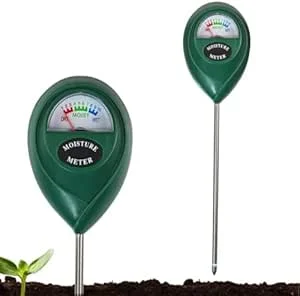 Soil moisture meterHelps check whether the root zone is actually ready for water.View on Amazon (paid link) ↗
 Digital hygrometerHelps track humidity and temperature around sensitive plants.View on Amazon (paid link) ↗Clip-on grow lightUseful for dim rooms, winter care, and plants stretching toward light.View on Amazon (paid link) ↗
As an Amazon Associate, HomePlantBot may earn from qualifying purchases.
Balancing Harvest Quantity with Plant Health and Regrowth
One of the most important rules of herb harvesting is to never take more than one-third of a plant at a time. Overharvesting can weaken the plant, slow regrowth, and diminish flavor intensity.
Instead, establish a rhythm like this:
- Pinch or harvest moderately.
- Allow 1–2 weeks for the plant to recover and regrow.
- Observe growth patterns: If leaves are thinning, discolored, or unusually small, give the plant more recovery time.
A healthy herb plant has vibrant color, firm stems, and evenly spaced leaves. Use these visual cues to determine when another round of harvesting is safe.
Using Clean Tools to Avoid Introducing Pathogens
Healthy plants begin with clean tools. Using dirty scissors or pinching with unwashed hands can introduce bacteria, fungi, and viral pathogens that compromise plant health.
Cleaning Tips for Herb Harvesting Tools
- Before and after use: Wipe tools with rubbing alcohol (70% or higher) or a diluted bleach solution (1 part bleach to 9 parts water).
- For pruning multiple plants: Sanitize between each to prevent cross-contamination.
- For fingers: Wash hands or wear garden gloves when pinching.
Keep your scissors sharp and rust-free. Sharp blades make cleaner cuts, promoting faster healing and minimizing damage to the plant.
Enjoying Your Herbs Fresh or Drying Them for Later Use
Freshly harvested herbs can be used immediately or preserved for future culinary adventures. Each approach has its considerations to maintain flavor and health benefits.
Using Herbs Fresh
- Rinse gently under cool water to remove dust or pests.
- Wrap loosely in a damp paper towel or store in a glass of water in the fridge.
- Use within a few days for best taste and aroma.
Drying Your Herbs
- Air-drying: Tie small bundles with string and hang upside down in a dry, dark, well-ventilated area.
- Dehydrator: Ideal for small, hard-to-dry leaves like thyme, oregano, and rosemary.
Storage Tips
- Keep dried herbs in an airtight container (glass jars work best).
- Store them away from direct sunlight to preserve oils and flavor.
- Label each with the harvest date to track freshness.
Removing Flower Buds to Maintain Leafy Growth
Flowering (also known as bolting) signals the end of an herb’s main leafy growth. When a plant begins to flower, its energy shifts from leaf production to seed development—often resulting in bitter or reduced flavor.
How to Identify and Remove Flower Buds
- Look for small clusters forming at shoot tips—these are early flower buds.
- Pinch them off as soon as they appear to redirect energy into leafy growth.
Exceptions to the Rule
- Want to save seeds? Let some plants flower and go to seed later in the season.
- Encouraging pollinators? Allow a few blooms, especially on companion plants like chives or thyme.
Conclusion: Sustaining a Continuous Supply of Fresh Herbs
Mindful harvesting and pinching are not only easy to learn—they’re essential for maintaining flavorful, productive herb gardens. These small acts lead to a perpetual cycle of regrowth that can keep your kitchen stocked with herbs all season long.
With just a little regular attention and observation, your herbs will reward you with vibrant taste and healthy growth. Ready to start your windowsill garden? Check out our guide to growing edible herbs indoors for tools, setups, and more tips.
Quick Reference Table
| Herb | First Pinch Height | Harvest Frequency | Special Notes |
|---|---|---|---|
| Basil | 6 inches | Every 1–2 weeks | Pinch to prevent early flowering |
| Mint | 4–6 inches | Every 2–3 weeks | Watch for spreading; cut back aggressively |
| Cilantro | 3–4 inches | Harvest outer stems weekly | Bolt-resistant varieties last longer |
| Oregano | 4–5 inches | Monthly light trims | Dry for best long-term storage |
| Sage | 4–6 inches | Every few weeks | Favor newer growth for flavor |
Endnote: Your herbs thrive when you harvest with purpose. By staying hands-on and learning the rhythm of each plant, you’ll gain an endless supply of flavor—plus the joy of gardening success from your very own windowsill or balcony.
Need help choosing the next care step?
If the symptoms in this article match your plant, use Plant Bot or the rescue checklist before buying anything. A quick diagnosis helps you fix the actual cause, not just the most visible symptom.
Quick decision checklist
- Check the growing conditions before changing everything.
- Adjust one care factor at a time.
- Use symptoms to guide the next step.
- Give the plant time to respond after corrections.