
HomePlantBot care guide
Monstera Common monstera problems
Monstera plants like Monstera deliciosa and Monstera adansonii have become indoor plant favorites due to their unique foliage and tropical vibe. Their signature fenestrated leaves bring a jungle aesthetic into homes, but like any houseplant, Monstera can face a range of health issues.
What you’ll learn in this article
- How to identify common Monstera problems early to prevent long-term damage.
- Solutions for yellowing, browning, wilting, or curling leaves.
- How to recognize pests, diseases, and environmental stressors.
- Proactive strategies to maintain a healthy and thriving Monstera.
Affiliate disclosure: HomePlantBot may earn from qualifying purchases through the Amazon links below, at no extra cost to you.
Introduction to Common Monstera Problems
Understanding and addressing these problems quickly is essential to keeping your Monstera looking its best. Many symptoms could be signs of multiple causes, so proper diagnosis is key. Establishing a consistent care routine grounded in light, water, and soil management is the first line of defense. (Explore our Monstera Care Blueprint to get started.)
In this article, we’ll explore typical Monstera problems, their causes, and how to bring your plant back to health.
Yellowing Leaves: Causes and Fixes
Common Causes of Yellowing Leaves
- Overwatering and root rot: Waterlogged roots can’t supply oxygen, leading to chlorosis (leaf yellowing).
- Underwatering: Dry roots starve the plant of nutrients and moisture.
- Nutrient deficiencies: A lack of nitrogen is a key factor behind pale or yellow leaves.
- Poor lighting: Too little or too much light can disrupt chlorophyll production.
How to Diagnose the Issue
- Watering patterns: Check if the top inch of soil is still moist before your next watering.
- Root health: Gently lift the plant — mushy, dark roots indicate rot.
- Light conditions: Ensure your Monstera is not in direct sunlight or a dim corner.
Solutions
- Adjust your watering schedule and improve soil drainage. Refer to the Monstera Care Blueprint for details.
- If rot is present, repot into fresh soil and trim damaged roots.
- Use a balanced, water-soluble fertilizer during the growing season.
Brown Tips and Leaf Spots
Brown Tips
Brown, crispy tips are usually caused by low humidity, salt buildup from fertilizer, or inconsistent watering. Monstera thrives in tropical conditions and reacts quickly to dry indoor air.
Fix:
- Increase humidity with a humidifier or pebble tray.
- Flush soil monthly with water to eliminate salt accumulation.
- Stick to a consistent watering schedule.
Leaf Spots
Spots may appear brown, black, or bordered with yellow. These are often caused by bacterial or fungal pathogens, worsened by moisture sitting on the leaves or inadequate airflow.
Fix:
- Remove affected foliage using sterilized scissors.
- Avoid overhead watering — water directly into the soil.
- Improve airflow with a fan or spacing the plant away from walls.
Black Leaves and Sunburn
Why Leaves Turn Black
Complete blackening can come from advanced root rot, fungal infections, or cold shock. Exposure to temperatures below 50°F (10°C) may quickly damage leaf tissues.
Sunburn Symptoms
Bleached areas or crispy brown and white patches usually indicate direct sunlight exposure. Monstera prefers bright, indirect light.
| Symptom | Likely Cause |
|---|---|
| Entire leaf turning black | Root rot or cold damage |
| Patches of browning with bleached area | Sunburn from direct sunlight exposure |
Fixes:
- Move the plant to a location with bright but indirect sunlight.
- Trim away damaged foliage with sterile scissors.
- If root rot is suspected, repot in fresh, well-draining soil.
Helpful products for this care problem
Helpful products for this plant care problem
If this is the issue you are solving, these tools can make the next step easier. They are optional, but they match the care problem covered in this article.
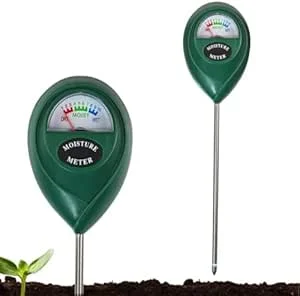 Soil moisture meterHelps check whether the root zone is actually ready for water.View on Amazon (paid link) ↗
 Digital hygrometerHelps track humidity and temperature around sensitive plants.View on Amazon (paid link) ↗Clip-on grow lightUseful for dim rooms, winter care, and plants stretching toward light.View on Amazon (paid link) ↗
As an Amazon Associate, HomePlantBot may earn from qualifying purchases.
Wilting and Curling Leaves
Common Causes
- Underwatering: Dry soil leads to droopy, curling leaves trying to conserve moisture.
- Overwatering: Waterlogged roots may cause the same wilting effect due to lack of oxygen.
- Low humidity: Dry air draws moisture from leaves, causing curling or wrinkling.
- Temperature fluctuations: Drafts or sudden cold can stress Monstera significantly.
Diagnosis Tips
- Use your finger or a moisture meter to check soil 2 inches down.
- Look for signs of root suffocation (mushy roots, sour smell).
- Feel for cold drafts or heating vents near the plant.
Fixes:
- Establish a watering schedule that keeps soil lightly moist but never soggy.
- Add humidity using misting, pebble trays, or room humidifiers.
- Relocate Monstera away from drafts and vents.
Pests and Diseases
Common Pests
- Spider mites: Small red or white dots, fine webbing under leaves.
- Mealybugs: Cottony white clusters along stems and leaf joints.
- Thrips: Slender insects that cause silver or streaky damage.
- Scale: Brown, waxy bumps that attach along leaf veins and stems.
Detected Signs
- Sticky residue or honeydew on leaves.
- Distorted leaf shape or color.
- Tiny dots or movement under leaves.
Diseases
- Root rot: Caused by excess moisture and poor drainage.
- Leaf blight and bacterial spots: Form as dark lesions or soggy spots spreading quickly.
Treatment Plan
- Isolate the infected plant immediately to avoid spreading issues.
- Use neem oil or insecticidal soap weekly until pests are eliminated.
- Prune heavily damaged leaves and improve airflow around the plant.
Prevention Tips
- Inspect leaves (especially undersides) weekly.
- Quarantine new plants before introducing them to existing greenery.
- Keep plant tools clean and avoid overwatering.
Prevention Strategies
Preventing Monstera problems comes down to proactive care and environmental balance. Here’s how to get ahead:
- Watering, lighting, and soil: Follow a care plan like our Monstera Care Blueprint to give your plant consistent, predictable living conditions.
- Regular inspections: Watch for early signs of yellowing, curling, or pests and act quickly.
- Seasonal adjustments: Reduce watering during winter, and consider grow lights if natural light is low.
- Environment monitoring: Use a humidifier and keep plants away from cold windows or heaters.
Conclusion
Most Monstera problems are manageable if you can identify their cause and respond promptly. Common issues like yellow leaves, black spots, or curling foliage often result from inconsistent watering, improper light, or pest exposure. Thankfully, most of these are reversible with minor adjustments.
Pay attention, check your plant weekly, and remember: your Monstera will usually tell you when something’s wrong. Take action quickly, and you’ll keep those rich green leaves thriving for years to come.
For a deeper dive into building healthy routines and understanding what your Monstera truly needs, read our Monstera Care Blueprint.
Need help choosing the next care step?
If the symptoms in this article match your plant, use Plant Bot or the rescue checklist before buying anything. A quick diagnosis helps you fix the actual cause, not just the most visible symptom.
Quick decision checklist
- Check the growing conditions before changing everything.
- Adjust one care factor at a time.
- Use symptoms to guide the next step.
- Give the plant time to respond after corrections.