
HomePlantBot care guide
Peace Lily Fungus gnat prevention
Peace lilies are a beloved staple in the world of houseplants. Their graceful white blooms, lush green leaves, and reputation for purifying indoor air make them a fixture in homes and offices alike. However, their love for damp, rich soil environments can attract unwelcome pests—most notably, fungus gnats.
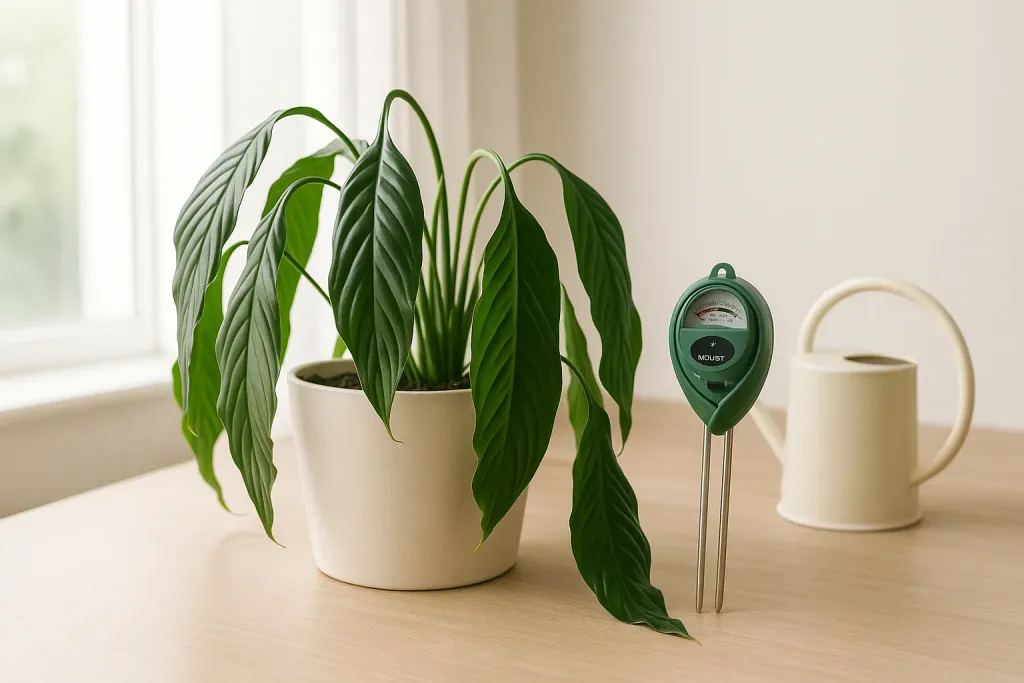
What you’ll learn in this article
- What causes fungus gnats in peace lilies
- How to stop them before they start
- Long-term solutions for a gnat-free home
Affiliate disclosure: HomePlantBot may earn from qualifying purchases through the Amazon links below, at no extra cost to you.
Introduction
For many peace lily owners, tiny gnats hovering around their prized plant can be an unexpected nuisance. While they may seem harmless at first, fungus gnats can quickly become a recurring problem if not addressed at the root.
This comprehensive guide offers practical, step-by-step methods for effective peace lily fungus gnat prevention. You’ll learn how to identify the source, apply preventive strategies, and maintain a healthy, gnat-free plant long-term.
Fungus Gnats and Your Peace Lily
What Are Fungus Gnats?
Fungus gnats are small, dark, mosquito-like insects often spotted buzzing near indoor plants. Adult gnats have a short lifespan of about one week but can lay hundreds of eggs in moist soil. Their larvae, which feed on fungi, decaying organic matter, and plant roots, pose the real threat to your peace lily’s health.
Why They Target Peace Lilies
- Moisture-Rich Soil: Peace lilies prefer consistently moist conditions, a trait that makes them ideal targets for fungus gnat egg-laying.
- Organic Potting Mix: The high organic content in typical peace lily potting soil creates a food-rich environment for larvae.
How to Spot a Gnat Problem
| Sign | Description |
|---|---|
| Flying Insects | Small black gnats buzzing near soil or plant |
| Leaf Discoloration | Yellowing or wilting leaves from larval root damage |
| Mold Growth | White or gray mold on soil surface indicating excess moisture |
Peace Lily Care and Its Role in Prevention
Peace Lily Basics
Proper care is your best defense. Peace lilies thrive in bright, indirect light, in well-draining, fertile soil, and in moderately humid air.
For full care details, check out our article on Peace Lily Care: Blueprint and Bloom Tips.
Overwatering Pitfalls
Many peace lily owners overwater out of caution, but wet soil is fungus gnat paradise. Persistent dampness causes roots to rot and creates an appealing environment for egg laying and larvae development.
Preventive Watering Techniques
- Let Soil Dry: Allow the top 1-2 inches of soil to dry before watering again.
- Bottom Water: Water from the saucer to encourage healthier root systems and avoid soggy topsoil.
- Drainage Matters: Choose pots with drainage holes and use a tray to catch excess moisture without re-soaking the roots.
Helpful products for this care problem
Helpful products for fungus gnat prevention
If this is the issue you are solving, these tools can make the next step easier. They are optional, but they match the care problem covered in this article.
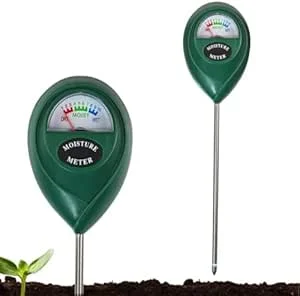 Soil moisture meterHelps check whether the root zone is actually ready for water.View on Amazon (paid link) ↗
 Insecticidal soapA gentle first-line pest treatment for many houseplants.View on Amazon (paid link) ↗
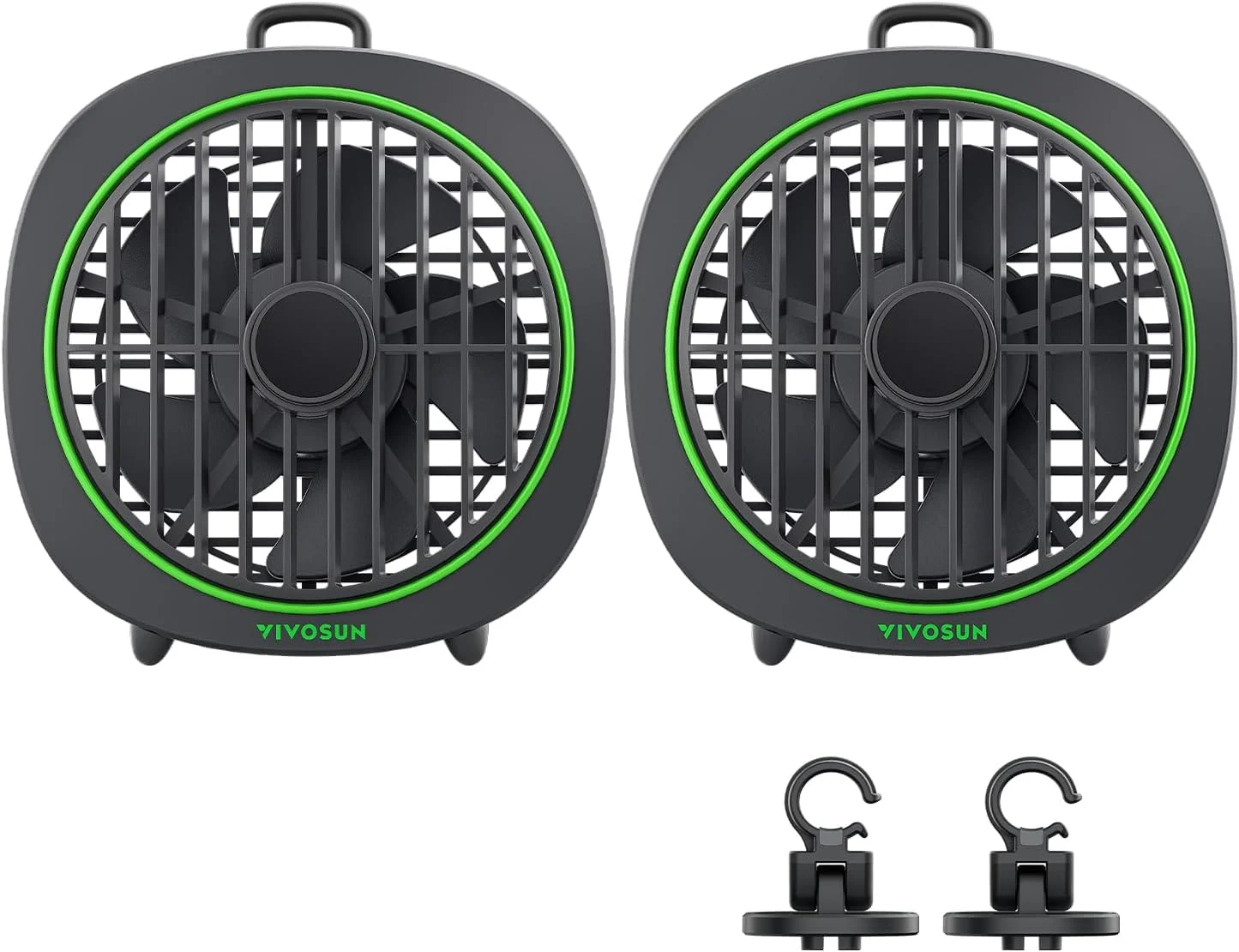 Clip fanAdds gentle airflow around humid or crowded plant shelves.View on Amazon (paid link) ↗
As an Amazon Associate, HomePlantBot may earn from qualifying purchases.
Common Issues & Gnat Prevention Techniques
1. Moist or Compacted Soil
Dense soil not only retains water but also stunts airflow, both of which attract fungus gnats.
- Use Well-Draining Mix: Incorporate perlite, coarse sand, or orchid bark to improve drainage.
- Sterile Potting Soil: Use fresh, sterile mixes when potting or repotting to prevent hidden pests and larvae.
2. Poor Airflow & High Humidity
Still air and high humidity compound gnat problems. Encourage airflow around your plants:
- Keep peace lilies away from closed corners and stuffy locations
- Use a small fan for circulation in enclosed spaces
- Employ a dehumidifier if your home’s humidity is naturally high
3. Natural & Chemical Prevention Tools
Successful prevention often combines several strategies. Here’s a breakdown of trusted tools:
| Method | Type | How It Helps |
|---|---|---|
| Sticky Traps | Natural | Catches adult gnats to break the life cycle |
| Diatomaceous Earth | Natural | Sprinkle on soil to kill larvae on contact |
| Neem Oil Spray | Organic Pesticide | Disrupts insect hormonal functions and deters adults |
| BTi (e.g., Mosquito Bits) | Biological Control | Kills larvae without harming the plant |
| Beneficial Nematodes | Biological Control | Tiny worms that consume fungus gnat larvae naturally |
4. Repotting When Needed
If gnats persist despite other efforts, repotting may be your cleanest solution.
- Remove Old Soil: Gently shake off all soil and rinse roots with lukewarm water.
- Use a Clean Pot: Wash containers thoroughly or select a new one with drainage holes.
- Check Roots: Trim away any mushy or rotting roots before repotting into fresh, sterile mix.
Peace Lily Propagation Tips
Avoid Spreading Pests
Propagation can inadvertently transmit pest infestations. Protect your new divisions with the following:
- Inspect the parent plant for gnats or larvae before dividing
- Clean and sterilize cutting tools with alcohol or boiling water
- Use a fresh, sterile propagation mix for new starts
Smart Propagation Practices
- Only divide mature, healthy plants
- Allow divisions to callus if needed before planting
- Place new plants in low stress, indirect light conditions for good healing
Monitoring New Growth
Even healthy new plants can develop issues if overwatered or placed in poor conditions from the start. Maintain proper care and monitor any signs of pest activity.
Conclusion
Peace lily fungus gnat prevention is achievable with the right care knowledge and consistent attention. By allowing soil to dry between waterings, improving soil health, and using preventive tools like sticky traps or biological controls, you’ll provide your peace lily with a healthier, gnat-free environment.
Stay proactive—prevention works best when it’s part of your regular plant care routine.
For more peace lily tips and flower-boosting care, read our guide: Peace Lily Care: Blueprint and Bloom Tips.
Have your own tips or success story with houseplant pest prevention? Share them in the comments or subscribe to our newsletter for more helpful guides!
Need the fastest next step?
Use the focused Fungus Gnat Solution Kit for a cleaner diagnosis, the first actions to take, and the products most likely to help.
Need help choosing the next care step?
If the symptoms in this article match your plant, use Plant Bot or the rescue checklist before buying anything. A quick diagnosis helps you fix the actual cause, not just the most visible symptom.
Quick decision checklist
- Let the top layer dry more between waterings.
- Use sticky traps to monitor adult gnats.
- Fix soggy soil instead of only treating adults.
- Improve airflow around constantly damp pots.