
HomePlantBot care guide
Hard Water, Chlorine, Chloramine & Fluoride: Plant Impacts
Healthy plants start with the basics—sun, soil, and water. While most plant lovers focus on light and fertilizer, the water you use can play a critical role in your plant’s vitality. Many municipal water supplies contain additives that are perfectly safe for human use but may cause stress or damage to houseplants, garden beds, or greenhouse crops.
What you’ll learn in this article
- Understand how hard water and dissolved minerals affect plant growth
- Recognize signs of chlorine, chloramine, and fluoride toxicity in leaves and soil
- Learn which plants are sensitive to specific water additives
- Explore methods to treat or improve your tap water for plant use
- Know when to use filtered, rain, RO, or distilled water for your plants
Affiliate disclosure: HomePlantBot may earn from qualifying purchases through the Amazon links below, at no extra cost to you.
In this guide, we’ll walk through what’s in your tap water—including minerals, chlorine, chloramine, and fluoride—and how each can impact plant health. For those curious about the science of water chemistry and how it ties to nutrition, check out our full guide on Water Quality & Plant Nutrition Science.
Whether you’re a seasoned gardener or a new plant parent, understanding your local water quality can help you prevent leaf damage, soil imbalances, and slow growth.
1. Understanding Hard Water and the Minerals That Make It ‘Hard’
Hard water is simply water that contains high concentrations of dissolved minerals, primarily calcium (Ca²⁺) and magnesium (Mg²⁺). These come from natural deposits in lime-rich geology—the more groundwater spends time filtering through such soils, the “harder” it becomes.
Common signs of hard water include:
- White chalky deposits on pots or watering cans
- Crusty residue on faucets or showerheads
- Soap that doesn’t lather well
Knowing whether you have hard or soft water helps you troubleshoot plant issues. Mineral-heavy water can contribute to soil salt buildup over time, leading to unintended side effects on your plants.
2. How Calcium and Magnesium Salts Accumulate and Affect Plants
Calcium and magnesium are beneficial for plants—in the right amounts. However, excessive buildup can lead to imbalances that interfere with the uptake of other essential nutrients like potassium (K⁺) and phosphorus (P).
Over time, repeated use of hard water can cause these effects:
- Alkaline soil pH, which reduces nutrient availability
- Salt buildup near roots, damaging root hairs
- Nutrient lockout, especially potassium and iron
Watch for these visual signs on your plants:
- Interveinal chlorosis (yellowing between leaf veins)
- Stunted or slow growth
- Dry or burned leaf tips
3. Effects of Chlorine and Chloramine on Soil Microbes and Roots
Chlorine is a disinfectant added to most tap water to kill harmful bacteria. It’s volatile and tends to evaporate from water left standing. Chloramine, however, is chlorine combined with ammonia—more stable and much harder to remove.
Although these disinfectants protect human health, they can harm the living soil systems plants depend on. In particular:
- They reduce beneficial microbial populations critical to organic growing
- They can damage delicate root tips, affecting nutrient and water uptake
- They inhibit natural nutrient cycling and soil structure
This is especially concerning for gardeners using compost, worm castings, or microbial soil inoculants.
4. Fluoride Toxicity Symptoms and Sensitive Species to Watch
Fluoride is added to many municipal water supplies to improve dental health, but unfortunately, it’s not great for plants. Fluoride accumulates in leaf tissue and soil, especially when watering from the top over months or years.
Symptoms of Fluoride Toxicity Include:
- Brown or scorched leaf tips, especially on mature leaves
- Marginal discoloration along leaf edges
- Gradual decline in leaf quality, even with good care
Plants Known to Be Sensitive to Fluoride:
| Plant Name | Scientific Name |
|---|---|
| Dracaena | Dracaena spp. |
| Spider Plant | Chlorophytum comosum |
| Peace Lily | Spathiphyllum spp. |
| Ti Plant | Cordyline fruticosa |
Fluoride damage can look similar to burn from other salts, so it’s important to correlate visual signs with water source and species sensitivity.
Helpful products for this care problem
Helpful products for this plant care problem
If this is the issue you are solving, these tools can make the next step easier. They are optional, but they match the care problem covered in this article.
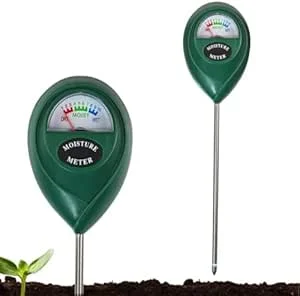 Soil moisture meterHelps check whether the root zone is actually ready for water.View on Amazon (paid link) ↗
 Digital hygrometerHelps track humidity and temperature around sensitive plants.View on Amazon (paid link) ↗Clip-on grow lightUseful for dim rooms, winter care, and plants stretching toward light.View on Amazon (paid link) ↗
As an Amazon Associate, HomePlantBot may earn from qualifying purchases.
5. Recognising Signs of Water Quality Problems in Leaves and Soil
Identifying symptoms early can save your plants from long-term stress. Here’s what to look for:
- Browning or scorched leaf tips, especially on older foliage
- White crusts forming on the soil surface or rim of containers
- Heavy, compacted soil that drains poorly due to salt accumulation
- Stunted or slowed growth despite healthy light and feeding
Quick Inspection Checklist:
- Look at the leaf margins—any browning or curling?
- Check the lower leaves—are they yellowing or dropping?
- Examine the soil—do you see crusty minerals or salt rings?
6. Filtering, Boiling, or Letting Water Sit to Remove or Neutralise Additives
There are several low-effort ways to make tap water safer for plants:
| Method | Removes | Pros | Cons |
|---|---|---|---|
| Let water sit 24–48 hrs | Chlorine only | Easy, cheap | Doesn’t remove chloramine or minerals |
| Boiling | Chlorine, temporary hardness | Effective for small batches | Energy-intensive, not practical long-term |
| Carbon filter (e.g. Brita) | Chlorine, some chloramine, fluoride | Convenient | Filter replacements needed |
| Inline garden filter | Chlorine, minerals | Good for outdoor and greenhouse use | Initial cost |
Choose the method that fits the scale of your collection and budget. Even switching to filtered water just for sensitive species can make a difference.
7. When to Use Rainwater, RO or Distilled Water for Problem Cases
When tap water causes ongoing problems, it might be time to switch your water source entirely—especially for rare or finicky species.
Water Source Comparisons:
- Rainwater: Soft, natural, best option overall—but depends on collection setup and rainfall volume.
- Reverse Osmosis (RO): Very clean, removes 95–99% of dissolved solids. Great for hydroponics, but must re-mineralize the water for plant health.
- Distilled Water: Pure H₂O, neutral pH, ideal for fluoride-sensitive plants. Not cost-effective for large gardens.
These options make sense for specific cases:
- Orchids or carnivorous plants that dislike salts
- Rare tropicals or moisture-sensitive species
- Indoor gardeners battling persistent residue or leaf tip burn
Use caution if switching all your plants to mineral-free water—over time, deficiency symptoms can show up if you don’t supplement or feed regularly.
8. Conclusion: Adjusting Your Watering Practice for Local Water
High mineral content, chlorine, chloramine, and fluoride are all common in tap water—and over time, they can make your plants suffer. The good news? You don’t need to overhaul your whole watering routine.
Start by learning your local water profile through observation or a simple water test. Then take manageable steps:
- Let water sit or use filtered water for fluoride-sensitive plants
- Flush potted soil occasionally with clean water to prevent salt buildup
- Collect rainwater or use RO water when practical
Better water means fewer mystery symptoms and healthier, more vibrant plants. Want to dive deeper into this topic? Check out our full guide on Water Quality & Plant Nutrition Science.
Need help choosing the next care step?
If the symptoms in this article match your plant, use Plant Bot or the rescue checklist before buying anything. A quick diagnosis helps you fix the actual cause, not just the most visible symptom.
Quick decision checklist
- Check the growing conditions before changing everything.
- Adjust one care factor at a time.
- Use symptoms to guide the next step.
- Give the plant time to respond after corrections.