
HomePlantBot care guide
Asking a Plant‑Sitter: The One‑Page Care Sheet
Traveling can be a refreshing break—but your plants don’t take vacations. Even for weekend trips, houseplants rely on consistent care to thrive. Whether you’re a proud plant parent to a few succulents or managing a mini indoor jungle, making thoughtful plans ensures your leafy friends stay healthy while you’re away.
What you’ll learn in this article
- Learn how to assess when you need a plant-sitter based on travel duration and plant needs
- Understand how to create a concise, one-page care sheet for your sitter
- Discover smart tips on organizing your plants and instructions for stress-free care
- Learn how to communicate expectations and provide guidance in case of emergencies
- Pick up ideas for showing appreciation and gaining sitter feedback post-trip
Affiliate disclosure: HomePlantBot may earn from qualifying purchases through the Amazon links below, at no extra cost to you.
One easy and effective step? Create a simple, one-page care sheet. This guide helps your chosen plant-sitter keep everything green and growing, without pages of confusion. Whether it’s a friend, neighbor, or helpful roommate, a clear care cheat-sheet sets everyone up for success.
Need help prepping your entire plant setup before a trip? Check out our Travel-proofing tips for your leafy team.
When to Ask a Plant-Sitter for Help
Before reaching out for help, do a quick assessment of your plant collection’s needs:
- Length of Time Away: A weekend getaway? Most plants can survive. Longer than a week? It’s time to arrange help.
- Plant Types: Succulents and cacti can go longer without fuss. Tropical varieties or flowering plants might need attention every few days.
- Environmental Sensitivity: Plants in bright light, high humidity, or specialty environments often need more oversight.
You can supplement care with tools like:
- Self-watering spikes
- Timers for grow lights
- Grouping plants together for microclimate heat and humidity
Still, some setups are best left to a human helper—especially if you have more than five plants or any diva-like growers (we’re looking at you, Calatheas!).
Tip: If you’re going for 10+ days or own high-maintenance plants, line up someone to check in at least once.
How to Build a One-Page Plant Care Sheet
Effortless care starts with a single, tidy page. Keep your instructions simple, scannable, and organized by location. This helps your sitter move quickly and confidently.
Here’s what to include:
| Element | Details |
|---|---|
| Plant Names | Use common names and nicknames: “Fiddle Leaf Fig (Finn)” |
| Room/Zone | Group instructions by area: “Living Room”, “Kitchen Window Sill” |
| Watering | Specify schedule and method: “Every 3 days” or “Water when top inch is dry” |
| Sunlight | Note lighting preferences: “Leave blinds open in the morning” |
| Humidity | Any misting or pebble tray instructions |
| Fertilizing & Pests | Only include if needed: “Skip this week” or “Watch for gnats” |
Add Photos and Directions for Each Plant
Visuals go a long way in helping sitters stay confident. Take a photo of each plant or group by room using your phone. Label the photos with the plant’s name and quick icons to cue care info. For example:
- ☀️ = Full light
- 💧 = Needs water
- 🌡️ = Watch humidity
Not only do these images help your helper find and identify plants faster—they reinforce care instructions with visual memory.
Share Emergency Contact Info and Preferences
No one expects trouble, but it’s good to be reachable in case your monstera throws a tantrum. At the bottom of your care sheet, provide:
- Your best contact info (text/email)
- Your preferred method of updates (“Text if unsure” or “Email check-ins once halfway through is fine”)
- What to do if something seems off—like pests, odd spotting, or severe wilting
- Optional: A local plant-savvy friend or nursery that might help in a pinch
Helpful products for this care problem
Helpful products for this plant care problem
If this is the issue you are solving, these tools can make the next step easier. They are optional, but they match the care problem covered in this article.
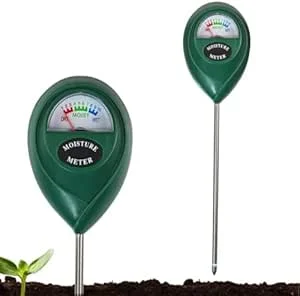 Soil moisture meterHelps check whether the root zone is actually ready for water.View on Amazon (paid link) ↗
 Digital hygrometerHelps track humidity and temperature around sensitive plants.View on Amazon (paid link) ↗Clip-on grow lightUseful for dim rooms, winter care, and plants stretching toward light.View on Amazon (paid link) ↗
As an Amazon Associate, HomePlantBot may earn from qualifying purchases.
Demonstrate Any Watering Systems or Tools Before You Leave
If you use any plant-care gadgets, give a quick show-and-tell before leaving:
- Self-watering spikes: Show how they work and when to refill
- Humidifiers or grow lights: Point out timers or manual switches
- Watering tools: Let them know where the watering can or mister is stored
Note: Highlight any quirks. Include things like, “My ZZ plant basically waters itself. Skip unless soil is completely bone dry.”
Walk Through Everything in Person if Possible
Nothing beats a five-minute property tour. If your sitter can visit before you head out, walk them through care in real time.
- Point out hidden or finicky plants
- Clarify what’s optional vs. essential
- Answer any questions face-to-face
Even a 15-minute walkthrough gives your helper confidence—and helps prevent mix-ups like overwatering or ignoring a critical orchid hiding behind the couch.
Say Thank You and Give Feedback When You Return
Don’t forget appreciation! A thoughtful thank-you encourages your sitter to say yes again in the future.
- Leave a small thank-you gift (coffee, handmade card, plant cuttings)
- After your return, let them know how they did—especially if your plants look fabulous
- Gently share any feedback for next time (“The pothos was overwatered, but no worries—easy fix!”)
It builds goodwill and improves care each time.
Peace of Mind Starts with Good Plant Communication
A little planning goes a long way toward happy greenery and a smooth return. Whether you’re a proud plant parent or pet owner, consider plant-sitting prep part of your travel checklist.
And remember—you’re not writing a novel. Just give clear care tips, smart labeling, and a kind note of thanks, and your indoor garden will keep growing while you’re gone.
Planning a trip soon? Don’t forget to check out our full guide to preparing plant care systems before you go: Travelproof Plant Care.
Need help choosing the next care step?
If the symptoms in this article match your plant, use Plant Bot or the rescue checklist before buying anything. A quick diagnosis helps you fix the actual cause, not just the most visible symptom.
Quick decision checklist
- Check the growing conditions before changing everything.
- Adjust one care factor at a time.
- Use symptoms to guide the next step.
- Give the plant time to respond after corrections.