
HomePlantBot care guide
ZZ Plant Care blueprint
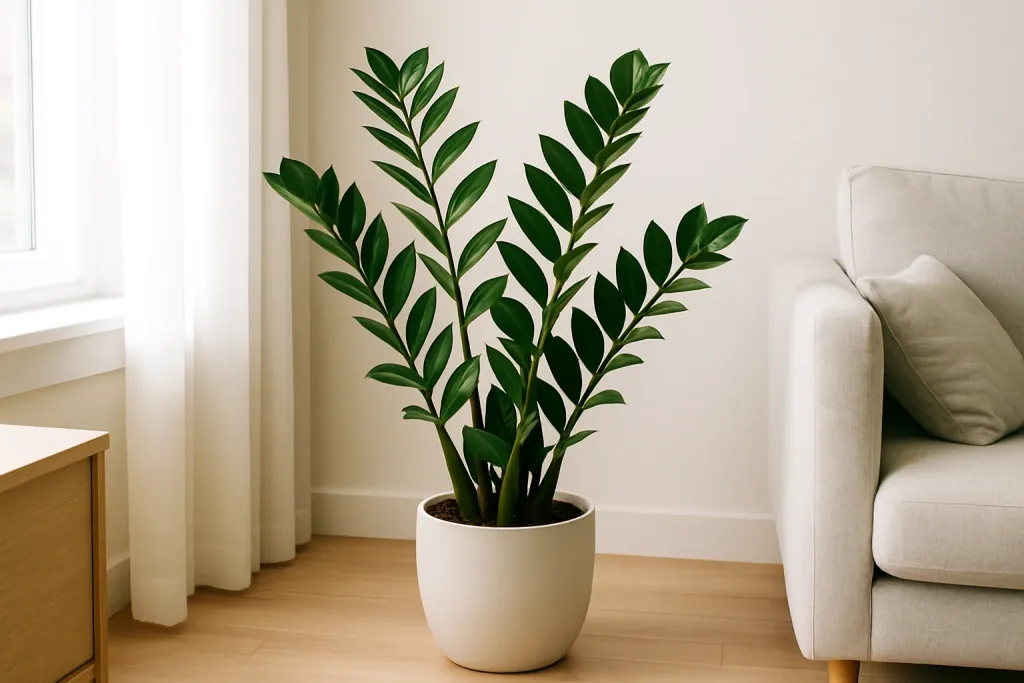
The ZZ plant ( Zamioculcas zamiifolia ), a native of Eastern Africa, has become a staple in homes and workplaces worldwide. Admired for its glossy, dark green leaves and impressive drought tolerance, the ZZ plant is a favorite among both beginner gardeners and seasoned plant lovers.
What you’ll learn in this article
- How to grow and maintain a healthy ZZ plant in any indoor environment
- Troubleshooting tips for common issues like yellow stems or pest invasion
- The right soil, light, water, and temperature balance for optimal growth
- Expert guidance on pruning, propagating, and repotting your ZZ
- Differences in care needs between standard and Raven ZZ plant types
Affiliate disclosure: HomePlantBot may earn from qualifying purchases through the Amazon links below, at no extra cost to you.
Introduction to the ZZ Plant
Its slow growth rate makes it ideal for interior spaces without much fuss. Whether you’re decorating an office corner or sprucing up your living room, the ZZ plant thrives with minimal effort.
Troubleshooting yellow-stem issues? Read our full guide: zz-plant-yellow-stems-troubleshooting
Overview of ZZ Plant Varieties
While the classic ZZ plant is known for its thick, waxy green leaves, newer cultivars offer added flair. The most notable is the Raven ZZ, celebrated for its deep purple-black foliage that adds rich contrast to any plant collection.
| Variety | Leaf Color | Growth Habit | Care Difficulty |
|---|---|---|---|
| Standard ZZ | Glossy Green | Upright, slow-growing | Very Easy |
| Raven ZZ | Deep Purple-Black | Similar to Standard | Very Easy |
For an in-depth comparison, explore zz-plant-raven-vs-regular-care-differences.
Light Requirements
ZZ plants perform best in bright, indirect light but readily adapt to low-light conditions, making them a top pick for rooms without much natural sunlight. However, placing them in total darkness is not advisable, as all plants need some light to photosynthesize and stay healthy.
Signs of Improper Lighting
- Too much light: Yellowing or scorched leaves
- Too little light: Leggy stems, slowed growth
Dive deeper into light needs at zz-plant-light-tolerance-facts.
Watering and Soil Essentials
Overwatering is the most common cause of ZZ plant decline. Water your ZZ only when the top 1–2 inches of soil feel dry. Depending on humidity and light, this might be every 2–3 weeks.
Best Soil for ZZ Plants
- Well-draining potting mix (cactus or succulent soil works well)
- Additives like perlite or coarse sand to improve aeration
DIY Mix
Combine 2 parts potting soil, 1 part perlite, and 1 part sand for a breathable, drainage-friendly blend.
See full soil/watering breakdown: zz-plant-soil-watering-guidelines
Understanding Temperature and Humidity Tolerances
ZZ plants thrive in average indoor temperatures ranging from 65–75°F (18–24°C). While humidity isn’t critical, increased moisture can boost leaf health and shine, especially in dry climates.
Environmental Stress Symptoms
- Cold drafts: Wilting or darkened leaves
- Heat stress: Dry, yellowing tips
Keep them away from radiators, open windows, and air conditioner vents.
See detailed insights at zz-plant-cold-heat-draft-tolerance
Helpful products for this care problem
Helpful products for this plant care problem
If this is the issue you are solving, these tools can make the next step easier. They are optional, but they match the care problem covered in this article.
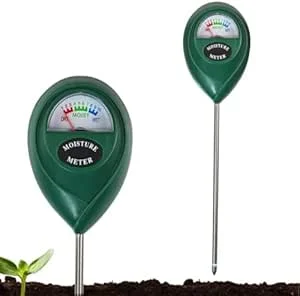 Soil moisture meterHelps check whether the root zone is actually ready for water.View on Amazon (paid link) ↗
 Digital hygrometerHelps track humidity and temperature around sensitive plants.View on Amazon (paid link) ↗Clip-on grow lightUseful for dim rooms, winter care, and plants stretching toward light.View on Amazon (paid link) ↗
As an Amazon Associate, HomePlantBot may earn from qualifying purchases.
Fertilizing Schedule and Nutrient Needs
ZZ plants aren’t heavy feeders. During the growing season (spring and summer), fertilize once a month with a balanced, diluted liquid fertilizer.
Seasonal Fertilizing Chart
| Season | Frequency | Type |
|---|---|---|
| Spring | Once monthly | Liquid balanced NPK (10-10-10) |
| Summer | Once monthly | Same as Spring |
| Fall/Winter | None | Resting phase |
Too much fertilizer may cause yellow or burned leaf tips. Too little? Expect slower growth.
Need a fertilizing plan? See zz-plant-fertilising-schedule
Potting and Repotting Tips
ZZ plants prefer being snug in their pots. However, if you notice roots poking through drainage holes or your plant drying out unusually fast, it may be time to upgrade to a larger pot, usually every 2–3 years.
Ideal Features in a New Pot
- 1–2 inches wider than the current pot
- Drainage holes to prevent root rot
- Terracotta, plastic, or ceramic materials
Signs Your ZZ is Rootbound
- Stunted growth
- Water runs straight through the pot
- Cracked container or visible root spiral
Common Pests and Diseases
Though generally resistant, ZZ plants can still fall prey to pests and root issues under stress.
Watch For
- Spider mites: Fine webbing, stippled leaves
- Aphids: Clusters on new growth
- Root rot: Mushy roots, yellow or drooping stems
Treatment Options
- Natural: Neem oil spray, insecticidal soap
- Chemical: Systemic pesticides for severe infestations
Get proactive with our zz-plant-pest-primer
Propagation and Pruning Techniques
ZZ plants are easy to propagate, although patience is required. For most reliable results, divide the rhizomes or use leaf/stem cuttings in water or moist soil.
Top Propagation Methods
| Method | Time to Root | Best Season |
|---|---|---|
| Leaf Cuttings | 2–3 months | Spring to Summer |
| Division | Instant (already rooted) | Spring |
Prune browning or dead leaves regularly to keep the plant tidy and healthy. Use clean, sharp scissors or pruners to avoid damaging stems.
Step-by-step propagation guide at zz-plant-propagation-methods
Conclusion: Your ZZ Plant Care Blueprint in Action
To recap, ZZ plants are the ultimate low-maintenance companion for anyone looking to add greenery to their indoor space. With the right lighting, minimal watering, occasional feeding, and the occasional dusting, your ZZ plant will remain glossy and gorgeous all year long.
Bonus Tip: Wipe leaves once a month with a damp cloth to keep them free of dust and enhance photosynthesis.
Enhance plant glow naturally: zz-plant-dust-leaf-shine
Call to Action
Enjoying your ZZ plant’s glossy leaves? Share your care success or troubleshooting questions in the comments below!
Need help choosing the next care step?
If the symptoms in this article match your plant, use Plant Bot or the rescue checklist before buying anything. A quick diagnosis helps you fix the actual cause, not just the most visible symptom.
Quick decision checklist
- Check the growing conditions before changing everything.
- Adjust one care factor at a time.
- Use symptoms to guide the next step.
- Give the plant time to respond after corrections.