
HomePlantBot care guide
Philodendrons Variegated cultivars
Variegated philodendrons are the crown jewels of the houseplant world. Their stunning marbled, striped, or splashed foliage captures attention instantly and makes them one of the most desired additions to any indoor jungle. But there’s more than just beauty behind that mesmerizing leaf pattern — and a bit more responsibility, too.
What you’ll learn in this article
- Understand what variegation means in philodendrons and why it’s prized
- Get to know top variegated philodendron cultivars
- Learn proper light, water, soil, and temperature needs
- Master propagation techniques for variegated types
- Spot and prevent reversion to green growth
- Identify pests and care challenges unique to variegated varieties
- Explore tools to help your variegated philodendrons thrive
Affiliate disclosure: HomePlantBot may earn from qualifying purchases through the Amazon links below, at no extra cost to you.
Introduction and Variegation Overview
So, what exactly is variegation? In botanical terms, variegation is the appearance of differently colored zones on leaves. This results from a reduction or mutation in chlorophyll production, the green pigment responsible for photosynthesis. Some variegation is genetic (stable), while others are chimeric or even virus-induced in rare cases. In philodendrons, the most collectible patterns are typically stable yet slightly unpredictable — making every leaf a unique work of art.
The fascination with philodendrons variegated cultivars continues to spread, especially in rare plant and aroid enthusiast communities. Here are a few hot varieties admired for their exceptional color and pattern:
- Philodendron Pink Princess: Deep green leaves streaked with bubblegum pink
- Philodendron White Knight: Purple stems with bold white leaf patches
- Philodendron Florida Beauty: Multi-lobed leaves with dramatic yellow and cream mottling
- Philodendron Birkin: Upright growth with creamy pinstripes down round dark leaves
- Philodendron Jose Buono: Large, paddle-shaped leaves with splattered cream-yogurt type markings
Before you add one of these beauties to your home, keep in mind: variegated philodendrons are often more sensitive, especially to light and nutritional deficiencies. Some basic care principles differ slightly compared to their all-green counterparts.
For a broader foundation, check out our guide on Philodendrons Care Playbook: Vining vs. Climbing Types.
Light for Variegated Plants
Variegated philodendrons need light — and lots of it. The parts of their leaves that lack chlorophyll (those creamy or pink areas) don’t photosynthesize well. That means the plant has to work harder with fewer green sections.
Best Light Conditions
- Ideal: Bright, indirect light — near a large east- or north-facing window
- Avoid: Harsh direct sunlight which can bleach or burn the lighter areas
- Too little light: Can lead to fading colors or even complete reversion to green
Natural Light Tips
| Window Direction | Light Characteristics | Tips |
|---|---|---|
| East-facing | Morning sun, soft light | Ideal placement for most |
| South-facing | Strong light all day | Use sheer curtain for filtering |
| North-facing | Gentle light, limited hours | Best in summer, may need a grow light in winter |
Grow Lights
Consider a full-spectrum LED grow light if your space lacks natural brightness. Position it about 12–18 inches above the canopy and run for 10–12 hours daily.
Signs of Light Stress
- Too little light: dull colors, leaf drop, leggy growth
- Too much light: leaf burn, crispy or scorched variegation
Watering and Soil Needs
While variegated philodendrons follow many of the same watering rules as their non-variegated relatives, they are less tolerant of extremes. Keeping them evenly moist — never soggy, never bone dry — is key.
Soil Mix Recipe
A well-aerated mix prevents root suffocation and encourages healthy microbial life.
- 1 part orchid bark
- 1 part perlite
- 1 part coco coir or peat moss
- 1 part worm castings or compost (optional)
How to Know When to Water
- Perform the finger test — if the top inch is dry, it’s time to water
- Use a soil moisture meter for more precision
Warning Signs
- Overwatering: Yellowing leaves, mushy stems, fungus gnats
- Underwatering: Curling edges, dry brown tips, crispy texture
Temperature and Humidity
Variegated philodendrons thrive in steady, warm, and humid conditions. Avoid rapid temperature swings or dry air, which can cause faded variegation or stunted leaves.
Ideal Environment
- Temperature: 65–80°F (18–27°C)
- Humidity: 50–60% minimum — 70% preferred for top performance
How to Boost Humidity
- Use a room humidifier
- Create pebble trays under the pots
- Group plants together to create a microclimate
Helpful products for this care problem
Helpful products for better indoor light
If this is the issue you are solving, these tools can make the next step easier. They are optional, but they match the care problem covered in this article.
 Clip-on grow lightUseful for dim rooms, winter care, and plants stretching toward light.View on Amazon (paid link) ↗Digital hygrometerHelps track humidity and temperature around sensitive plants.View on Amazon (paid link) ↗
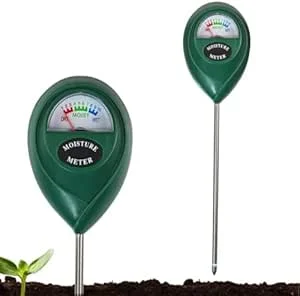 Soil moisture meterHelps check whether the root zone is actually ready for water.View on Amazon (paid link) ↗
As an Amazon Associate, HomePlantBot may earn from qualifying purchases.
Fertilizing and Nutrients
To support colorful growth, variegated philodendrons need just enough nutrients — too much or too little can sabotage their beauty.
Fertilizer Types
- Liquid fertilizer: Balanced 10-10-10 or 20-20-20 monthly during active growth
- Slow-release granules: Ideal for less frequent feeders
Soil Maintenance
- Flush soil with clean water every 2–3 months to prevent salt buildup
Signs of Nutrient Deficiency
- Pale new growth
- Yellow edges on leaves
- Slowed development
Propagation of Variegated Cultivars
Yes — you can propagate variegated philodendrons! The secret is selecting the right cutting and using a patient, sterile technique.
Steps to Propagate
- Use a clean shears to cut just below a node with visible variegation
- Ensure at least one aerial root or node is intact
Propagation Medium Comparison
| Method | Pros | Cons |
|---|---|---|
| Water | Easy to observe roots | Risk of root rot or weak transitions |
| Sphagnum Moss | Moist-retentive, promotes stronger roots | Hard to see root growth, prone to mold |
Timeline
- Roots form in 2–4 weeks
- Transplant when roots are 2–3 inches long
Variegation Retention Tips
- Choose cuttings showing balanced green and variegated areas
- Variegation can be unstable — some plants revert or intensify over time
Preventing Reversion
Reversion — when a beautifully spotted leaf turns solid green — can break a collector’s heart. But it’s not always permanent.
What Causes Reversion?
- Insufficient light
- Environmental stress or lack of nutrients
- Genetic instability in the plant’s growth points
How to Prevent or Reverse
- Improve lighting conditions asap
- Prune off fully reverted growth to favor variegated growth
- Provide consistent warmth and humidity
Pests and Problems
Due to their thinner and multi-pigment leaves, variegated philodendrons often show pests’ damage more clearly — which helps spot issues early.
Common Pests
- Spider mites: Fine webbing under leaves
- Mealybugs: Cottony clumps in stem junctions
- Thrips: Silvery streaks and distorted new growth
Visual Symptoms
Watch for spots, deformities, sticky residue, or color fading. Regularly inspect leaves, especially underside and new growth.
Treatment Options
- Insecticidal soap weekly until resolved
- Neem oil spray as a preventive
- Isolate affected plants
- Wipe leaves with a damp cloth regularly
Conclusion
Philodendrons variegated cultivars are truly special — each leaf tells its own story. While they demand more attention than their plain-green cousins, the reward is worth it. Over time, you’ll learn to “read” your plant’s signals and adjust accordingly.
Whether you already own a rare Pink Princess or are eyeing your first Birkin, remember: consistency is key. Don’t be discouraged by slow growth or minor setbacks. Every plant is different, and with attentive care, your variegated philodendron will shine for years to come.
Want to better understand how your plant grows? Visit our Philodendrons Care Playbook: Vining vs. Climbing Types to tailor your care even further.
Need help choosing the next care step?
If the symptoms in this article match your plant, use Plant Bot or the rescue checklist before buying anything. A quick diagnosis helps you fix the actual cause, not just the most visible symptom.
Quick decision checklist
- Increase light gradually to avoid scorch.
- Rotate the plant for even growth.
- Water less in lower light.
- Watch color and leaf posture for feedback.