
HomePlantBot care guide
ZZ Plant Soil & watering guidelines
Use a draining pot proportionate to the roots and let the mix dry between waterings.
Check the whole root zone before watering a ZZ
Use a draining pot proportionate to the roots and let the mix dry between waterings. A dry top two inches does not prove that a deep pot is dry below. Compare pot weight and moisture deeper in the mix; empty the saucer. NC State describes ZZ's water-storing rhizomes and intolerance of wet roots.
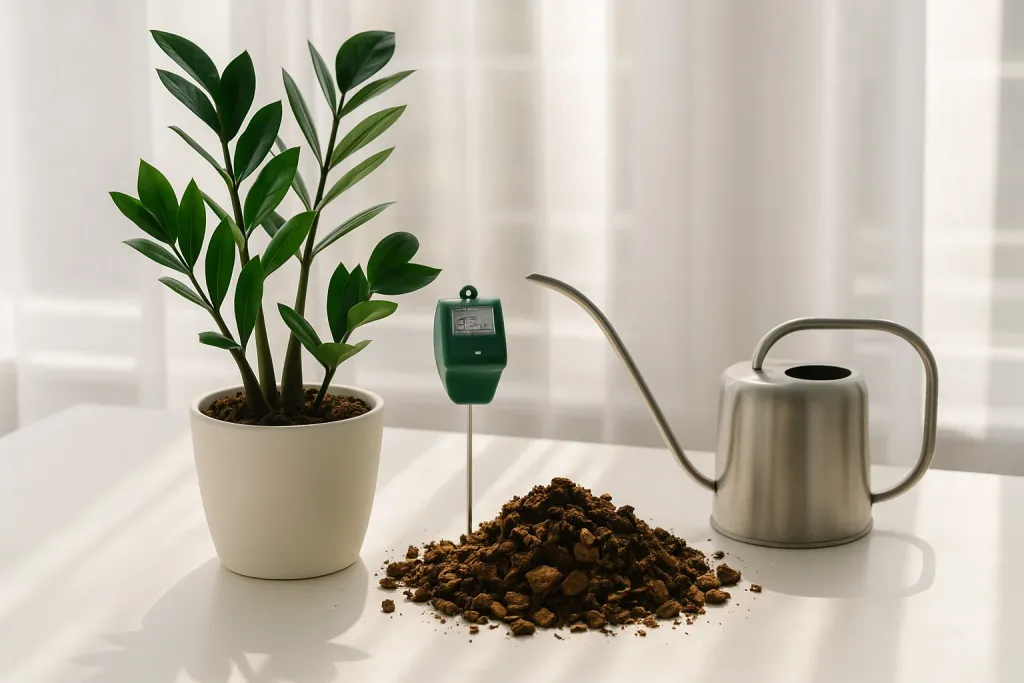
What you’ll learn in this article
- The best soil mix for healthy ZZ plant roots
- How often (and how much) to water your ZZ plant
- Troubleshooting common watering and soil-related issues
- How proper care supports propagation and growth
Affiliate disclosure: HomePlantBot may earn from qualifying purchases through the Amazon links below, at no extra cost to you.
Introduction
ZZ plants, or Zamioculcas zamiifolia, have quickly grown in popularity among houseplant lovers due to their glossy, upright foliage and reputation as a low-maintenance green companion. These tropical perennials thrive even under neglect, making them ideal for beginners and seasoned plant owners alike.
While ZZ plants tolerate a variety of conditions, dialing in proper soil and watering routines is essential for their long-term health and vibrant growth. Neglecting these two crucial elements often leads to issues that are avoidable with a few simple best practices.
In this guide, we’ll walk you through everything you need to know about keeping your ZZ plant happy below the surface — from soil composition to watering schedules, troubleshooting common issues, and even propagation tips.
Overview: ZZ Plant Basics
Native to Eastern Africa, ZZ plants are known for their thick, waxy green leaves and strong rhizomes (underground stems) that store water. These traits allow them to withstand periods of drought and low light, conditions commonly found in offices and apartments.
However, their drought-tolerance doesn’t mean you can plant them in just any soil or forget about watering altogether. ZZ plants require specific conditions to avoid root rot or dehydration and maintain their signature glossy look indoors.
| Care Element | ZZ Plant Needs |
|---|---|
| Light | Bright, indirect light; tolerant of low light |
| Soil | Well-draining, aerated soil |
| Water | Let the root-zone mix dry between waterings; a dry surface alone is insufficient. |
| Temperature | 65–75°F (18–24°C); avoid cold drafts |
Care Requirements: Soil & Watering for ZZ Plants
A. Ideal Soil Composition
The core of a healthy ZZ plant starts with its soil. Good soil supports root breathability, manages moisture absorption, and prevents water from sitting too long — a major cause of root rot.
What Makes Great ZZ Plant Soil?
- Drainage: Excess water must exit easily to avoid soggy roots.
- Aeration: Soil should allow oxygen to reach the rhizomes and roots.
- Moisture Retention: The mix should retain enough moisture for the plant to absorb, without staying wet.
Recommended Soil Mix Ratios
Here’s a DIY blend many ZZ plant enthusiasts swear by:
- 2 parts regular potting soil
- 1 part perlite or coarse sand (for drainage and aeration)
- 1 part compost or coco coir (for light moisture retention)
Commercial Mix Tips
If you prefer a pre-made solution, look for soil marketed for succulents or cacti — these typically offer adequate drainage. Make sure the mix contains components like perlite, bark, and coarse sand, and avoid heavy mixes with peat alone.
Choosing the Right Pot
The container you choose matters just as much as the soil. Go with:
- Drainage holes: Essential to prevent stagnant water buildup
- Material: Terracotta or unglazed clay helps wick away moisture
- Size: Just slightly larger than the root ball to prevent sogging
B. Watering Best Practices
ZZ plants have water-storing rhizomes and – thanks to their water-storing rhizomes – prefer to go dry between waterings.
How Often to Water a ZZ Plant
- Spring/Summer: Check drying throughout the root zone; warmer or brighter conditions may increase water use
- Fall/Winter: Check drying rather than counting weeks; dim or cool conditions may reduce water use
Moisture Testing: The “Finger Test”
Before watering, stick your finger into the soil about 2 inches deep. A dry reading near the surface is only one clue. Check deeper moisture and pot weight before deciding whether the root zone is dry. If damp, wait and reassess.
Over-watering vs Under-watering Symptoms
| Issue | Signs | Solution |
|---|---|---|
| Over-watering | Yellowing leaves, mushy stems, root rot | Let soil dry completely; repot if roots are rotting |
| Under-watering | Wrinkled leaves, dry/hard soil, drooping | Water thoroughly using soak and dry method |
Using the “Soak and Dry” Method
This is an observation-led watering approach for an established ZZ plant, not proof that it is a desert plant. Water thoroughly until it drains from the bottom, then let the root-zone mix dry before watering again. Never let the pot sit in standing water.
Winter Hydration Tips
- Check drying rather than automatically halving a calendar interval; cool or dim conditions often reduce water use
- Monitor for reduced evaporation in low-light or cooler rooms
- Ensure air circulation to prevent soggy soil
Helpful products for this care problem
Helpful products for soil and repotting
If this is the issue you are solving, these tools can make the next step easier. They are optional, but they match the care problem covered in this article.
 Indoor potting mixA useful base when refreshing compacted or tired soil.View on Amazon (paid link) ↗Repotting matKeeps indoor repotting and root checks cleaner.View on Amazon (paid link) ↗
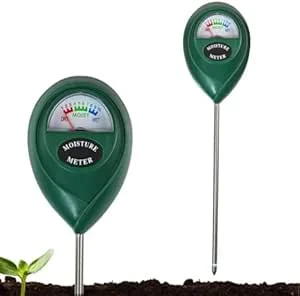 Soil moisture meterHelps check whether the root zone is actually ready for water.View on Amazon (paid link) ↗
As an Amazon Associate, HomePlantBot may earn from qualifying purchases.
Common Issues Related to Soil & Watering
Compacted or Poor-Draining Soil
If water pools on the surface or isn’t absorbed within a minute, your soil may be too dense or compacted. Mix in perlite or repot altogether to improve drainage.
Root Rot
Root rot occurs when roots sit in soggy soil for too long. Signs include black, mushy roots that smell foul. To treat:
- Remove plant from pot and inspect roots
- Trim away black or smelly sections
- Repot in fresh, dry soil and don’t water for several days
Yellowing Leaves, Stunted Growth, and Mushy Stems
Each of these can point to root problems caused by overwatering or compacted soil. Remove the plant, examine the root structure, and adjust both soil and watering techniques as needed.
Pest Problems
Moist soil can attract fungus gnats and other pests. Encourage healthier soil by letting the top layer dry between waterings, using sticky traps, and maintaining balanced humidity.
➡️ For a complete overview of plant care beyond soil and water, visit our ZZ Plant Care Blueprint.
ZZ Plant Propagation (Rooting Success Starts in the Soil)
Soil & Hydration Tips for Propagation
Propagation through leaf cuttings or division relies on correct soil conditions. Stagnant or compacted soil can prevent new roots from forming.
Best Mediums: Water vs Soil
| Method | Pros | Cons |
|---|---|---|
| Water | Can watch root formation; easy to monitor | Transferring to soil later can shock the plant |
| Soil | Avoids a later water-to-soil transfer; growth is not guaranteed | Slower rooting; requires well-draining soil |
Step-by-Step ZZ Propagation in Soil
- Cut a healthy leaflet or divide a section with rhizome attached
- Allow the cut end to callous for 1–2 days
- Plant in a small pot with moistened, well-draining soil
- Place in indirect light and maintain light humidity
- Keep soil lightly moist (not wet); roots form in 1–3 months
Conclusion
Growing a healthy ZZ plant isn’t complicated, but it does rely on the right balance of soil structure and watering habits. A loose, well-draining soil mix coupled with the soak-and-dry method sets your plant up for long-term success. Watch for signs of root stress, pests, or overhydration, and make small adjustments along the way.
Whether you’re starting fresh or propagating new shoots, trust that your ZZ plant will reward you with resilient, lush growth.
Want to level up your houseplant care even more? Explore our ZZ Plant Care Blueprint for holistic maintenance tips.
Need help choosing the next care step?
If the symptoms in this article match your plant, use Plant Bot or the rescue checklist before buying anything. A quick diagnosis helps you fix the actual cause, not just the most visible symptom.
Quick decision checklist
- Refresh compacted mix before roots decline.
- Choose a pot size that matches the root ball.
- Check moisture deeper than the surface.
- Stabilize the plant after repotting before fertilizing.
Sources for these care checks
These references support the corrected principles and evidence limits above; they do not establish trials or success rates for every cultivar, product or growing setup.