
HomePlantBot care guide
Light Requirements for Indoor Plants: The Complete Guide
Understanding how much light your houseplants need is one of the most important factors for keeping them healthy and growing strong. Different plants thrive under different lighting conditions, and even the location of your windows can make a big difference. This guide breaks it all down for you—whether you’re placing a snake plant in a shady hallway or giving your monstera a prime spot by the window.
Affiliate disclosure: HomePlantBot may earn from qualifying purchases through the Amazon links below, at no extra cost to you.
🌟 Quick Summary
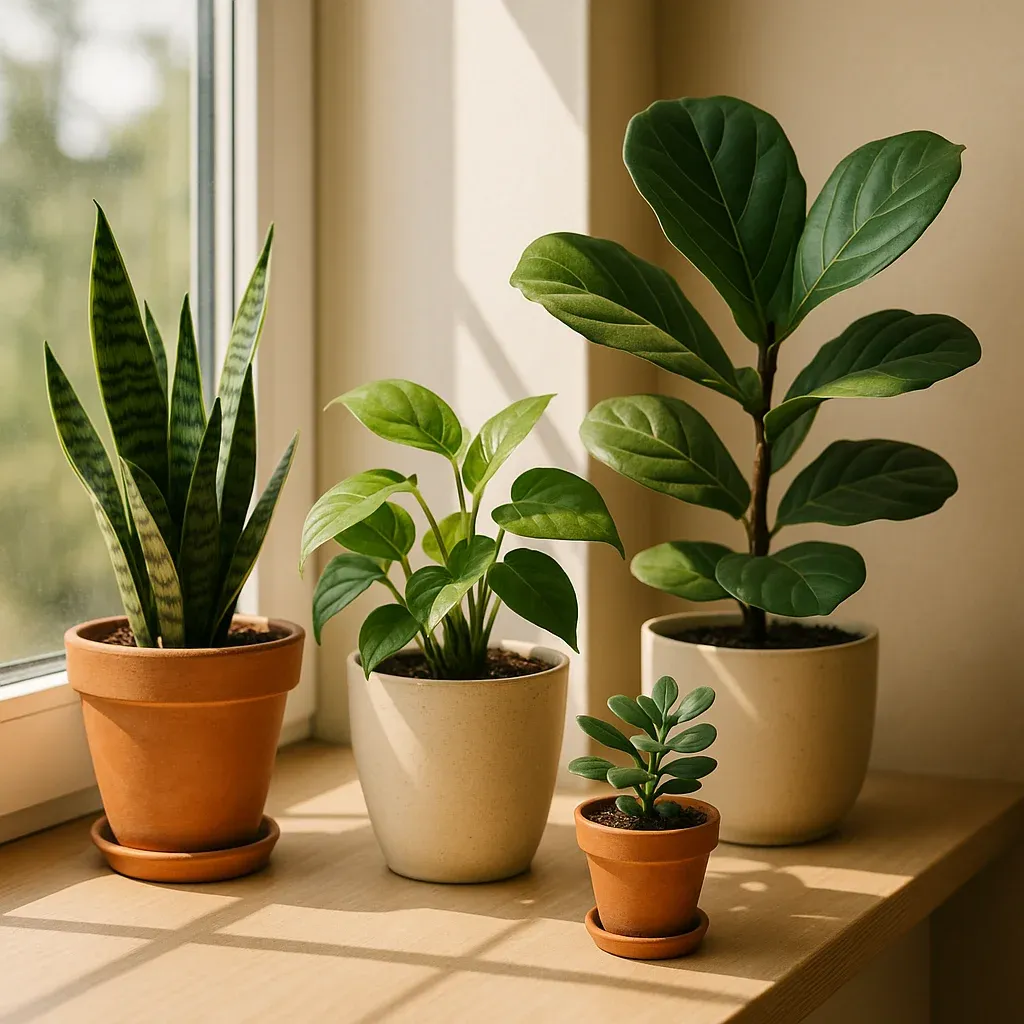
Low Light: Ideal for plants like ZZ, snake plant, peace lily. Room with north-facing windows or a few feet away from brighter windows.
Medium Light: Best for pothos, dracaena, philodendron. East- or west-facing windows, filtered sun in south windows.
Bright Indirect Light: Great for ferns, Monsteras, prayer plants. Near sunny window but out of direct rays.
High Light / Direct Sun: Succulents, cacti, fiddle leaf figs, some palms. Use south/south-west exposures with no filtering.
Duration: Most houseplants need 6–12 hrs natural light; grow lights should mimic this (12–16 hrs with 8 hrs dark).
Signs: Too little light → leggy growth, slow leaves, pale color. Too much → scorched or bleached leaves.
Tools: Use a light meter or foot-candle app; test by observing how much sky vs. direct sun is visible.
1. Understanding Light Types & Measurements
To provide the right care for your houseplants, it helps to understand what different types of light mean and how to measure them. Not all “bright rooms” are created equal, and knowing whether your plant is getting direct, indirect, or filtered light can make or break its health.
Direct vs Indirect vs Filtered Light
Direct sunlight hits leaves directly—use for high-light plants (cacti, succulents, fiddle leaf figs).
Indirect light is diffused or bounced—ideal for most tropical indoor plants.
Filtered or dappled light passes through curtains or is reflected—provides bright but gentle illumination.
Measuring Light
Foot-candles (fc) or µmol PAR levels give precise insight:
Low: 50–200 fc / 5–20 µmol
Medium: 200–400 fc / 20–40 µmol
Bright indirect: 400–800 fc / 40–80 µmol
High/direct: 800+ fc / 80+ µmol
Use smartphone apps or handheld meters to measure.
2. Light Levels by Plant Category
Different types of houseplants prefer different amounts and intensities of light. This chart outlines the typical needs for common categories of plants so you can match your plant with the best spot in your home.
| Light Level | Conditions | Plant Examples |
|---|---|---|
| Low Light | North window, shaded corner | ZZ plant, snake plant, peace lily |
| Medium Light | East/west window; some filtered sun | Pothos, dracaena, philodendron, Chinese evergreen |
| Bright Indirect | Near south window but filtered | Monstera, prayer plant, ferns |
| Direct/High | South/southwest window, 4+ hrs direct sun | Cacti, succulents, fiddle leaf fig |
3. Finding Light in Your Home
Your home’s layout, window orientation, and even time of day can all influence how much light your plant receives. Here’s how to assess and optimize your space to meet your plant’s needs.
Map your windows
North = low light; East/West = medium; South/SW = bright/direct
Observe light patterns
Track how light shifts during the day—early morning light is mild; midday sun is strongest.
Use sheer curtains
Softens harsh rays into bright indirect light.
Measure with a meter
Check light levels at placement point for 1–3 hours midday to confirm category.
4. Common Light-Related Problems
If your plant isn’t looking its best, light might be the culprit. Use these symptoms as a quick diagnostic tool to help identify what needs adjusting.
Leggy growth, pale leaves, slow growth = not enough light.
Brown spots, crispy edges = too much direct sun, especially afternoon rays.
Leaf bleaching = over-exposure to direct sun on sensitive plants (e.g. ferns, Maranta).
Stress signs = yellowing, wilting, drop of lower leaves.
Helpful products for this care problem
Helpful products for better indoor light
If this is the issue you are solving, these tools can make the next step easier. They are optional, but they match the care problem covered in this article.
 Clip-on grow lightUseful for dim rooms, winter care, and plants stretching toward light.View on Amazon (paid link) ↗Digital hygrometerHelps track humidity and temperature around sensitive plants.View on Amazon (paid link) ↗
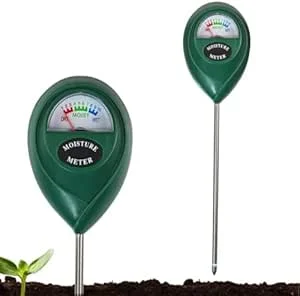 Soil moisture meterHelps check whether the root zone is actually ready for water.View on Amazon (paid link) ↗
As an Amazon Associate, HomePlantBot may earn from qualifying purchases.
5. Using Grow Lights to Fill Gaps
Not every space has the perfect natural light. That’s where grow lights come in handy. These tools can supplement or replace sunlight to keep your plants thriving.
Ensure 12 hours on, 8 hours off, extending natural light when needed.
LED grow lights are efficient and spectrum-tailored; place 12–18″ above plants.
Increase watering frequency as light intensity increases.
6. Seasonal Adjustments
Seasonal changes can dramatically affect the quality and quantity of natural light. Here’s how to adapt your plant care with the seasons.
Winter: light is weaker and days are shorter—shift plants toward windows or extend with grow lights.
Summer: be cautious of midday sun; move plants slightly back or add sheer curtains.
7. Quick Placement Tips
These quick guidelines can help you place common houseplants in the right lighting conditions, saving you from trial and error.
ZZ, snake plant, peace lily → Low-light, north window or back-of-room corner.
Pothos, dracaena, philodendron → Medium light, east/west window 2–4 ft back.
Ferns, prayer plants, Monstera → Bright indirect, filtered south window.
Succulents, cacti, fiddle leaf fig → 4+ hrs direct sun in south/southwest window.
8. When to Re-Check Your Light Setup
Plants grow, homes change, and seasons shift—all reasons to reassess whether your lighting setup is still doing its job.
After seasonal shifts or room rearrangement.
When adding new plants with different light needs.
If your plant shows new signs of stress, and you cross-reference with symptoms above.
✅ Final Takeaway
Matching your plant to the right light level is the #1 factor for plant health. Use window orientation, light meters, and observation. Adjust placement as seasons change and supplement with grow lights if needed. With the right light, you’re well on your way to a thriving indoor jungle 🌿
Need help choosing the next care step?
If the symptoms in this article match your plant, use Plant Bot or the rescue checklist before buying anything. A quick diagnosis helps you fix the actual cause, not just the most visible symptom.
Quick decision checklist
- Increase light gradually to avoid scorch.
- Rotate the plant for even growth.
- Water less in lower light.
- Watch color and leaf posture for feedback.