
Featured guide
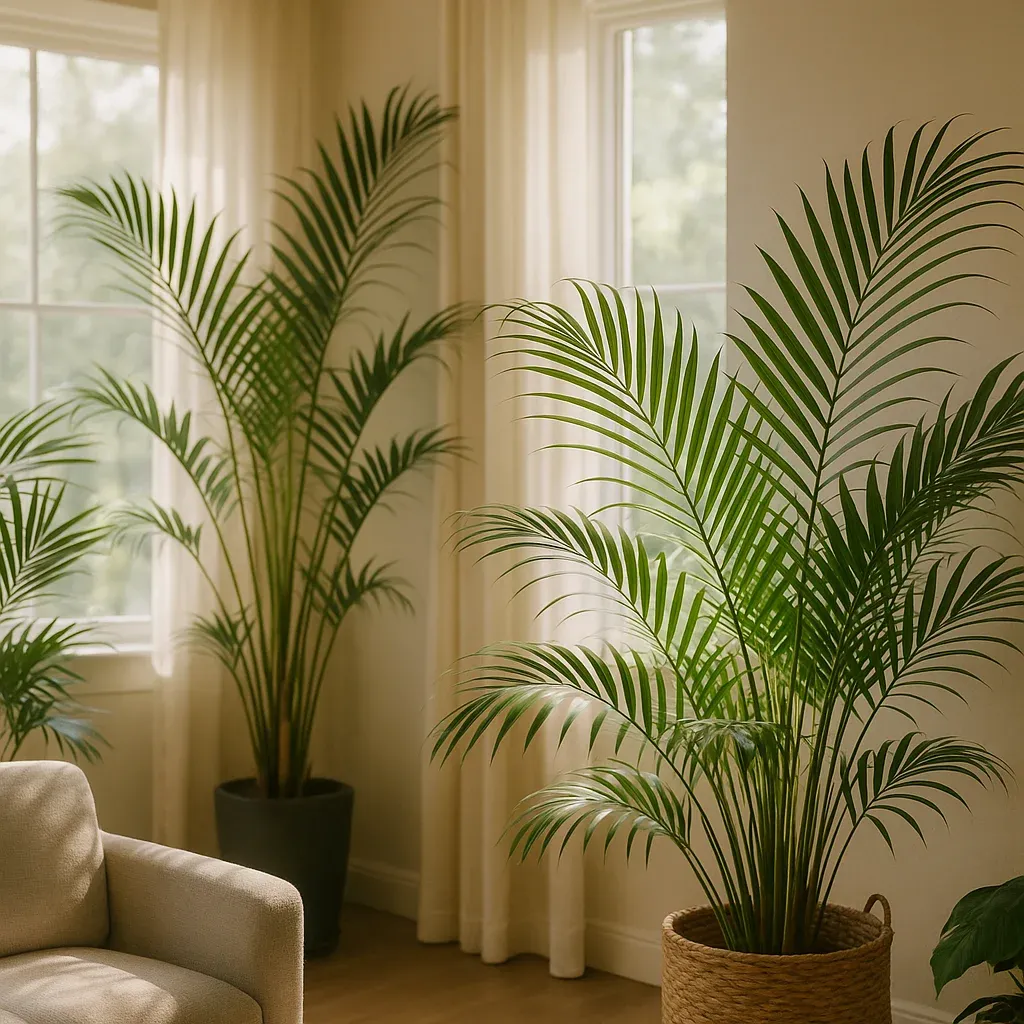
Indoor Palms Light levels indoors
Identify the species and assess the light reaching its fronds. Window direction and distance alone cannot establish a PPFD reading. Change exposure…
Read the guidetag archive
55 HomePlantBot plant-care articles.
Featured guide
Identify the species and assess the light reaching its fronds. Window direction and distance alone cannot establish a PPFD reading. Change exposure…
Read the guide
Care guide
First check species, light, roots, moisture and recent feeding. Yellow fronds alone do not prove nitrogen deficiency. If healthy active growth and the…
Read the guide
Care guide
Identify the Dracaena, then compare its current exposure with new growth and recent changes. Window direction, distance and room brightness alone do not…
Read the guide
Care guide
Choose suitable light and a draining mix, then water by observed drying rather than a fixed interval. Brown tips have multiple possible causes. Check…
Read the guide
Care guide
Check the identified Anthurium, available light, root conditions and recent changes. Browning is not proof of low humidity. Keep room condensation and…
Read the guide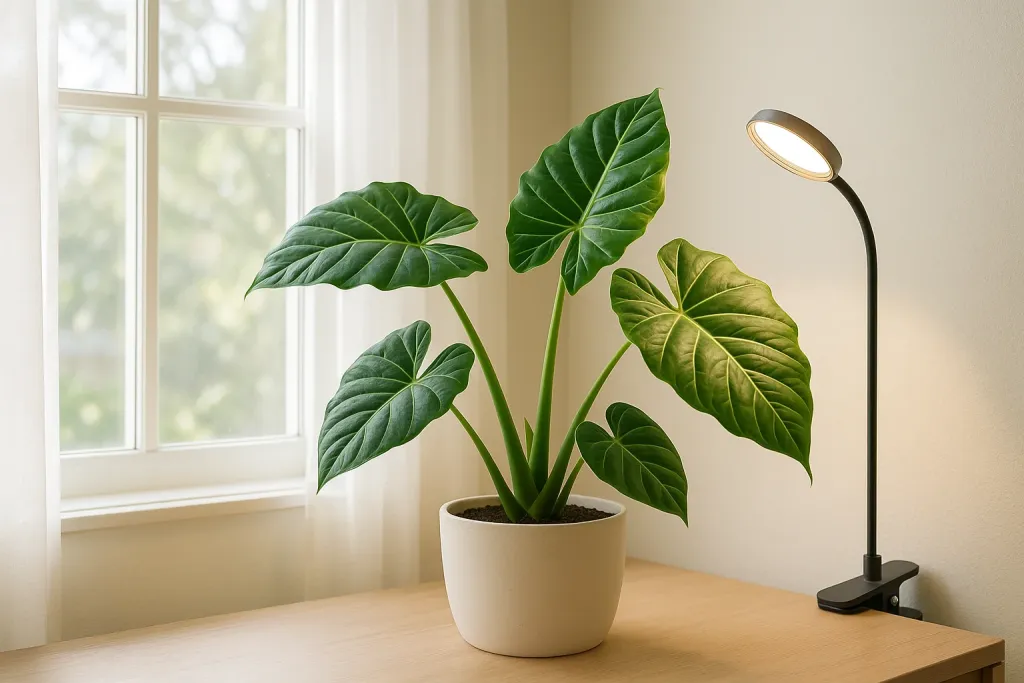
Care guide
Identify the species and assess light at its leaves. Change placement gradually and watch new growth, bleaching and heat. A window direction or fixed lamp…
Read the guide
Care guide
Check active growth, root health and nutrients already in the mix before adding fertilizer. NPK numbers and a fractional dose do not make every…
Read the guideCare guide
Start with the scientific name and growth habit, then compare leaf shape and pattern. The table is a starting comparison, not a guarantee that every…
Read the guideCare guide
Identify the cultivar and assess usable light at the leaves, then change exposure gradually. Not every silver stripe represents missing chlorophyll, and…
Read the guideCare guide
Identify the species and growth habit before choosing watering or propagation methods. The genus includes plants with different moisture needs; a…
Read the guide
Care guide
Use the actual exposure at the leaves and make gradual changes. A window direction, a distance or a faded pattern cannot establish a universal PPFD…
Read the guide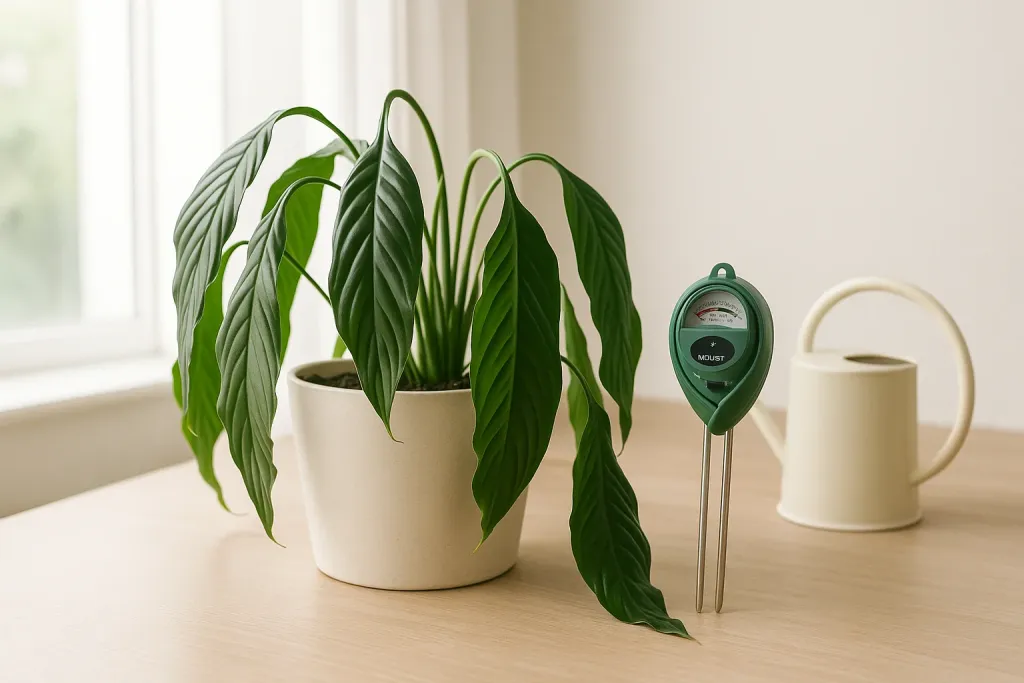
Care guide
Learn the light conditions peace lilies need for healthy leaves and blooms, including window direction, grow-light timing, distance, and warning signs.
Read the guideCare guide
Check maturity, light and the actual cultivar first. Peace lilies need modest feeding; extra phosphorus is not a substitute for suitable growing…
Read the guide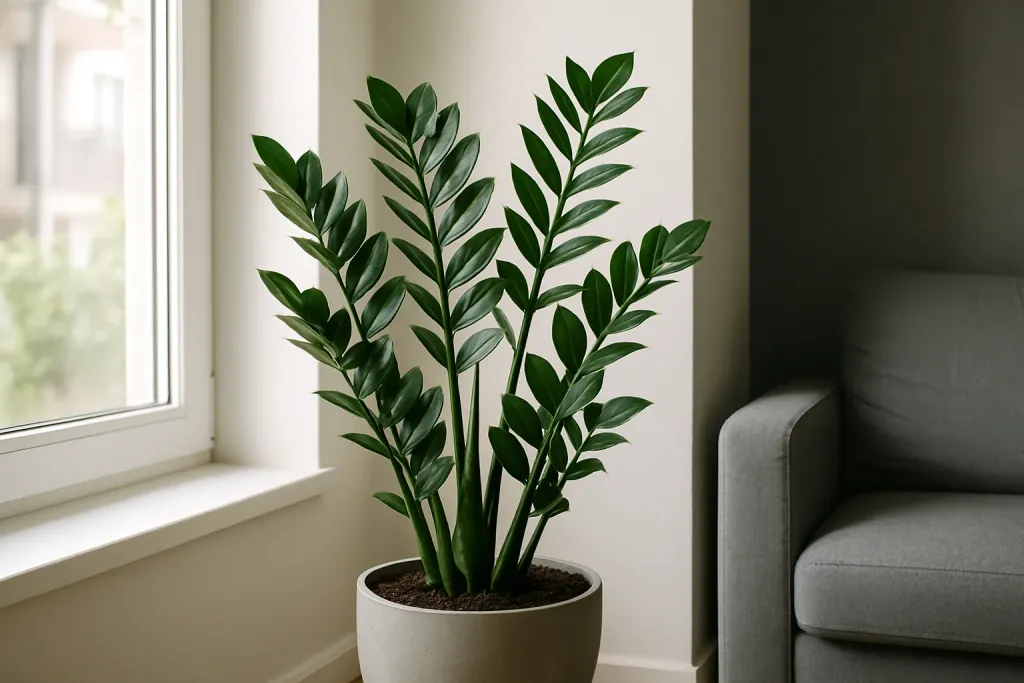
Care guide
Give ZZ appropriate indirect light and evaluate the actual leaf position. A window distance, phone reading or fixture color does not by itself establish…
Read the guide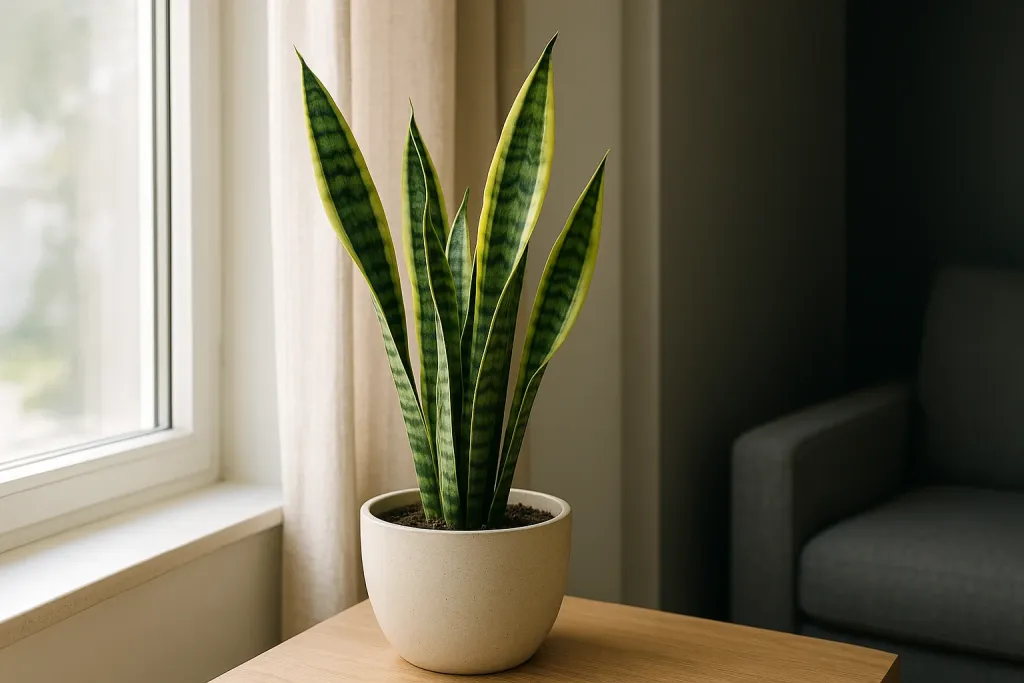
Care guide
A snake plant can tolerate less light than many plants, but a dark room still needs suitable artificial light. Compare the actual leaf-level exposure and…
Read the guide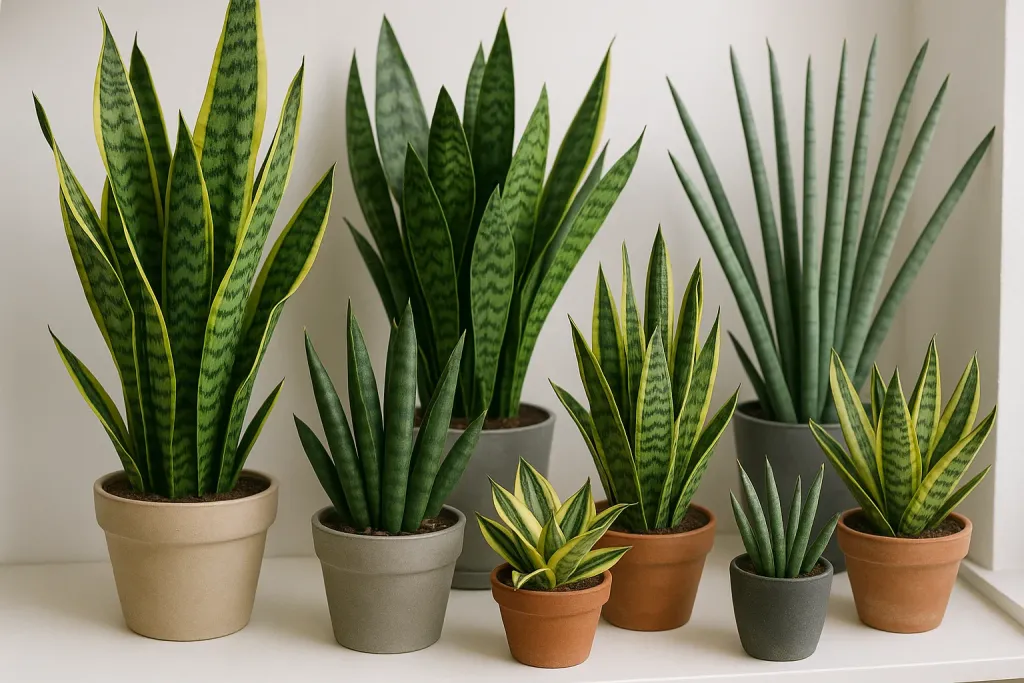
Care guide
Snake plant is a common name covering multiple species and cultivars. Verify the nursery label rather than treating every plant listed here as Dracaena…
Read the guide
Care guide
Observe new leaf spacing and growth, and measure at the leaves when possible. Window direction and lamp distance alone do not predict usable light.…
Read the guideCare guide
No. Verify the scientific name as well as the sales label. Cebu Blue belongs to Epipremnum pinnatum, while Satin Pothos refers to Scindapsus pictus.…
Read the guideCare guide
Compare three lighting setups for philodendrons, understand timer limitations, and adjust light at leaf level without a universal distance rule.
Read the guideCare guide
Assess leaf-level light, root-zone moisture and a clear drainage path. Keep a sturdy support for a climbing plant. Water when needed and drain excess; use…
Read the guideCare guide
Check the root zone and drainage before watering a wilted plant. If the mix is dry and repels water, rewet it evenly and let it drain; if it is wet,…
Read the guideCare guide
Inspect each pot before departure and water only those that need it. Test wicks, pumps, light restart behavior and room conditions in advance. Give a…
Read the guideCare guide
Measure the need before adding equipment. Check light at the leaves and room humidity, compare the actual appliance rating and runtime, and use a…
Read the guideCare guide
Find out its species and previous growing conditions, then make gradual light changes while observing its response. A five-day table is an example rather…
Read the guideCare guide
Hemisphere, season, obstructions, glass and distance all affect the actual light reaching leaves. Inspect the intended position through the day; there is…
Read the guideCare guide
Measure usable light at its leaves and leave space to work and inspect it. Eye level and bulb color temperature do not measure plant light. Water away…
Read the guideCare guide
Match the available light, placement and your sensitivity to fragrance. Do not rely on a plant to remove VOCs, provide clean breathing air or treat sleep…
Read the guideCare guide
Check that the chosen herb gets enough light and has its own appropriately sized draining container. A bright-looking kitchen may still be too dim. Use a…
Read the guideCare guide
Basil and thyme need substantial light; mint and chives have different moisture habits. Separate pots make those differences easier to manage. A…
Read the guideCare guide
Start with a correctly identified culinary herb, adequate light, suitable water and clean harvest tools. Use only treatments labeled for the actual edible…
Read the guideCare guide
Include the whole plant, leaf top and underside, stem/node, base and a size reference. Keep natural color and useful detail; excessive blur or filters can…
Read the guideCare guide
Record the proposed spot in the morning, midday and afternoon, including direct-sun periods and seasonal obstructions. Check light at the top and lower…
Read the guideCare guide
Use consistent units and measurement methods. A moisture percentage from one sensor may not compare with another; a single light reading is not a daily…
Read the guideCare guide
A smart plug controls electricity, not every device's own buttons or safety controls. Check the exact appliance instructions, voltage/current and load…
Read the guideCare guide
A moisture probe, pH electrode, conductivity meter and light sensor measure different things. Check the instrument's intended medium, units, calibration…
Read the guideCare guide
A lamp setting, wattage or “full-spectrum” label does not establish light at the leaves. Check several canopy positions and include daylight when planning…
Read the guideCare guide
Check the species and forecast before moving outside. Start in a sheltered, shaded place and observe daily. Some foliage plants should remain in bright…
Read the guideCare guide
A balanced closed terrarium does not need routine daily opening. Observe condensation, moisture and plant health. Briefly vent excess moisture when…
Read the guideCare guide
Compare a pot-clip light, shelf bars and a vertical floor light with researched specifications, timer limits and a practical setup worksheet.
Read the guideCare guide
Give the identified plant adequate light and a draining container, and check the root zone before watering. Household plant care does not establish that…
Read the guideCare guide
Identify the genus and, where possible, the species or hybrid. Phalaenopsis, Cattleya, Dendrobium and Oncidium do not share one watering or rest schedule.…
Read the guideCare guide
Identify the plant and its growth habit first, then provide useful indirect light, a draining pot and observation-led watering. Heartleaf philodendron can…
Read the guideCare guide
Check moisture through the actual root zone and whether the pot drains. A dry surface is one clue, while a drooping vine can be too dry or too wet. After…
Read the guideCare guide
Choose a plant whose eventual size fits a location with suitable bright indirect light. Use a draining pot, inspect the root-zone moisture before watering…
Read the guideCare guide
ZZ stores water in underground rhizomes. Let the mix dry between waterings and check drainage, moisture and tissue condition before responding to curled…
Read the guideCare guide
Use suitable light, a draining pot and moisture checks rather than waiting for repeated severe wilting. Protect it from cold and direct HVAC blasts. Brown…
Read the guideCare guide
Give appropriate indirect light, drainage and an observation-led watering routine. Brown tips can have several causes, including fertilizer and water…
Read the guideCare guide
Provide usable light, room for a climbing vine, support and a draining pot. Water from observations of the mix rather than leaf droop alone. Choose it for…
Read the guideCare guide
For Dracaena trifasciata, give suitable light and a draining pot, then let the mix dry between waterings. A calendar is a reminder to check, not an…
Read the guideCare guide
Identify the exact species and preserve its growing point and useful green fronds. A palm is not a generic cane houseplant that can be restarted from a…
Read the guideCare guide
Succulent describes water-storing plants, not a single care recipe. Identify the species, provide appropriate light and a draining container, and adjust…
Read the guideCare guide
Start with the light you can actually provide, then select an identified species and learn its flowering cycle. A low-light survival rating does not…
Read the guideCare guide
Low-light tolerance still requires usable light. A windowless location may need a suitable lamp on a consistent cycle. Water from root-zone observations;…
Read the guide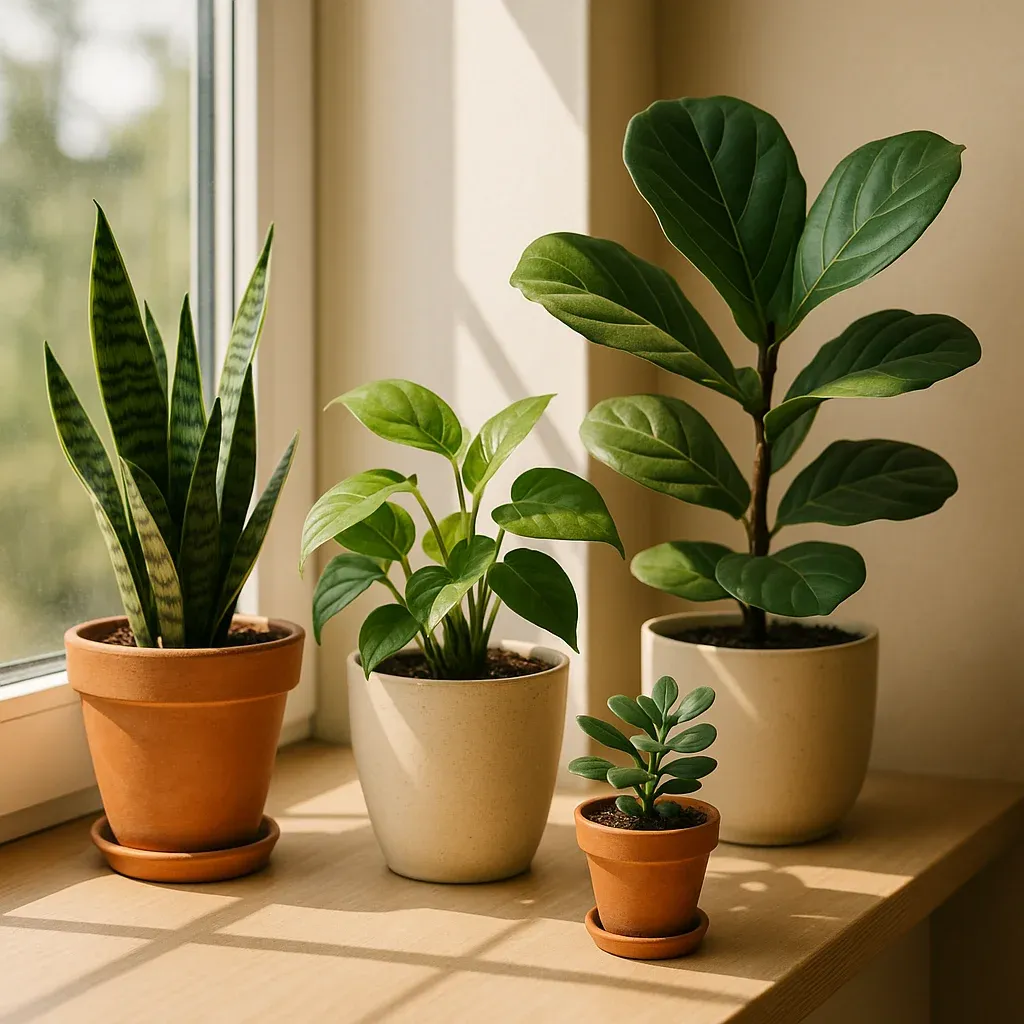
Care guide
Observe light at the leaves over the day and across seasons. Window direction is a clue, not a measurement. Lux, foot-candles and photosynthetic photon…
Read the guideCare guide
Start with plant identity, available light and root-zone moisture. If a plant is declining, record recent changes and inspect roots and pests before…
Read the guide