
Featured guide
Indoor Palms Pest control
Separate the plant, inspect the frond undersides and stem joints, and identify what is present before applying a product. Record what you find; monitoring…
Read the guidetag archive
30 HomePlantBot plant-care articles.
Featured guide
Separate the plant, inspect the frond undersides and stem joints, and identify what is present before applying a product. Record what you find; monitoring…
Read the guide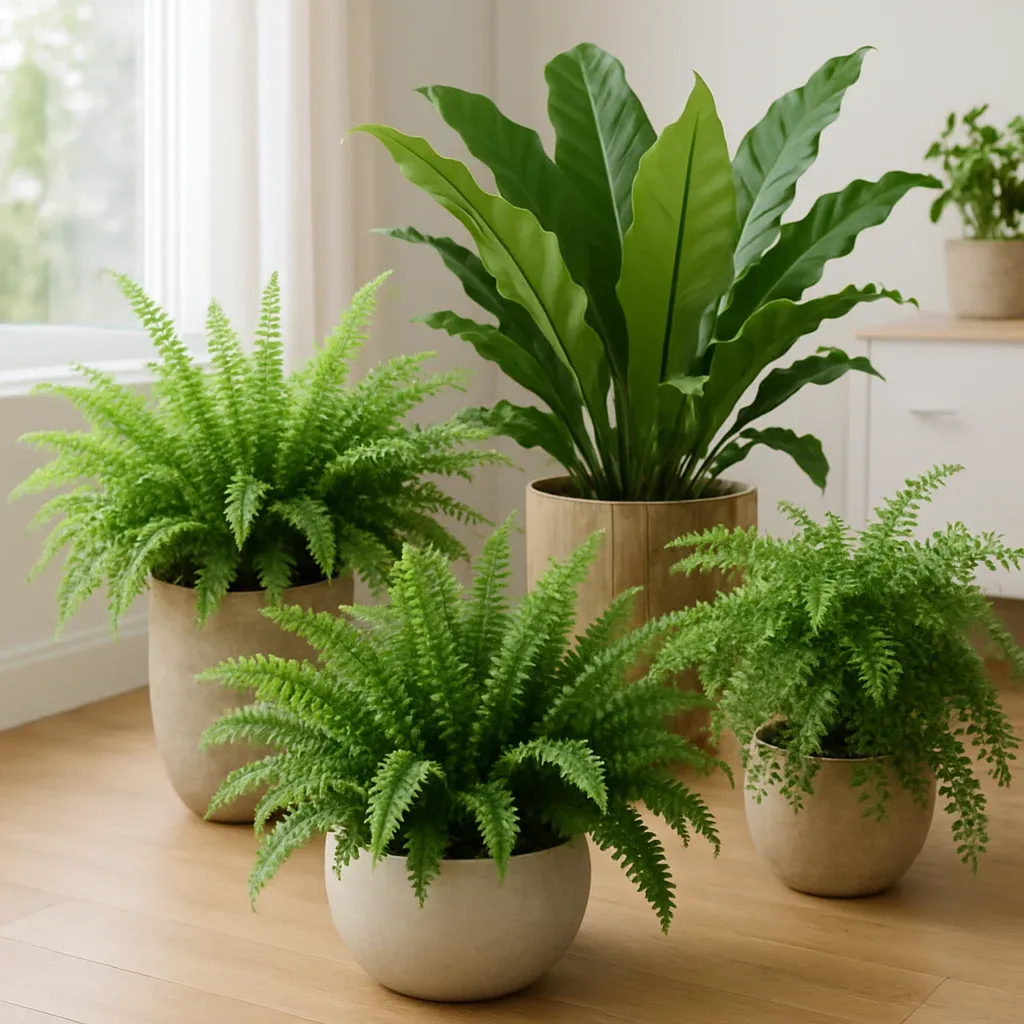
Care guide
Measure conditions at the fronds overnight while preserving suitable light. No fixed distance guarantees protection from a draft or cold glass. Reduce…
Read the guideCare guide
Regular sori on frond undersides can be normal reproductive structures. Look for actual insects, webbing, spreading damage and changes in the crown or…
Read the guide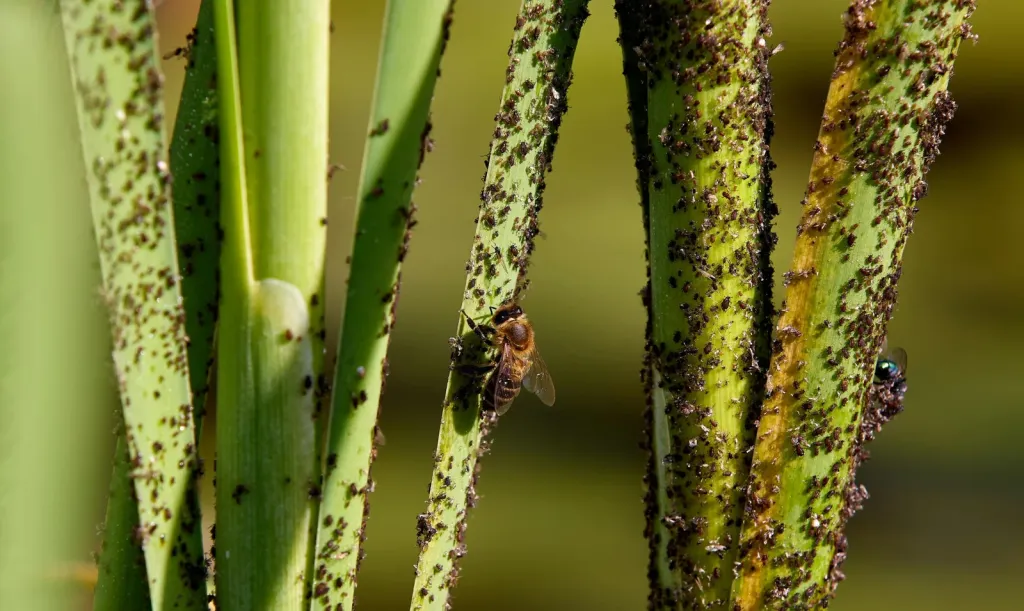
Care guide
Look at leaf bases, undersides and canes for live pests or characteristic signs. Separate an affected plant. For fungus gnats, locate the breeding source;…
Read the guide
Care guide
Separate the plant, inspect leaf undersides and stem joints, and identify the pest before choosing treatment. Match the product and repeat interval to its…
Read the guide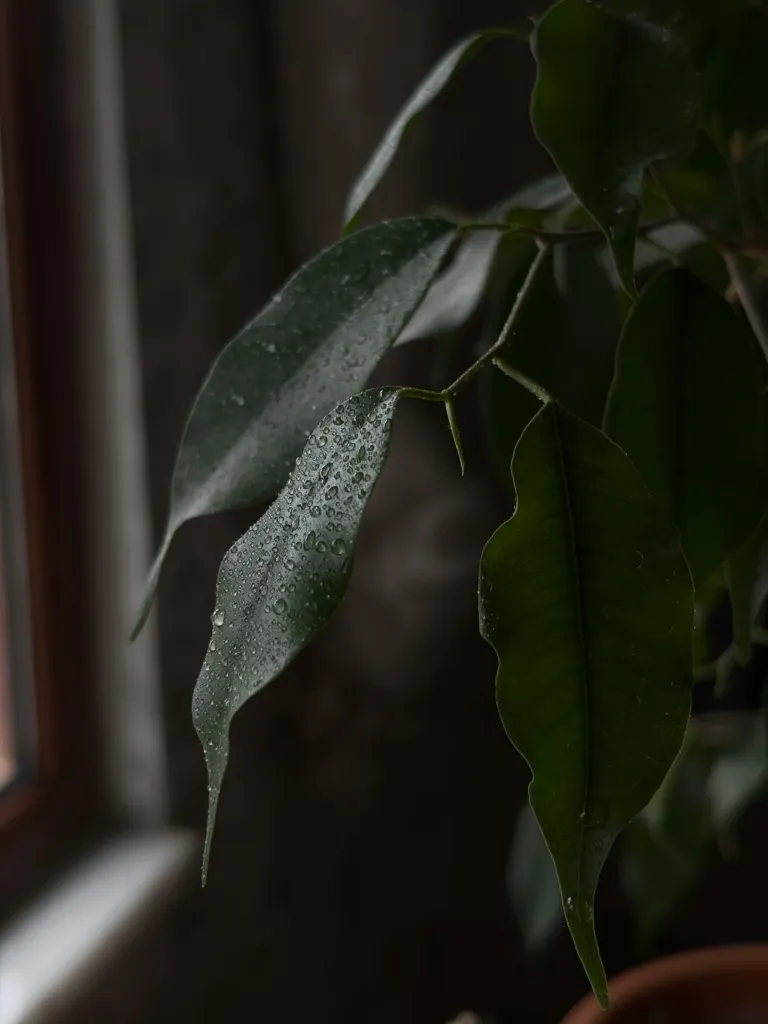
Care guide
Separate the plant if damage is spreading, inspect growing conditions, and minimize contaminated tools and splashing. Bacterial diseases, fungi and water…
Read the guide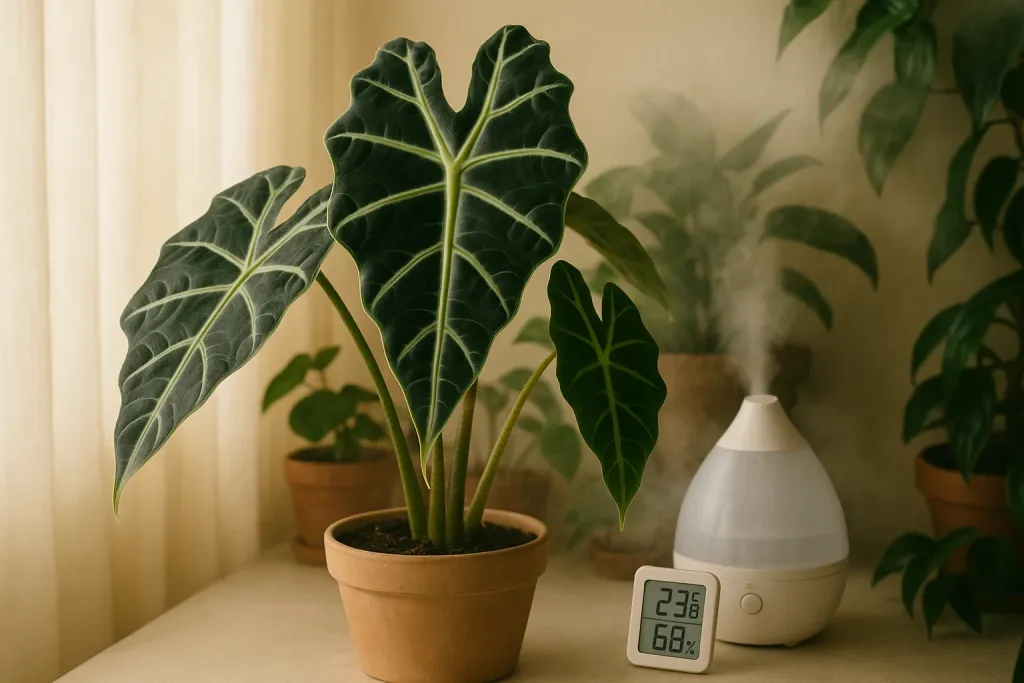
Care guide
Look beneath leaves and around leaf bases for live pests, webbing, cottony clusters or scale covers. Separate the plant while investigating. Match…
Read the guide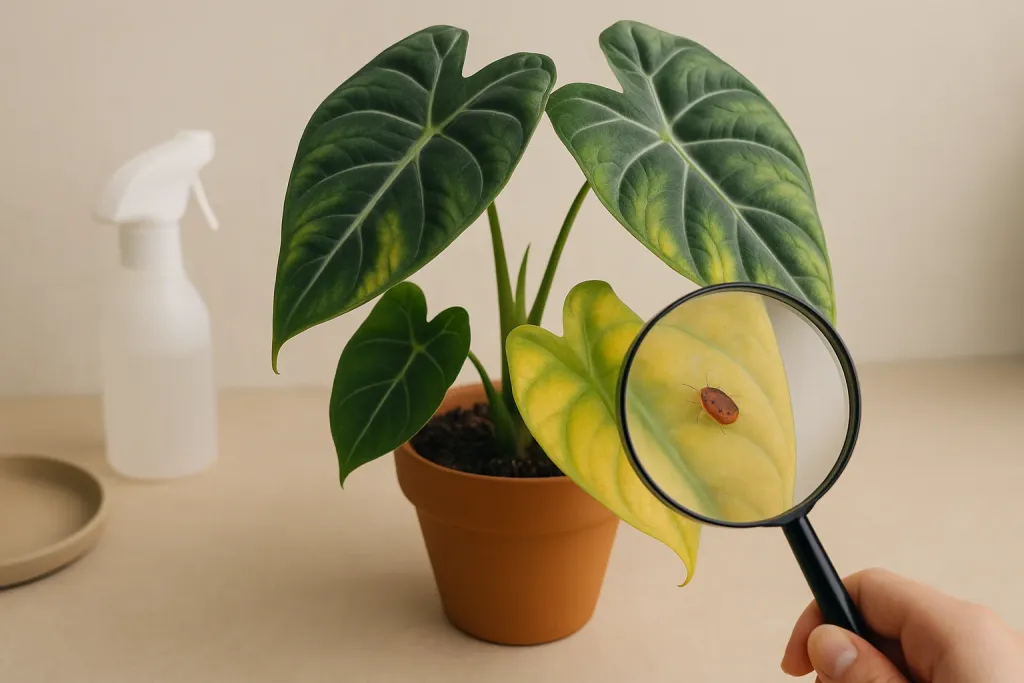
Care guide
Find live mites or their characteristic evidence before treating. For yellowing, check root-zone moisture, roots and recent changes rather than assuming a…
Read the guide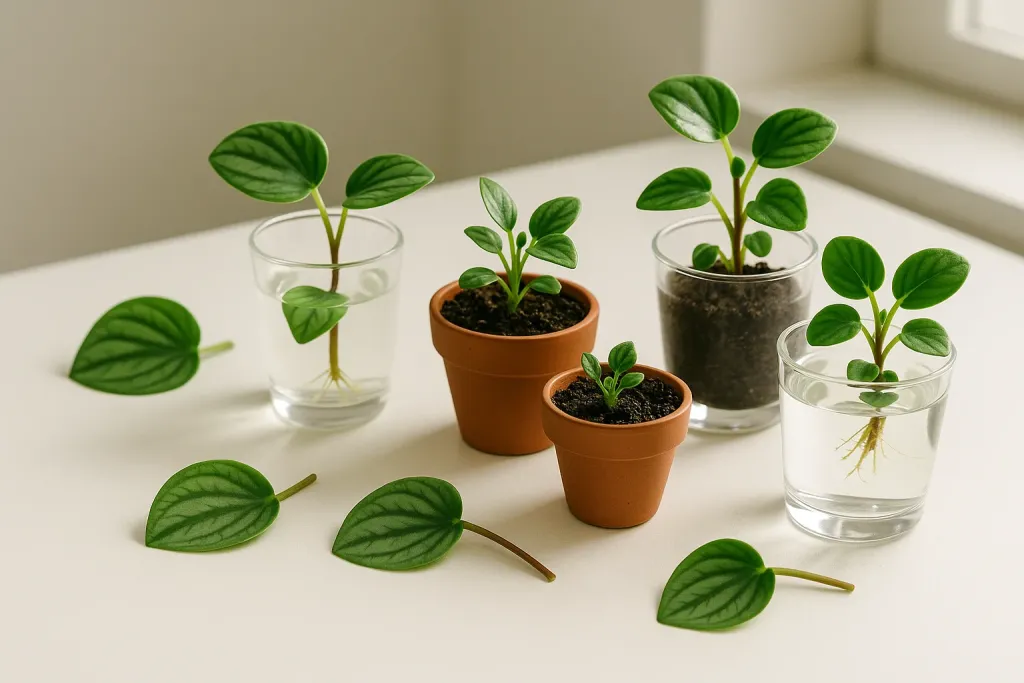
Care guide
Look closely at the insect or affected tissue, record the pattern and separate a suspect plant. Wet-root decline, insect feeding and infectious spots need…
Read the guide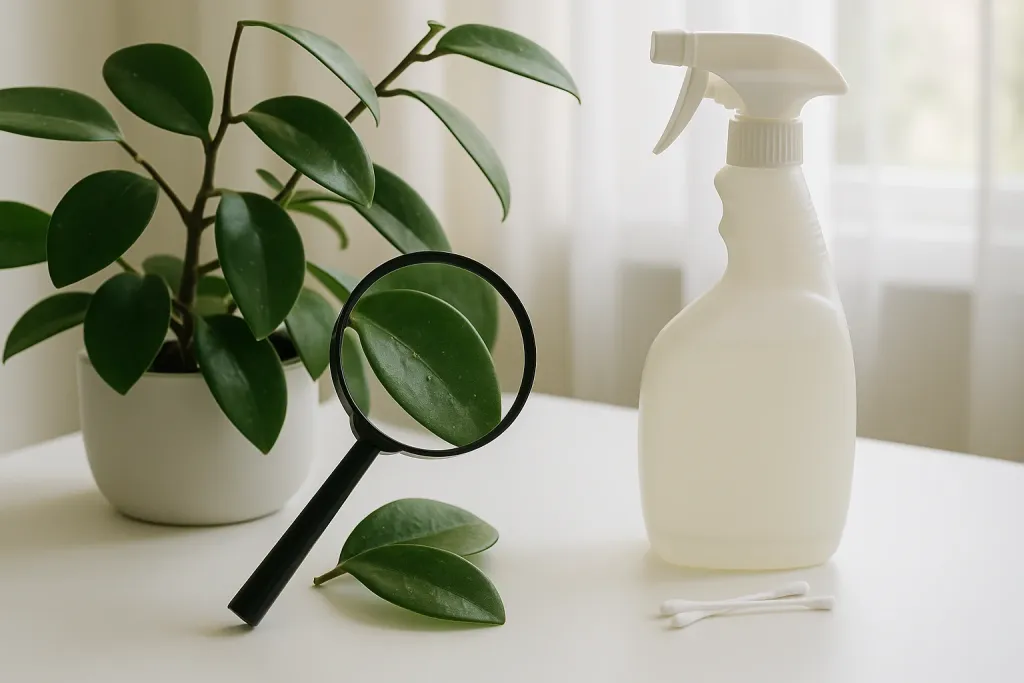
Care guide
Identify what is present and where: foliage feeders and larvae in the mix need different approaches. Isolate, inspect hidden leaf junctions and start with…
Read the guide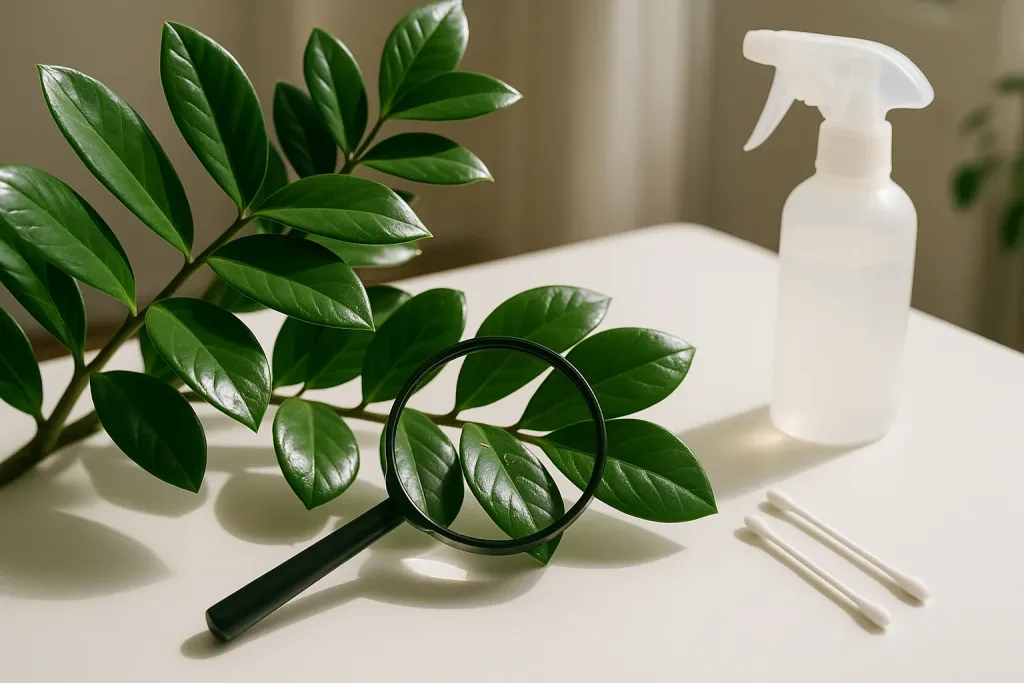
Care guide
Isolate the plant and inspect leaf undersides and bases. Flying gnats, cottony mealybugs and fine mite webbing call for different checks and treatments.…
Read the guide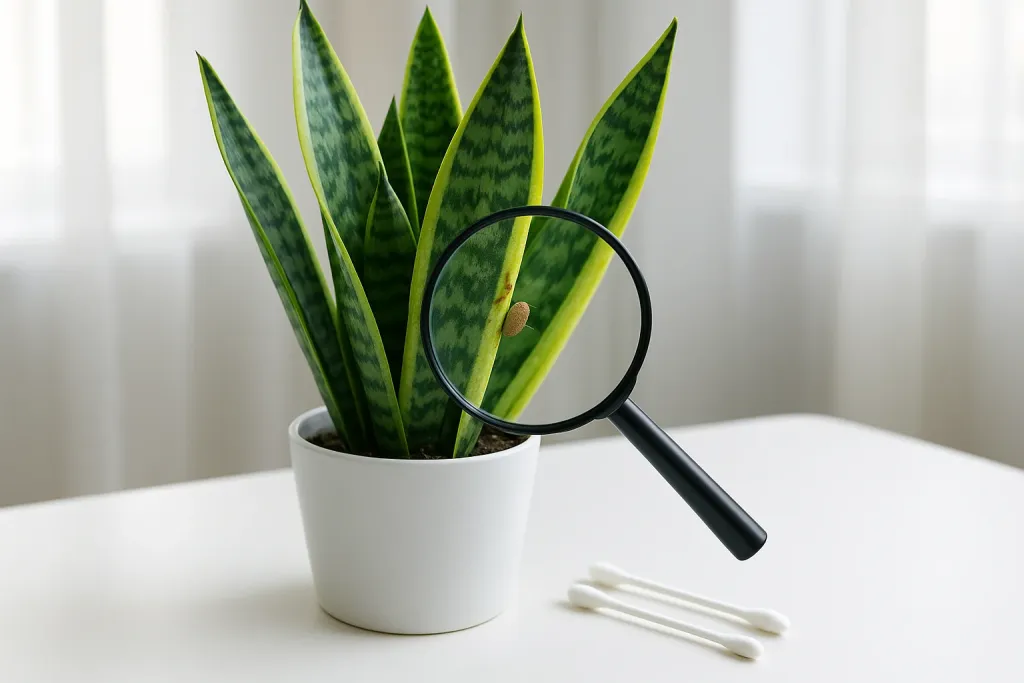
Care guide
Isolate the plant and inspect leaf bases and undersides with magnification. Record actual insects, webbing or sticky residue; yellow leaves alone are not…
Read the guide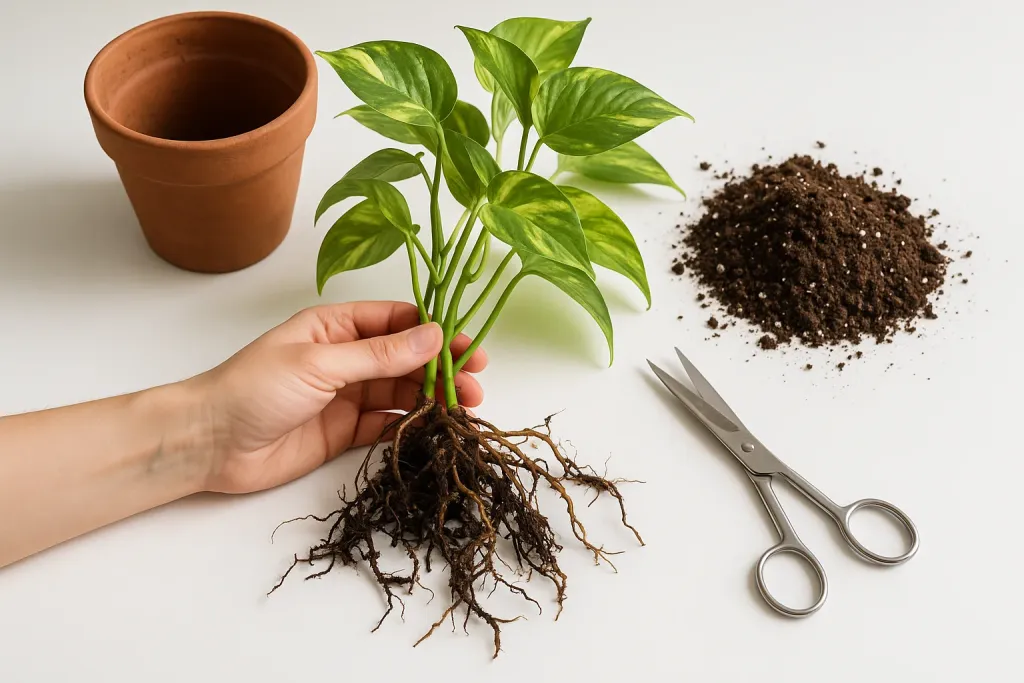
Care guide
A limp pothos can have dry roots or damaged wet roots. Check drainage, moisture, root firmness and the stem base before adding water. Preserve firm…
Read the guideCare guide
Find and identify the pest first. Separate suspect plants and record the damage. Similar spots can have several causes; a fungicide does not treat every…
Read the guideCare guide
Look at both sides of leaves, stem joints, the pot and drainage area before mixing a new plant into the collection. Keep uncertain arrivals separate and…
Read the guideCare guide
For leggy herbs, check the species, actual light and pruning habit. For white patches, inspect both leaf surfaces and distinguish residue, powdery mildew…
Read the guideCare guide
Condensation is part of a closed terrarium’s water cycle. Persistent saturation, pooled water, soft tissue or decay need attention. Remove accessible…
Read the guideCare guide
Some condensation belongs to the water cycle. Investigate excessive moisture, decaying material or soft failing tissue separately. Remove dead material,…
Read the guideCare guide
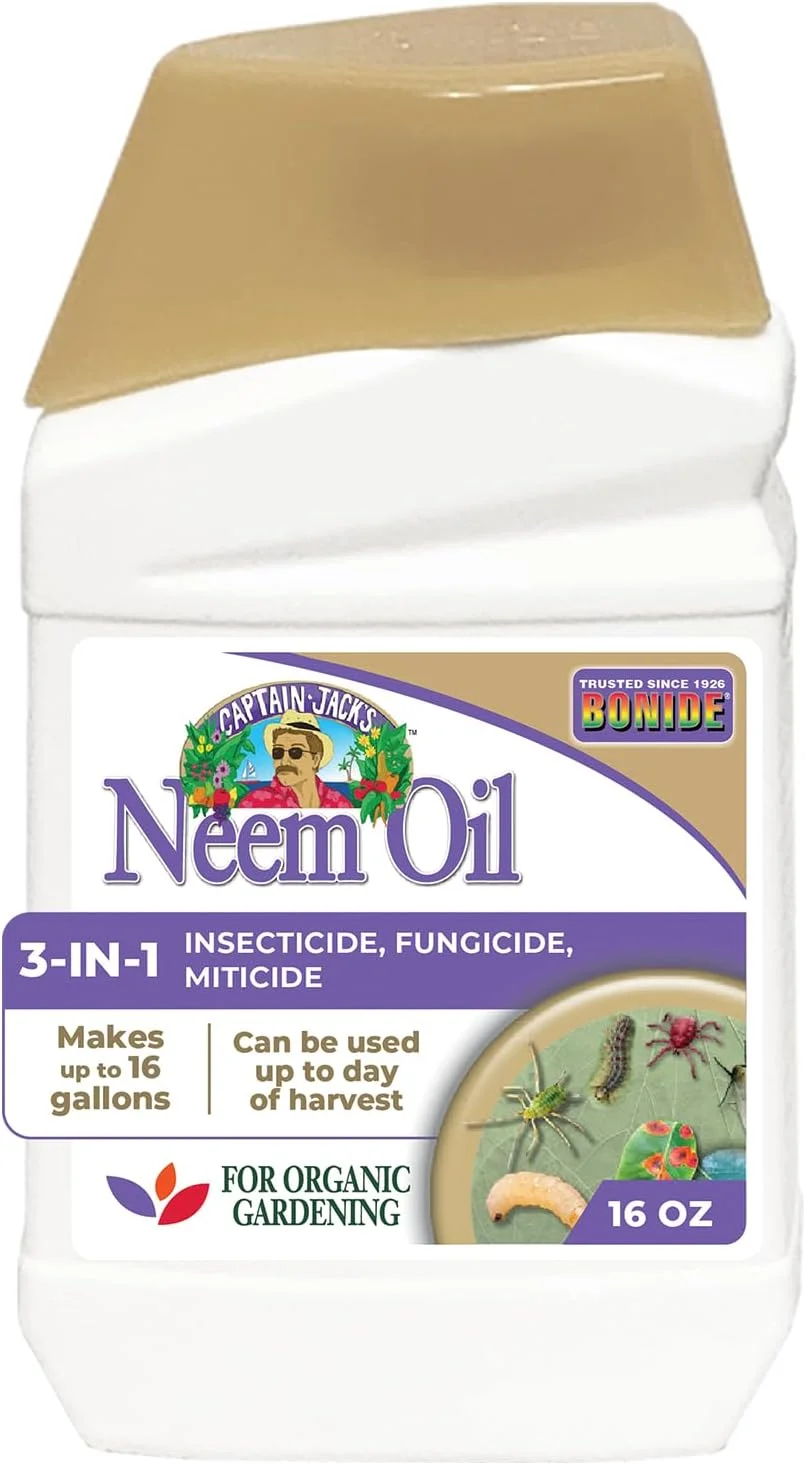
Identify the pest before buying. Match the exact product label to the pest, indoor plant, application site and any edible crop. Organic branding, an OMRI…
Read the guideCare guide
No. Separate a suspicious plant and record symptoms, but visual patterns alone cannot confirm a virus. Seek a plant diagnostic service when the result…
Read the guideCare guide
Separate the plant, avoid splashing foliage and record how lesions change. Spots and yellow halos alone do not identify a bacterium. A plant clinic can…
Read the guideCare guide
Inspect the coating and the rest of the plant before selecting a treatment. Separate a suspicious plant, record the pattern and improve appropriate…
Read the guideCare guide
Inspect the actual roots and crown, separating firm living tissue from soft deteriorating tissue. Correct standing water and unsuitable drainage, and keep…
Read the guideCare guide
No. Light, roots, moisture, pests and chemical damage can resemble infection. Isolate a suspicious plant, document the pattern and check recent changes…
Read the guideCare guide
Aphids, thrips and whiteflies leave different clues. Inspect new growth, flower folds and leaf undersides, then separate the affected plant. Sticky cards…
Read the guideCare guide
Confirm small flies are fungus gnats. Sticky cards monitor adults; they do not remove larvae from the mix. Correct standing water and overly wet…
Read the guideCare guide
Separate the plant and inspect with magnification. Note whether you see cottony insects, soft scale or armored scale; treatment needs differ. Remove…
Read the guideCare guide
Isolate the affected plant. Inspect leaf undersides with magnification and tap foliage over white paper to look for moving mites. Wash susceptible foliage…
Read the guideCare guide
Isolate the plant and identify the pest, including its life stage and location. Start with appropriate physical removal and improved growing conditions.…
Read the guideCare guide
Start with what you can verify: root-zone moisture, drainage, recent changes and a close inspection of leaves and stems. Similar symptoms can have…
Read the guide